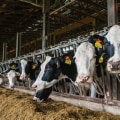
Dairy farming is a vital component of the agricultural industry, providing milk and dairy products that are staples in many diets around the world. However, the treatment of cows on dairy farms often comes under scrutiny, leading to a myriad of misconceptions that can cloud public perception. Many people envision large-scale operations where cows are treated poorly, confined in cramped spaces, and subjected to harsh conditions. This portrayal, while rooted in some realities of industrial farming, does not reflect the full spectrum of practices employed across the dairy industry. In reality, many dairy farmers are committed to the welfare of their animals and adhere to strict guidelines designed to ensure humane treatment.
These farmers understand that healthy, well-cared-for cows produce better quality milk. The relationship between cow treatment and dairy production is complex and often misunderstood. For instance, misconceptions may arise from outdated practices or sensationalized media reports that do not accurately represent modern dairy farming. As we delve deeper into this topic, it is essential to separate fact from fiction regarding cow treatment on dairy farms. By exploring common myths and the realities behind them, we can foster a more informed discussion about the ethical considerations and practices in dairy farming today.
Understanding these nuances not only helps consumers make educated choices but also supports farmers who prioritize animal welfare in their operations.
Misconception 1: Cows Are Always Confined in Small Spaces
One of the most prevalent misconceptions about dairy farming is that cows are always confined in small, cramped spaces. This stereotype often stems from outdated practices and a lack of understanding of modern dairy operations. In reality, many dairy farms prioritize the welfare of their animals and implement various systems that allow for more space and freedom.Many dairy farms utilize pasture-based systems, where cows are allowed to graze on open fields. This not only provides them with ample space to move around but also contributes to their overall health and well-being.Grazing allows cows to engage in natural behaviors, such as foraging and socializing, which are essential for their mental and physical health.In addition to pasture-based systems, some farms employ freestall barns, which offer cows the ability to move freely within a designated area. These barns are designed with individual stalls that provide comfort while allowing cows to stand, lie down, and socialize with one another. This setup contrasts sharply with the image of cows being tightly packed in small pens.Furthermore, animal welfare standards have evolved significantly over the years. Many dairy farmers adhere to strict guidelines that ensure their cows have adequate space, access to clean water, and proper nutrition.
Organizations such as the National Dairy FARM Program promote best practices in animal care, emphasizing the importance of providing a healthy environment for dairy cattle.It's also important to note that consumer demand is driving changes in dairy farming. As awareness of animal welfare issues grows, more farms are adopting practices that prioritize the well-being of their cows. This shift not only benefits the animals but also enhances the quality of milk produced.In conclusion, while some dairy farms may still use confinement methods, many modern operations focus on providing spacious environments that support cow welfare. Understanding these practices can help dispel the myth that all dairy farms confine their cows in small spaces.
Misconception 2: Dairy Cows Are Not Well-Cared For
One of the most prevalent misconceptions about dairy farming is that dairy cows are not well-cared for.In reality, the care provided to these animals is a top priority for farmers who are committed to maintaining high standards of animal husbandry. Dairy farmers understand that healthy cows produce quality milk, and they invest significant resources into ensuring the well-being of their herds.
Veterinary care
is a cornerstone of cow health management on dairy farms. Regular check-ups and vaccinations are standard practices to prevent diseases and ensure that cows remain healthy throughout their productive lives. Farmers often work closely with veterinarians to develop health management plans tailored to the specific needs of their herds.Nutrition also plays a critical role in the care of dairy cows.Farmers provide balanced diets that include a mix of forages, grains, and supplements to meet the nutritional requirements of their cows. This careful attention to dairy cow health not only supports milk production but also enhances the overall quality of life for the animals.Moreover, many dairy farms implement animal welfare programs that adhere to strict guidelines and certifications. These programs often include measures for proper housing, access to pasture, and social interaction among cows, which are essential for their mental and physical well-being.In conclusion, the notion that dairy cows are not well-cared for is a misconception that overlooks the dedication and hard work of dairy farmers. By prioritizing veterinary care, nutrition, and overall animal welfare, farmers ensure that their cows lead healthy and productive lives.
Misconception 3: Dairy Farming Is Harmful to Cow Health
One of the most prevalent misconceptions about dairy farming is that it is inherently harmful to cow health.While it is true that cows can experience health issues, modern dairy farming practices are designed to prioritize their well-being and mitigate potential health risks.Many people associate dairy farming with negative health impacts due to outdated practices or sensationalized media portrayals. However, advancements in veterinary care, nutrition, and farm management have significantly improved the health of dairy cows. Here are some key points to consider:
- Veterinary Care: Regular veterinary check-ups and vaccinations are standard in modern dairy operations. Farmers work closely with veterinarians to monitor the health of their herds and address any issues promptly.
- Nutritional Management: Dairy cows require a balanced diet to maintain their health and productivity.
Farmers invest in high-quality feed and supplements tailored to the specific needs of their cows, ensuring they receive essential nutrients.
- Comfortable Living Conditions: Many dairy farms have adopted practices that enhance cow comfort, such as providing spacious barns, comfortable bedding, and access to pasture. These conditions help reduce stress and promote overall health.
- Focus on Prevention: Modern dairy farming emphasizes preventive measures, such as regular hoof trimming and monitoring for signs of illness. This proactive approach helps catch potential health issues before they become serious.
The key difference lies in how farmers manage these issues. With proper care and management practices, the incidence of such health problems can be minimized.In conclusion, while there are challenges associated with dairy cow treatment, the notion that dairy farming is harmful to cow health is a misconception. Through responsible practices and a commitment to animal welfare, modern dairy farmers strive to ensure the health and well-being of their cows.
Misconception 4: All Dairy Farms Use Hormones and Antibiotics Excessively
One of the most prevalent misconceptions about dairy farming is the belief that all dairy farms excessively use hormones and antibiotics in their cattle. While it is true that some farmers may use these substances, the reality is much more nuanced and regulated.Regulations on Hormones and Antibiotics
- The use of hormones in dairy farming is strictly regulated by the U.S.
Food and Drug Administration (FDA). Only specific hormones, such as rBST (recombinant bovine somatotropin), are approved for use, and even then, farmers must adhere to strict guidelines regarding dosage and administration.
- Antibiotics are also subject to rigorous regulations. Farmers are required to follow a withdrawal period, which is the time that must pass after administering antibiotics before the cow's milk can be sold. This ensures that any residues are cleared from the animal's system, maintaining milk safety.
Responsible Management Practices
Responsible dairy farmers prioritize the health of their cows and the quality of their products.
They implement preventive health measures, such as proper nutrition, regular veterinary care, and good living conditions, to minimize the need for antibiotics. This proactive approach not only supports animal welfare but also reduces reliance on medications.
Consumer Awareness
Many consumers are concerned about what goes into their food. As a result, dairy farms are increasingly transparent about their practices. Labels such as “antibiotic-free” or “hormone-free” are becoming more common, reflecting a commitment to responsible farming practices.
It’s essential for consumers to understand that not all dairy farms operate under the same standards, and many prioritize health and safety above all else.In conclusion, while hormones and antibiotics may be part of some dairy farming practices, they are used judiciously and under strict regulations designed to protect both animal welfare and consumer health.
Misconception 5: Dairy Cows Are Constantly Pregnant or Lactating
One of the most prevalent misconceptions about dairy farming is the belief that dairy cows are constantly pregnant or lactating. In reality, the reproductive and lactation cycles of dairy cows are carefully managed to promote their health and productivity.Dairy cows typically have a lactation cycle that lasts about 305 days, during which they produce milk. After this period, they enter a dry period of approximately 60 days before giving birth again. This cycle is essential for maintaining the cow's health and ensuring that she has adequate time to recover and prepare for her next lactation.Understanding Cow Reproduction
- Breeding Practices: Farmers use artificial insemination or natural breeding methods to ensure that cows become pregnant at the right time, usually within 60 days after calving.
- Gestation Period: The gestation period for cows is about nine months, similar to humans.
This means that a cow will not be in milk production continuously.
- Lactation Management: Farmers monitor milk production closely and adjust feeding and care based on the cow's stage in her lactation cycle.
The Role of Technology in Modern Dairy Farming Practices
In recent years, the integration of technology in dairy farming has revolutionized the way farmers manage their herds and improve overall farm efficiency.These advancements not only streamline operations but also significantly enhance the welfare of cows, addressing some common misconceptions about their treatment on dairy farms.One of the most impactful innovations is the use of automated milking systems. These systems allow cows to be milked on their own schedule, reducing stress and improving their comfort. Cows can choose when to enter the milking station, which aligns with their natural behaviors and leads to a more positive experience.Additionally, precision agriculture technologies are being employed to monitor cow health and productivity. Wearable devices track vital signs and activity levels, enabling farmers to detect health issues early.
This proactive approach not only ensures better treatment for the animals but also minimizes the use of antibiotics, promoting a healthier herd.
Data analytics
plays a crucial role in modern dairy farming as well. By analyzing data collected from various sources, farmers can make informed decisions regarding feed management, breeding practices, and overall herd health. This data-driven approach helps optimize resources and enhances animal welfare by ensuring that cows receive the best possible care tailored to their individual needs.Furthermore, advancements in environmental control systems within barns contribute significantly to cow comfort. Technologies that regulate temperature, humidity, and ventilation create a more pleasant living environment for cows, reducing stress and promoting better milk production.In conclusion, the role of technology in modern dairy farming is pivotal in improving both farm efficiency and animal welfare.
By embracing these innovations, dairy farmers are not only dispelling myths about cow treatment but also paving the way for a more sustainable and humane industry.
Frequently Asked Questions About Dairy Farming and Cow Treatment
Understanding the treatment of cows on dairy farms is essential for consumers who want to make informed choices about their food sources. Here are some frequently asked questions that address common misconceptions:What is the living environment like for dairy cows?
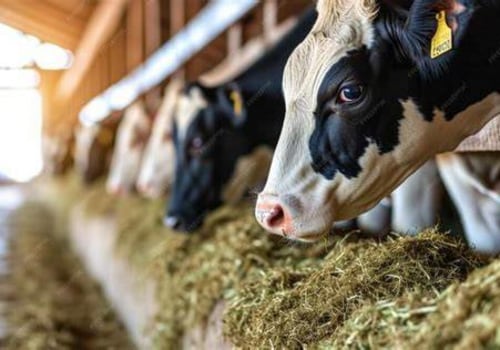
Dairy cows are typically housed in clean, spacious environments that prioritize their health and comfort. Many farms utilize free-stall barns, allowing cows to move freely and choose where they want to rest. These barns are designed to provide adequate ventilation and protection from harsh weather conditions.Are dairy cows treated humanely?
Yes, reputable dairy farms adhere to strict animal welfare standards. Cows receive regular veterinary care, proper nutrition, and are monitored for signs of distress. Farmers are trained to recognize the needs of their animals and ensure they are met.Do dairy cows experience pain during milking?
The milking process is designed to be as gentle and efficient as possible.Modern milking machines are specifically engineered to mimic a calf's natural suckling action, minimizing discomfort. Additionally, farmers are trained to handle cows with care to reduce stress during milking.
What happens to dairy cows when they can no longer produce milk?
Cows have a productive lifespan of about 4-6 years in a dairy setting. Once they reach the end of their productive life, many farmers choose to retire them on the farm or find them suitable homes.Unfortunately, some may be sent to slaughter, but this is often a last resort.
How do dairy farms ensure cow health?
- Nutritional management: Cows receive balanced diets tailored to their specific needs.
- Regular health checks: Farmers conduct routine veterinary visits and monitor for any signs of illness.
- Stress reduction: Practices such as low-stress handling techniques help maintain cow well-being.
Conclusion: Understanding the Truth About Dairy Farming
In conclusion, understanding the realities of dairy farming is essential for dispelling the numerous misconceptions that surround it. Throughout this article, we have explored various myths regarding the treatment of cows on dairy farms, emphasizing the importance of informed perspectives. One of the most prevalent misconceptions is that dairy cows are treated poorly and live in inhumane conditions. In reality, many dairy farmers prioritize the health and well-being of their animals, implementing practices that ensure their comfort and productivity.This includes providing adequate space, proper nutrition, and veterinary care. Additionally, the notion that dairy farming is solely about profit overlooks the deep-rooted commitment many farmers have to sustainable practices. Many dairy farms are adopting innovative methods to reduce their environmental impact while maintaining high standards of animal welfare. Furthermore, it is crucial to recognize that not all dairy farms operate under the same conditions. There are significant differences between large-scale operations and smaller family-run farms. Understanding these distinctions can help consumers make more informed choices about the products they support. Ultimately, fostering a dialogue about dairy farming can lead to greater awareness and appreciation for the hard work that goes into producing milk and dairy products.
By addressing misconceptions and highlighting the positive aspects of dairy farming, we can cultivate a more balanced view that respects both animal welfare and agricultural practices. As consumers, it is our responsibility to seek out credible information and support practices that align with our values. By doing so, we contribute to a more sustainable future for both dairy farmers and their cows.