In the world of dairy farming, safety is not just a regulatory requirement; it is a fundamental aspect that ensures the well-being of both workers and animals. The nature of dairy operations involves various risks, from handling large machinery to managing livestock, which can pose significant hazards if not addressed properly. Understanding dairy farming safety is crucial for creating a secure environment that promotes productivity and minimizes accidents. Implementing effective safety measures on a dairy farm is essential for several reasons. First and foremost, it protects the health and safety of farm workers who are exposed to potentially dangerous situations daily.
Injuries can lead to lost workdays, increased insurance costs, and even legal liabilities. Furthermore, ensuring the safety of animals is equally important; healthy animals contribute to better milk production and overall farm efficiency. A safe working environment fosters a culture of responsibility and care, which ultimately enhances the quality of life for everyone involved in the dairy farming operation. Moreover, prioritizing safety can lead to improved operational efficiency. When workers feel safe and secure in their environment, they are more likely to perform their tasks effectively and with greater focus.
This not only boosts morale but also contributes to higher productivity levels on the farm. As we delve deeper into the specific safety precautions taken on dairy farms, it becomes clear that these practices are integral to the success and sustainability of dairy farming as a whole.
Personal Protective Equipment (PPE) for Dairy Farmers
In the demanding environment of dairy farming, the use of Personal Protective Equipment (PPE) is crucial for ensuring the safety and health of farmers. The nature of dairy operations exposes workers to various hazards, including chemicals, heavy machinery, and biological agents. Therefore, equipping oneself with the right PPE can significantly reduce the risk of injuries and illnesses.- Gloves: Dairy farmers often handle chemicals, animal waste, and other potentially hazardous materials.
Wearing durable gloves protects the skin from cuts, abrasions, and chemical exposure. Nitrile or rubber gloves are commonly recommended for their resistance to punctures and chemicals.
- Boots: Proper footwear is essential on a dairy farm. Waterproof boots with slip-resistant soles help prevent slips and falls while keeping feet dry from manure and water. Steel-toed boots provide additional protection against heavy objects that may fall or roll.
- Masks: Exposure to dust, mold, and harmful gases is a common concern in dairy farming.
Wearing masks or respirators can help filter out these harmful particles, reducing the risk of respiratory issues. It is important to choose masks that are appropriate for the specific hazards present on the farm.
- Goggles: Protecting the eyes is vital when working with chemicals or during activities that may produce flying debris. Safety goggles provide a barrier against splashes and particles, ensuring that vision remains clear and unharmed.
By prioritizing safety through the use of appropriate PPE, dairy farmers can create a safer working environment that promotes both health and productivity.
Safe Handling of Dairy Animals
Ensuring the safety of dairy animals is paramount on a dairy farm, not only for the well-being of the livestock but also for the safety of farm workers. Proper handling techniques can significantly reduce the risk of accidents and injuries.Understanding Animal Behavior
- Before approaching any dairy animal, it is crucial to understand their behavior. Cows, for instance, are herd animals and may become agitated if separated from their group.
- Recognizing signs of stress or discomfort in animals can help prevent dangerous situations. Look for signs such as vocalizations, tail swishing, or aggressive postures.
- Always approach dairy animals calmly and quietly.
Sudden movements or loud noises can startle them.
- Use proper equipment, such as halters and ropes, designed specifically for handling dairy cattle. This equipment should be checked regularly for wear and tear.
- When moving animals, use a low-stress method. This includes moving them in groups rather than individually and using gentle nudges rather than forceful pushes.
- Wear appropriate clothing and footwear to protect against potential injuries. Sturdy boots and gloves can provide necessary protection when handling large animals.
- Ensure that all workers are trained in safe handling practices.
Regular training sessions can reinforce these practices and keep safety at the forefront of daily operations.
- Have a plan in place for emergencies involving dairy animals. This includes knowing how to handle an animal that is injured or sick and having access to veterinary care.
- Keep first aid kits readily available and ensure that all workers know their locations and how to use the supplies within them.
Equipment Safety and Maintenance
Ensuring equipment safety and proper maintenance is crucial on a dairy farm. The machinery used in dairy farming, from milking machines to feed mixers, plays a vital role in daily operations. Regular maintenance not only extends the lifespan of this equipment but also minimizes the risk of accidents that can lead to injuries or costly downtimes.Regular Inspections
- Conduct routine inspections of all machinery to identify any signs of wear and tear.
- Check for loose bolts, frayed wires, and leaks in hydraulic systems.
- Ensure that safety guards and shields are in place and functioning properly.
Operator Training
- Provide comprehensive training for all operators on the safe use of equipment.
- Emphasize the importance of following manufacturer guidelines and safety protocols.
- Encourage operators to report any malfunctions or safety concerns immediately.
Maintenance Schedules
- Create a detailed maintenance schedule for each piece of equipment, outlining specific tasks and timelines.
- Include regular lubrication, filter changes, and parts replacements as part of the routine.
- Document all maintenance activities to track performance and identify recurring issues.
Emergency Preparedness
- Equip the farm with emergency shut-off switches for all major machinery.
- Ensure that first aid kits are readily available and that staff are trained in basic first aid procedures.
- Conduct regular safety drills to prepare for potential equipment failures or accidents.
This proactive approach not only protects workers but also ensures that the farm operates efficiently, ultimately contributing to the overall success of the dairy operation.
Chemical Safety in Dairy Farming
In the realm of dairy farming, the use of chemicals is essential for maintaining herd health and ensuring the cleanliness of facilities. However, improper handling and storage of these substances can pose significant risks to both workers and the environment. Therefore, implementing stringent chemical safety protocols is crucial.Safe Handling Practices
- Training: All employees should receive comprehensive training on the proper handling of chemicals, including reading labels and understanding Material Safety Data Sheets (MSDS).
- Personal Protective Equipment (PPE): Workers must wear appropriate PPE such as gloves, goggles, and masks when handling chemicals to minimize exposure.
- Proper Mixing: Chemicals should be mixed in well-ventilated areas to prevent inhalation of harmful fumes.
Storage Guidelines
- Designated Areas: Chemicals should be stored in a designated area that is secure and away from livestock and feed to prevent contamination.
- Labeling: All chemical containers must be clearly labeled with their contents, hazards, and expiration dates to ensure safe usage.
- Spill Kits: Farms should have spill kits readily available to address any accidental releases quickly and effectively.
Environmental Considerations
- Pesticide Management: Implementing integrated pest management (IPM) strategies can reduce reliance on chemical pesticides, thereby minimizing environmental impact.
- Disposal Procedures: Follow local regulations for the disposal of chemical waste to prevent soil and water contamination.
Emergency Preparedness on Dairy Farms
Emergency preparedness is a critical aspect of dairy farming that ensures the safety of both livestock and farm personnel.Developing a comprehensive emergency plan can mitigate risks associated with natural disasters, equipment failures, and health emergencies.
Creating an Emergency Plan
- Assess Risks: Begin by identifying potential hazards specific to your dairy farm, such as severe weather events, fire hazards, or biosecurity threats.
- Develop Protocols: Establish clear protocols for each identified risk. For instance, create evacuation routes for severe weather and procedures for handling animal health emergencies.
- Emergency Contacts: Maintain an updated list of emergency contacts, including local veterinarians, fire departments, and nearby farms. Ensure this list is easily accessible to all staff members.
Training Staff
- Regular Training Sessions: Conduct regular training sessions to familiarize staff with emergency procedures. This should include drills for fire evacuations and first aid training.
- Assign Roles: Designate specific roles to staff members during emergencies.
This ensures that everyone knows their responsibilities and can act quickly in a crisis.
Review and Update the Plan
An emergency preparedness plan is not static; it should be reviewed and updated regularly. After any incident or drill, gather feedback from staff to identify areas for improvement. Additionally, stay informed about new safety regulations and best practices in dairy farming.By prioritizing emergency preparedness, dairy farmers can protect their animals, employees, and property while ensuring a swift response to any unforeseen events.
Training and Education for Dairy Farm Workers
Ensuring the safety of workers on a dairy farm is paramount, and this begins with comprehensive training and education. Regular training sessions equip workers with the knowledge they need to navigate the unique challenges of dairy farming safely.Importance of Training
- Understanding Equipment: Workers must be trained on the proper use of machinery such as milking machines, tractors, and feed mixers.
This reduces the risk of accidents and injuries.
- Animal Handling: Proper techniques for handling livestock are crucial. Training helps workers recognize animal behavior, which can prevent injuries to both the animals and the workers.
- Emergency Procedures: Workers should be familiar with emergency protocols, including first aid procedures and evacuation plans in case of accidents or natural disasters.
Ongoing Education
The landscape of dairy farming is constantly evolving, with new technologies and practices emerging regularly. Ongoing education ensures that workers stay updated on:
- Safety Protocols: Regular updates on safety regulations and best practices help maintain a safe working environment.
- Sustainability Practices: Educating workers about sustainable farming practices not only enhances safety but also promotes environmental stewardship.
- Health and Nutrition: Understanding animal health and nutrition contributes to better herd management, which is essential for both productivity and safety.
Common Safety Hazards on Dairy Farms
Dairy farming presents a unique set of safety hazards that can pose risks to both workers and livestock.Understanding these hazards is crucial for implementing effective safety measures. Here are some common risks associated with dairy farms:
- Animal Handling: Cattle can be unpredictable, and improper handling can lead to injuries. Workers should be trained in safe animal handling techniques to minimize the risk of kicks or bites.
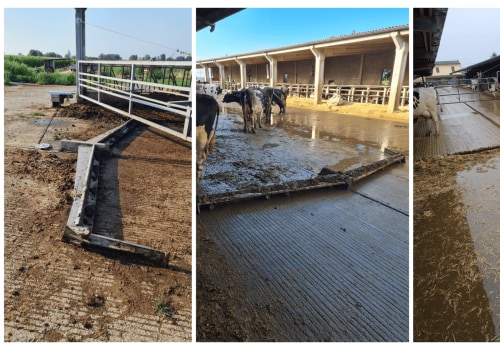
- Slips, Trips, and Falls: The presence of water, manure, and feed can create slippery surfaces. Regular maintenance and proper drainage systems are essential to reduce these hazards.
- Machinery Accidents: Dairy farms utilize various machinery, from milking machines to tractors.
Operators must be trained and follow safety protocols to prevent accidents.
- Chemical Exposure: Pesticides and cleaning agents are often used on dairy farms. Proper storage, labeling, and training on handling these chemicals are vital to prevent exposure.
- Noise Hazards: Prolonged exposure to loud machinery can lead to hearing loss. Workers should use hearing protection when operating or working near noisy equipment.
- Regular Safety Audits: Conducting routine inspections can help identify potential hazards before they lead to accidents.
- Personal Protective Equipment (PPE): Providing appropriate PPE such as gloves, boots, and ear protection is essential for worker safety.
- Emergency Preparedness: Establishing clear emergency procedures and ensuring all workers are familiar with them can save lives in critical situations.
FAQs About Dairy Farming Safety Precautions
When it comes to dairy farming, safety is a top priority for both workers and animals. Here are some frequently asked questions regarding safety precautions on dairy farms:What are the most common safety hazards on a dairy farm?
Dairy farms present various safety hazards, including:- Animal-related injuries: Cows can be unpredictable, and improper handling can lead to injuries.
- Equipment accidents: Machinery such as tractors and milking machines can pose risks if not used correctly.
- Slips and falls: Wet and uneven surfaces in barns and milking areas can lead to accidents.
- Chemical exposure: Pesticides and cleaning agents must be handled with care to avoid health risks.
How can dairy farmers ensure worker safety?
Dairy farmers can implement several strategies to enhance worker safety:- Training programs: Regular training on equipment use, animal handling, and emergency procedures is essential.
- Personal protective equipment (PPE): Providing gloves, boots, and masks helps protect workers from hazards.
- Clear signage: Posting safety signs in high-risk areas reminds workers of potential dangers.
- Regular maintenance: Keeping equipment in good working order reduces the risk of accidents.
What should be done in case of an emergency?
In the event of an emergency on a dairy farm, it is crucial to have a plan in place:- Emergency contacts: Maintain a list of emergency numbers readily available for all workers.
- First aid kits: Ensure that first aid kits are stocked and accessible throughout the farm.
- Evacuation routes: Clearly mark evacuation routes and conduct regular drills to prepare for emergencies.
Conclusion: Prioritizing Safety in Dairy Farming Practices
In conclusion, prioritizing safety in dairy farming is not just a regulatory requirement but a fundamental aspect of ensuring the well-being of both workers and livestock.Throughout this article, we have explored various safety precautions that are essential for maintaining a secure working environment on dairy farms.Implementing comprehensive safety measures can significantly reduce the risk of accidents and injuries. Key practices include:
- Regular training for all employees on safety protocols and emergency procedures.
- Utilization of personal protective equipment (PPE), such as gloves, masks, and boots, to minimize exposure to hazardous materials.
- Routine maintenance of equipment and machinery to prevent malfunctions that could lead to accidents.
- Establishing clear communication channels for reporting hazards or unsafe conditions promptly.
- Implementing biosecurity measures to protect both animals and workers from disease outbreaks.