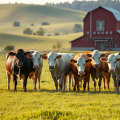
In the realm of dairy farming, the health and well-being of cows are paramount. Healthy cows not only produce high-quality milk but also contribute to the sustainability and profitability of dairy operations. The intricate relationship between cow health and dairy production underscores the necessity for farmers to prioritize their animals' welfare. When cows are healthy, they exhibit better reproductive performance, increased milk yield, and improved overall longevity, which are essential factors for a successful dairy farm. Moreover, the practices implemented by dairy farmers to ensure cow well-being are diverse and multifaceted.
From providing balanced nutrition to maintaining clean living conditions, each aspect plays a critical role in promoting optimal health. Farmers often invest in regular veterinary care, vaccinations, and health monitoring systems to detect any issues early on. These proactive measures not only safeguard the cows' health but also enhance the quality of milk produced, meeting consumer demands for safe and nutritious dairy products. Understanding the importance of cow health in dairy farming is crucial for both farmers and consumers alike. As awareness grows regarding animal welfare, consumers increasingly seek products from farms that demonstrate a commitment to ethical practices.
This shift in consumer behavior further emphasizes the need for dairy farmers to adopt comprehensive health management strategies that prioritize cow well-being while ensuring sustainable production methods.
Nutritional Management for Dairy Cows
Proper dairy cow nutrition is essential for maintaining the health and productivity of dairy herds. Farmers implement various feeding practices to ensure that cows receive a balanced diet that meets their specific needs. This involves careful consideration of the nutritional components required for optimal milk production, growth, and overall well-being.A typical balanced diet for dairy cows includes:- Forages: High-quality forages such as alfalfa and clover hay provide essential fiber, which aids in digestion and promotes rumen health.
- Concentrates: Grains like corn and barley are included to supply energy, especially during lactation when energy demands are high.
- Protein sources: Ingredients such as soybean meal or canola meal are added to meet protein requirements necessary for milk production and growth.
- Minerals and vitamins: Essential minerals like calcium, phosphorus, and magnesium, along with vitamins A, D, and E, are crucial for metabolic functions and overall health.
Regular monitoring of body condition scores helps farmers assess whether cows are receiving adequate nutrition.Additionally, dairy farming practices now incorporate technology such as feed management software and precision feeding systems. These tools allow farmers to analyze feed efficiency and make real-time adjustments to diets based on individual cow needs. By ensuring that each cow receives the right balance of nutrients, farmers can enhance milk yield while promoting the long-term health of their herds.In conclusion, effective nutritional management is a cornerstone of successful dairy farming. By prioritizing a balanced diet tailored to the unique requirements of dairy cows, farmers can significantly improve both animal welfare and farm productivity.
Veterinary Care and Health Monitoring
In the realm of dairy farming, ensuring the health and well-being of cows is paramount, and this is where veterinary care plays a crucial role.Regular veterinary check-ups are essential for early detection and prevention of diseases that can affect milk production and overall herd health.
Veterinary care for cows
encompasses a variety of practices, including vaccinations, routine health assessments, and treatment of illnesses. Veterinarians work closely with dairy farmers to develop a comprehensive health management plan tailored to the specific needs of the herd. This plan often includes:- Vaccination Programs: Vaccines are administered to prevent common diseases such as mastitis, bovine respiratory disease, and reproductive disorders.
- Regular Health Assessments: Routine check-ups allow for monitoring of vital signs, body condition scores, and overall health status.
- Nutritional Guidance: Veterinarians provide advice on proper nutrition to support immune function and milk production.
For instance, if multiple cows show signs of illness, it may indicate an underlying problem that needs addressing.
Cow diseases
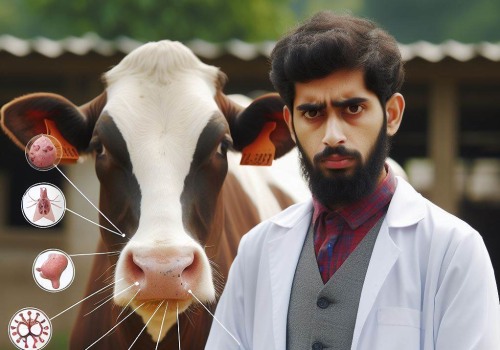
can significantly impact dairy operations, making it essential for farmers to be vigilant. Common ailments include:- Mastitis: An infection of the udder that can lead to decreased milk quality and yield.
- Lameness: Foot and leg problems that can hinder mobility and affect feeding.
- Bovine Respiratory Disease: A serious condition that can spread rapidly in herds.
Housing and Environment for Dairy Cows
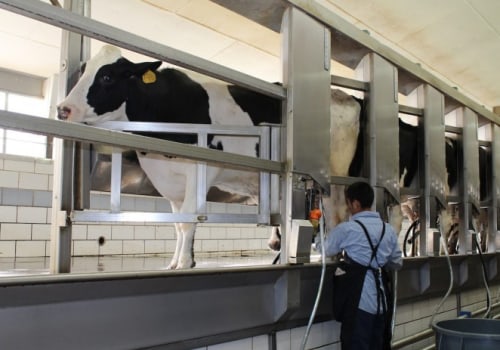
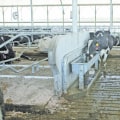
The housing conditions and overall environment of dairy cows play a crucial role in their health and well-being. A well-designed barn or shelter not only protects cows from harsh weather but also promotes their comfort, which is essential for optimal milk production.Modern dairy farms often utilize various housing systems, including:- Free-stall barns: These allow cows to move freely and choose where to lie down, promoting natural behaviors. The stalls are typically bedded with soft materials like sand or rubber mats to enhance comfort.
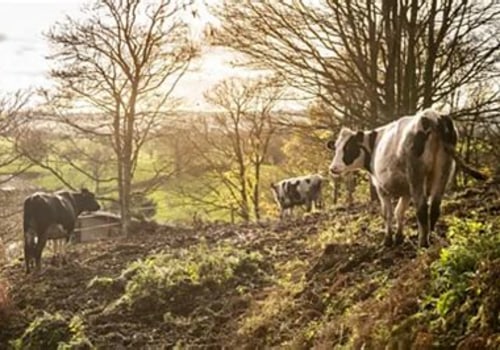
- Pasture-based systems: In these setups, cows have access to outdoor grazing areas, which can improve their mental health and provide a more natural living environment.
Access to pasture also encourages exercise, which is beneficial for their overall health.
- Dry lots: These are enclosed areas that provide shelter while allowing cows to roam freely. They are often used in regions where pasture is not feasible year-round.
Overcrowding can lead to stress and aggression among cows, which can adversely affect their health and milk production. Farmers typically follow guidelines that recommend a minimum space allowance per cow to ensure they can lie down comfortably and access food and water without competition.In summary, the housing and environment of dairy cows are fundamental aspects of dairy farming. By prioritizing cow comfort through thoughtful design and management practices, dairy farmers can significantly improve the health and productivity of their herds.
Stress Management in Dairy Cows
Stress in dairy cows can significantly impact their health, milk production, and overall well-being. Understanding the factors that contribute to stress is crucial for dairy farmers aiming to create a more comfortable environment for their herds. Common causes of stress in dairy cows include:- Environmental factors: Extreme temperatures, inadequate ventilation, and poor housing conditions can lead to discomfort and stress.
- Social dynamics: Cows are social animals, and disruptions in their social structure, such as introducing new animals or separating mothers from calves, can cause anxiety.
- Handling practices: Rough handling during milking or transportation can lead to fear and stress in cows.
- Improving housing conditions: Providing adequate space, proper bedding, and climate control helps create a more comfortable living environment for cows.
- Social management: Farmers often monitor herd dynamics closely to minimize disruptions.
Keeping familiar groups together can reduce stress levels.
- Gentle handling techniques: Training staff in low-stress handling methods ensures that cows feel safe during milking and other interactions.
Breeding Practices for Healthy Cows
Breeding practices play a crucial role in ensuring the health and productivity of dairy cows. By focusing on genetics, dairy farmers can enhance not only the milk yield but also the overall well-being of their herds.One of the primary goals in dairy farming is to select cows that exhibit desirable traits.This includes not only high milk production but also traits that contribute to better health and longevity. Farmers often utilize genetic testing to identify animals with superior genetics, allowing them to make informed breeding decisions.
Genetic Considerations in Dairy Cow Breeding
When selecting breeding stock, farmers consider several genetic factors:- Milk Production: Cows that have a history of high milk yield are often prioritized.
- Health Traits: Genetic predispositions to diseases such as mastitis or metabolic disorders are evaluated.
- Reproductive Performance: Fertility rates and calving ease are critical for maintaining herd productivity.
Improving Cow Health Through Breeding
The impact of genetics on cow health extends beyond individual animals. A well-bred herd can lead to:- Increased Longevity: Cows that are healthier tend to have longer productive lives, which is economically beneficial for farmers.
- Better Calf Health: Healthy mothers typically produce healthier calves, ensuring a robust future generation.
- Sustainable Practices: By reducing disease prevalence through genetic selection, farmers can adopt more sustainable farming practices.
By leveraging genetics, farmers can significantly enhance the health and productivity of their cows, leading to a more sustainable and profitable operation.
Sustainable Practices in Dairy Farming
Sustainable practices in dairy farming are essential not only for the environment but also for the health and well-being of dairy cows. By implementing eco-friendly practices, farmers can create a more balanced ecosystem that supports both animal welfare and agricultural productivity.One of the key components of sustainable dairy farming is nutritional management. Farmers focus on providing a balanced diet that meets the specific needs of their cows, which helps improve their overall health and milk production. This includes using locally sourced feed and minimizing the use of synthetic fertilizers and pesticides, thereby reducing the carbon footprint associated with feed production.Another important aspect is manure management.Instead of treating manure as waste, many dairy farmers utilize it as a valuable resource. By employing techniques such as composting or anaerobic digestion, farmers can convert manure into organic fertilizers or renewable energy, which not only benefits the farm but also reduces environmental pollution.
Pasture-based systems
are also gaining popularity in sustainable dairy farming. Allowing cows to graze on pasture not only promotes their natural behaviors but also enhances their physical health. Grazing improves soil health and biodiversity, leading to a more resilient farming system.Additionally, pasture-based systems can reduce the need for supplemental feed, further lowering the farm's ecological impact.Moreover, animal welfare is at the forefront of sustainable dairy practices. Farmers are increasingly adopting measures that ensure cows have access to comfortable living conditions, including proper ventilation, clean bedding, and ample space to move freely. Regular health checks and veterinary care are also prioritized to prevent illness and ensure that cows remain healthy throughout their lives.In conclusion, sustainable practices in dairy farming not only contribute to environmental conservation but also enhance the quality of life for dairy cows. By focusing on nutrition, manure management, pasture-based systems, and animal welfare, farmers can create a more sustainable future for both their operations and the planet.
FAQs About Cow Health in Dairy Farming
In the realm of dairy farming, ensuring the health and well-being of cows is paramount.Here are some frequently asked questions that shed light on this critical aspect:
What are the common health issues faced by dairy cows?
Dairy cows can experience a range of health issues, including:- Mastitis: An infection of the udder that can affect milk production.
- Lameness: Often caused by poor hoof care or housing conditions.
- Nutritional deficiencies: Can lead to various metabolic disorders.
- Reproductive issues: Such as infertility or calving difficulties.
How do dairy farmers monitor cow health?
Dairy farmers utilize several methods to monitor the health of their cows:- Regular veterinary check-ups: Ensuring vaccinations and health assessments are up to date.
- Observation: Farmers closely observe behavior and physical condition for any signs of illness.
- Technology: Many farms use sensors and software to track cow activity, feeding patterns, and milk production.
What role does nutrition play in cow health?
Nutrition is a cornerstone of cow health in dairy farming. A balanced diet helps:- Maintain optimal body condition.
- Support milk production and quality.
- Enhance reproductive performance.
How do farmers ensure a stress-free environment for cows?
A stress-free environment is crucial for cow well-being. Farmers implement practices such as:- Comfortable housing: Providing adequate space, ventilation, and bedding.
- Gentle handling: Reducing stress during milking and veterinary procedures.
- Social interaction: Allowing cows to interact with their herd mates, which is vital for their mental health.
Conclusion: The Future of Cow Health in Dairy Farming
As we look towards the future of dairy farming, it is clear that the health and well-being of cows will remain a top priority for farmers and the industry as a whole. The advancements in technology, veterinary care, and sustainable practices are paving the way for a more humane and efficient approach to dairy production.One of the most significant trends is the integration of precision agriculture techniques.By utilizing data analytics and monitoring systems, farmers can track individual cow health metrics, such as milk production, feed intake, and behavioral patterns. This data-driven approach allows for timely interventions and personalized care, ensuring that each cow receives the attention it needs.Moreover, there is a growing emphasis on sustainable practices that not only enhance cow health but also benefit the environment. Practices such as rotational grazing, improved waste management, and organic feed sourcing contribute to healthier cows and a reduced ecological footprint. As consumers increasingly demand transparency and sustainability in food production, dairy farmers are adapting to meet these expectations.Furthermore, ongoing research into animal welfare continues to inform best practices in dairy farming.
Innovations in housing design, nutrition, and healthcare are being developed to create environments that promote both physical and mental well-being for cows. For instance, providing comfortable bedding and adequate space can significantly reduce stress levels among dairy herds.In conclusion, the future of cow health in dairy farming is bright, driven by innovation and a commitment to animal welfare. As farmers embrace new technologies and sustainable practices, they not only enhance the quality of life for their cows but also ensure the long-term viability of the dairy industry. By prioritizing cow health today, we are setting the stage for a more responsible and productive tomorrow.