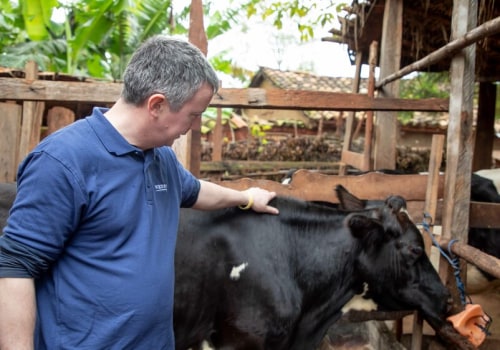
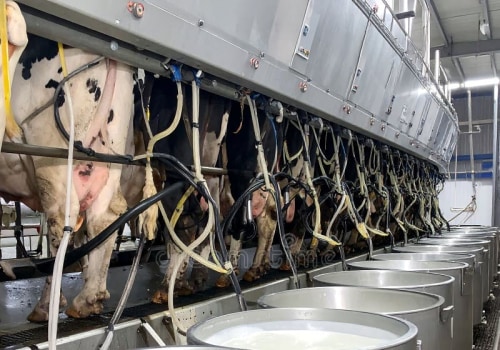
Dairy farming is a vital component of the agricultural sector, providing essential products such as milk, cheese, and yogurt that are staples in diets around the world. However, the success of any dairy operation hinges significantly on the health of the cows.
Cow health
is not just a matter of animal welfare; it directly impacts milk production, quality, and overall farm profitability. Healthy cows are more productive, produce higher-quality milk, and contribute to a sustainable farming environment. Maintaining optimal cow health requires a comprehensive understanding of the various factors that can affect it, including nutrition, housing, and veterinary care.Unfortunately, dairy cows are susceptible to a range of diseases that can hinder their well-being and productivity. From metabolic disorders to infectious diseases, these health issues can lead to significant economic losses for farmers if not managed effectively. As we delve deeper into the common diseases that affect dairy cows, it becomes clear that proactive health management is essential for any dairy farming operation. By recognizing the signs of illness early and implementing preventive measures, farmers can ensure their herds remain healthy and productive. This not only benefits the cows but also supports the sustainability of dairy farming as a whole.
Overview of Common Diseases in Dairy Cows
Dairy farming is a vital part of the agricultural industry, but it comes with its own set of challenges, particularly concerning the health of dairy cows.Understanding the common diseases that affect these animals is crucial for maintaining herd health and ensuring optimal milk production.Several diseases can significantly impact dairy cows, leading to decreased productivity and increased veterinary costs. Here are some of the most prevalent health issues:
- Mastitis: This is one of the most common and costly diseases in dairy cows. Mastitis is an infection of the udder that can lead to reduced milk yield and quality. Early detection and treatment are essential to minimize its impact.
- Metritis: This condition involves inflammation of the uterus, often occurring after calving.
It can lead to reproductive issues and affect future milk production if not addressed promptly.
- Ketosis: A metabolic disorder that occurs when cows do not get enough energy in their diet, leading to elevated levels of ketones in the blood. This condition can result in decreased milk production and requires dietary adjustments for prevention.
- Lameness: Foot and leg problems are common in dairy cows, often caused by poor housing conditions or nutrition. Lameness can severely affect a cow's ability to move and feed, directly impacting milk output.
- Bovine Respiratory Disease (BRD): This complex disease affects the respiratory system and is often triggered by stress or environmental factors. BRD can lead to significant economic losses due to decreased growth rates and milk production.
By prioritizing dairy cow health, farmers can enhance productivity and ensure a sustainable dairy farming operation.
Bovine Mastitis: Causes, Symptoms, and Treatment
Bovine mastitis is a significant health issue in dairy farming, affecting the productivity and welfare of dairy cows. This inflammatory condition of the mammary gland can be caused by various factors, including bacterial infections, environmental stressors, and improper milking techniques.Causes of Bovine Mastitis
- Bacterial Infections: The most common cause of mastitis is bacterial pathogens such as Staphylococcus aureus, Streptococcus agalactiae, and Escherichia coli. These bacteria can enter the udder through damaged skin or during milking.
- Environmental Factors: Poor hygiene in the barn, wet bedding, and high-stress conditions can increase the risk of mastitis. Cows exposed to unsanitary conditions are more susceptible to infections.
- Milking Practices: Improper milking techniques, such as using dirty equipment or not following proper milking procedures, can lead to trauma and infection in the udder.
Symptoms of Mastitis
The symptoms of mastitis can vary depending on whether it is clinical or subclinical.Common signs include:
- Swelling and redness of the udder
- Pain or sensitivity when touched
- Changes in milk appearance, such as clots or a watery consistency
- Decreased milk production
- Fever and lethargy in severe cases
Treatment Options for Mastitis
Treating bovine mastitis effectively requires a combination of veterinary intervention and management practices:- Antibiotic Therapy: Veterinarians often prescribe antibiotics to combat bacterial infections. It is crucial to follow withdrawal times to ensure milk safety.
- Anti-inflammatory Medications: Non-steroidal anti-inflammatory drugs (NSAIDs) can help reduce pain and inflammation in affected cows.
- Improved Milking Practices: Ensuring proper milking techniques and maintaining clean equipment can significantly reduce the incidence of mastitis.
- Regular Monitoring: Routine checks for udder health can help identify early signs of mastitis, allowing for prompt treatment.
Lameness in Dairy Cows: Prevention and Management
Lameness in dairy cows is a significant concern for dairy farming operations, impacting both animal welfare and farm productivity. This condition can arise from various factors, including environmental conditions, nutrition, and management practices.Causes of Lameness
- Infectious Diseases: Conditions such as foot rot and digital dermatitis can lead to severe lameness.
- Mechanical Injuries: Slips and falls on wet or uneven surfaces can cause injuries to the hooves.
- Nutritional Deficiencies: A lack of essential nutrients can weaken hoof structure, making cows more susceptible to lameness.
- Genetic Factors: Some breeds may be more prone to hoof problems due to genetic predispositions.
Preventing Lameness
Effective prevention strategies are crucial for maintaining cow mobility.
Here are some key practices:
- Regular Hoof Trimming: Schedule routine hoof trimming to prevent overgrowth and maintain proper hoof shape.
- Proper Housing Conditions: Ensure that living environments are clean, dry, and well-drained to reduce the risk of infections.
- Nutritional Management: Provide a balanced diet rich in vitamins and minerals to support hoof health.
- Foot Baths: Implement foot baths with disinfectants to reduce the incidence of infectious diseases.
Managing Lameness
If lameness occurs, prompt management is essential. Consider the following approaches:
- Veterinary Consultation: Engage a veterinarian for diagnosis and treatment plans tailored to the specific condition.
- Pain Management: Use appropriate analgesics as prescribed by a veterinarian to alleviate discomfort.
- Isolation of Affected Cows: Separate lame cows from the herd to prevent further injury and allow for focused care.
- Monitoring Recovery: Keep track of recovery progress and adjust management practices as needed to ensure full rehabilitation.
Metritis: Understanding Postpartum Complications
Metritis is a significant postpartum complication that affects dairy cows, particularly in the days following calving. This condition is characterized by inflammation of the uterus and can severely impact the health and productivity of the herd.The primary causes of metritis include:- Retained placenta: When the placenta does not expel naturally after calving, it can lead to bacterial infection.
- Infection: Bacteria entering the uterus during or after calving can trigger metritis.
- Stress: Factors such as poor nutrition, inadequate housing, and high-stress environments can predispose cows to this condition.
- Foul-smelling vaginal discharge
- Fever and lethargy
- Decreased appetite and milk production
- Abdominal pain or discomfort
Therefore, early diagnosis and treatment are essential for maintaining herd health.Treatment options for metritis typically involve:
- Antibiotics: Administering appropriate antibiotics can help eliminate the infection.
- Anti-inflammatory medications: These can reduce inflammation and alleviate pain.
- Supportive care: Ensuring proper nutrition and hydration is vital for recovery.
Bovine Respiratory Disease: Risks and Solutions
Bovine Respiratory Disease (BRD) is a significant health concern in dairy farming, affecting the respiratory system of cattle and leading to severe economic losses. Understanding the risk factors and implementing effective prevention and treatment strategies is crucial for maintaining herd health.BRD is often triggered by a combination of environmental stressors and pathogens. Common risk factors include:- Stress: Factors such as weaning, transportation, and overcrowding can weaken the immune system.
- Weather Conditions: Extreme temperatures and humidity can exacerbate respiratory issues.
- Pathogen Exposure: Viruses like Bovine Viral Diarrhea (BVD) and bacteria such as Mannheimia haemolytica are common culprits.
- Coughing and nasal discharge
- Fever and lethargy
- Reduced appetite and weight loss
- Vaccination: Implement a comprehensive vaccination program to protect against common respiratory pathogens.
- Environmental Management: Ensure proper ventilation in barns and minimize stress during handling.
- Nutritional Support: Provide a balanced diet to strengthen the immune system of the cows.
Treatment options may include:
- Antibiotics: To combat bacterial infections associated with BRD.
- Anti-inflammatories: To reduce fever and inflammation in affected animals.
- Supportive Care: Ensuring hydration and nutrition during recovery.
Nutritional Deficiencies: Impact on Dairy Cow Health
Nutritional deficiencies in dairy cows can significantly impact their overall health and productivity. A balanced diet is crucial for maintaining optimal health, as it directly influences milk production, reproductive performance, and disease resistance.Common nutritional deficiencies include:- Calcium Deficiency: This can lead to milk fever, a condition that occurs around calving when the cow's calcium levels drop sharply. Symptoms include muscle weakness and a lack of coordination.
- Magnesium Deficiency: Often seen in lush pastures, this deficiency can cause grass tetany, characterized by muscle tremors and convulsions. It is vital for nerve function and muscle contraction.
- Vitamin A Deficiency: Essential for vision and immune function, a lack of vitamin A can lead to reproductive issues and increased susceptibility to infections.
- Vitamin D Deficiency: This vitamin plays a critical role in calcium metabolism.
Insufficient levels can exacerbate calcium deficiencies, leading to further health complications.
- Trace Minerals: Deficiencies in trace minerals such as zinc, copper, and selenium can impair immune function and reproductive performance. For instance, selenium deficiency is linked to white muscle disease in calves.
- Maximizing Milk Production: Cows with adequate nutrition produce more milk and have better milk quality.
- Enhancing Reproductive Health: Proper nutrition supports regular estrous cycles and successful pregnancies.
- Boosting Immune Function: A balanced diet helps cows resist diseases, reducing the need for veterinary interventions.
Preventive Health Measures for Dairy Cows
Implementing preventive health measures is crucial for maintaining the overall health of dairy cows and ensuring a productive dairy farming operation.By focusing on proactive strategies, farmers can significantly reduce the incidence of common diseases that affect their herds.
Regular Health Assessments
- Conduct routine veterinary check-ups to monitor the health status of each cow.
- Utilize herd health management software to track vaccinations, treatments, and health records.
- Perform regular body condition scoring to assess nutritional status and identify potential health issues early.
Nutritional Management
- Provide a balanced diet tailored to the specific needs of dairy cows, including adequate energy, protein, vitamins, and minerals.
- Ensure access to clean, fresh water at all times to promote hydration and overall health.
- Monitor feed quality and avoid moldy or contaminated feed that can lead to digestive disorders.
Biosecurity Practices
- Implement strict biosecurity measures to prevent the introduction of pathogens into the herd.
- Isolate new or sick animals from the main herd until they are confirmed healthy.
- Limit visitor access to barns and milking areas to reduce disease transmission risks.
Vaccination Programs
- Establish a comprehensive vaccination schedule based on veterinary recommendations to protect against prevalent diseases such as bovine respiratory disease, mastitis, and bovine viral diarrhea (BVD).
- Keep accurate records of vaccinations administered to ensure compliance and effectiveness.
Environmental Management
- Maintain clean and dry living conditions for cows to minimize stress and exposure to pathogens.
- Implement proper waste management practices to reduce the risk of disease spread through contaminated environments.
- Ensure adequate ventilation in barns to improve air quality and reduce respiratory issues.
FAQs About Dairy Cow Diseases
Understanding the health of dairy cows is crucial for successful dairy farming. Here are some frequently asked questions regarding diseases that can affect these animals:What are the most common diseases in dairy cows?
Dairy cows can be susceptible to a variety of diseases, including:- Mastitis: An infection of the udder that can lead to decreased milk production and quality.
- Milk Fever: A metabolic disorder caused by low calcium levels, often occurring around calving.
- Ketosis: A condition resulting from energy deficiency, leading to high levels of ketones in the blood.
- Brucellosis: A bacterial infection that can cause reproductive issues and is zoonotic, meaning it can affect humans.
- Bovine Respiratory Disease (BRD): A complex of respiratory infections that can be triggered by stress or environmental factors.
How can I prevent diseases in my dairy herd?
Preventive measures are essential for maintaining cow health and ensuring a productive dairy farming operation. Here are some strategies:- Regular veterinary check-ups: Routine health assessments can help catch diseases early.
- Vaccination programs: Keeping up with vaccinations can protect against common infectious diseases.
- Proper nutrition: Ensuring cows receive balanced diets helps strengthen their immune systems.
- Good hygiene practices: Maintaining clean living conditions reduces the risk of infections.
- Stress management: Minimizing stress through proper handling and housing can lower disease susceptibility.
What should I do if I suspect my cow is sick?
If you notice signs of illness in your dairy cow, such as decreased appetite, abnormal behavior, or changes in milk production, it’s important to:- Isolate the affected animal: This helps prevent the spread of potential infectious diseases.
- Contact a veterinarian: Professional assessment and treatment are crucial for recovery.
- Monitor the herd: Keep an eye on other cows for similar symptoms to catch any outbreaks early.
Conclusion: Ensuring Healthy Dairy Cows for Sustainable Farming
In conclusion, maintaining the health of dairy cows is paramount for the success of dairy farming.Throughout this article, we have explored various common diseases that can affect these animals, including mastitis, lameness, and metabolic disorders. Each of these conditions not only impacts the well-being of the cows but also has significant implications for milk production and overall farm profitability.Proactive health management is essential in preventing these diseases. Implementing regular veterinary check-ups, adhering to vaccination schedules, and ensuring proper nutrition are critical steps that farmers can take to safeguard their herds. Additionally, biosecurity measures should be prioritized to minimize the risk of disease transmission within and between farms.
- Mastitis: Regular monitoring of udder health and prompt treatment can reduce the incidence of this costly condition.
- Lameness: Providing proper hoof care and maintaining a clean living environment can help prevent lameness issues.
- Metabolic Disorders: Ensuring balanced diets tailored to the specific needs of dairy cows can mitigate risks associated with metabolic diseases.
By fostering a culture of health awareness and education among farm staff, dairy farmers can create an environment that prioritizes animal welfare.Ultimately, healthy dairy cows lead to sustainable farming practices that benefit not only the farmers but also consumers who rely on quality dairy products. By committing to comprehensive health management strategies, dairy farmers can ensure their operations remain viable and productive for years to come.