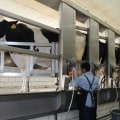
Dairy farming is more than just a means of producing milk; it is a vital part of the agricultural landscape that significantly impacts local communities. As dairy farmers work tirelessly to provide high-quality products, they also play a crucial role in fostering community engagement and support. The relationship between dairy farmers and their communities is often symbiotic, where both parties benefit from the shared commitment to sustainability, health, and economic growth. In many regions, dairy farmers are seen as pillars of their communities. They not only contribute to the local economy through job creation and the purchase of local goods but also engage in various initiatives that enhance community well-being.
From sponsoring local events to participating in educational programs about nutrition and agriculture, dairy farmers actively seek ways to give back. This engagement helps to bridge the gap between urban consumers and rural producers, fostering a greater understanding of where food comes from and the hard work that goes into its production. Moreover, dairy farming often emphasizes sustainable practices that benefit the environment and community health. Many farmers implement eco-friendly methods that reduce waste and promote biodiversity, which can lead to cleaner air and water for everyone. By prioritizing these practices, dairy farmers not only ensure the longevity of their farms but also contribute positively to the overall quality of life in their communities.
As we explore the various ways dairy farmers give back, it becomes clear that their contributions extend far beyond the farm gate, enriching lives and strengthening community ties.
Supporting Local Economies
Dairy farming plays a crucial role in supporting local economies, serving as a backbone for many rural communities. By creating jobs and stimulating economic activity, dairy farmers contribute significantly to the financial health of their regions.One of the primary ways dairy farmers impact the local economy is through job creation. Dairy farms require a diverse workforce, from farmhands to management positions, which helps reduce unemployment rates in rural areas. According to recent studies, each dairy farm can create multiple direct and indirect jobs, supporting not only farm operations but also related industries.In addition to providing employment, dairy farmers often purchase local supplies, which further stimulates the economy.This includes buying feed, equipment, and veterinary services from nearby businesses. By sourcing materials locally, dairy farmers help keep money circulating within their communities, fostering growth and sustainability.Moreover, dairy farmers frequently engage in partnerships with local businesses. For instance, they may collaborate with local restaurants and grocery stores to supply fresh dairy products. This not only enhances the visibility of local farms but also encourages consumers to support their community by choosing locally sourced products.Furthermore, many dairy farmers participate in community events and sponsorships, such as fairs and educational programs.
These initiatives not only promote the importance of dairy farming but also strengthen community ties and enhance the overall quality of life for residents.In summary, the economic impact of dairy farming extends far beyond the farm itself. Through job creation, local purchasing, and community engagement, dairy farmers play a vital role in nurturing and sustaining their local economies.
Educational Initiatives and Community Outreach
Dairy farmers play a crucial role in their communities, not only through their agricultural contributions but also by actively engaging in educational initiatives and community outreach. These efforts are designed to foster a deeper understanding of dairy farming and its significance in local economies and food systems.One of the primary ways dairy farmers give back is through agricultural education programs. Many farmers partner with local schools to provide hands-on learning experiences.These programs often include:
- Farm Tours: Students visit dairy farms to see firsthand how milk is produced, learn about animal care, and understand the importance of sustainable practices.
- Workshops: Farmers conduct workshops on topics such as nutrition, environmental stewardship, and the science behind dairy production, helping students connect classroom learning with real-world applications.
- Scholarships: Some dairy farmers establish scholarship funds for students pursuing careers in agriculture, ensuring that the next generation is equipped with the knowledge and skills needed in the industry.
- Local Events: Participating in community fairs and agricultural expos allows farmers to showcase their products while educating the public about dairy farming practices.
- Food Donations: Many dairy farms contribute surplus milk and dairy products to local food banks, helping to combat food insecurity while promoting healthy eating.
- Collaboration with Nonprofits: Farmers frequently partner with local organizations to support initiatives that promote agricultural literacy and sustainability.
Sustainability Practices and Environmental Stewardship
Dairy farming has evolved significantly over the years, with many farmers adopting sustainable practices that not only enhance their productivity but also contribute positively to the environment and local communities. These practices are essential in mitigating the environmental impact of dairy farming and ensuring a healthier planet for future generations.One of the primary ways dairy farmers demonstrate their commitment to sustainability is through nutrient management.By carefully managing manure and fertilizers, farmers can reduce runoff into local waterways, which helps maintain water quality. This practice not only benefits the environment but also supports community health by ensuring clean drinking water.Additionally, many dairy farms are investing in renewable energy sources, such as solar panels and wind turbines. These initiatives not only lower the carbon footprint of dairy operations but also provide a sustainable energy source that can power farm activities and even supply excess energy back to the grid.Another significant aspect of dairy farmers' sustainability efforts is their focus on animal welfare. By implementing better housing, nutrition, and healthcare for their livestock, farmers ensure that their animals are healthy and productive.
This commitment to animal welfare resonates with consumers who are increasingly concerned about ethical farming practices.Moreover, many dairy farmers engage in conservation practices, such as planting cover crops and maintaining buffer zones around waterways. These efforts help prevent soil erosion, enhance biodiversity, and improve soil health, which are crucial for sustainable agriculture.In conclusion, through various sustainable practices and a strong commitment to environmental stewardship, dairy farmers play a vital role in fostering community health and protecting natural resources. Their efforts not only contribute to a more sustainable food system but also strengthen the bond between agriculture and the communities they serve.
Charitable Contributions and Philanthropy
Dairy farmers play a vital role in their communities, not just through the production of milk and dairy products, but also by engaging in charitable contributions and philanthropic efforts. These initiatives often reflect their commitment to social responsibility and community well-being.One of the most common ways dairy farmers give back is by supporting local food banks and shelters.Many farmers donate surplus milk and dairy products, ensuring that families in need have access to nutritious food. This not only helps alleviate hunger but also promotes the consumption of locally produced goods.In addition to food donations, dairy farmers frequently participate in community events and fundraisers. They may sponsor local sports teams, contribute to school programs, or support health initiatives. Such involvement fosters a sense of community and encourages local residents to engage with agriculture.
- Educational Programs: Many dairy farmers collaborate with schools to provide educational programs about agriculture, nutrition, and sustainability.
These programs help children understand where their food comes from and the importance of farming.
- Environmental Initiatives: Some dairy farms engage in environmental stewardship projects, such as tree planting or clean-up drives, which benefit the local ecosystem and promote sustainability.
- Disaster Relief: In times of crisis, such as natural disasters, dairy farmers often step up to provide aid. This can include donating food supplies or financial support to affected families and communities.
Health and Nutrition Programs
Dairy farmers play a crucial role in enhancing community health through various nutrition programs and health initiatives. By promoting the benefits of dairy consumption, they not only support local economies but also contribute to the overall well-being of their communities.One of the most significant ways dairy farmers give back is through educational programs that highlight the importance of nutritional dairy products.These programs often include:
- School Milk Programs: Many dairy farmers partner with local schools to provide milk to students, ensuring that children receive essential nutrients like calcium and vitamin D. This initiative not only promotes healthy growth but also encourages lifelong healthy eating habits.
- Community Workshops: Farmers frequently host workshops that educate families about the nutritional value of dairy. These sessions may cover topics such as balanced diets, cooking demonstrations, and the role of dairy in maintaining a healthy lifestyle.
- Health Fairs: Participating in local health fairs allows dairy farmers to connect directly with community members, offering samples of dairy products and information on how these foods can contribute to better health.
- Support for Local Food Banks: Dairy farmers often donate milk and other dairy products to food banks, helping to combat food insecurity and ensure that all community members have access to nutritious options.
- Sponsorship of Health Programs: Some farmers sponsor local health initiatives, such as fitness events or wellness challenges, which encourage active lifestyles and promote the consumption of healthy foods, including dairy.
By prioritizing education and accessibility, they ensure that the benefits of dairy farming extend far beyond the farm itself.
Engagement in Local Events and Sponsorships
Dairy farmers play a vital role in their communities, not just through their agricultural contributions but also by actively participating in and sponsoring local events. This engagement fosters a sense of community spirit and strengthens the bonds between farmers and residents.One of the most common ways dairy farmers give back is by sponsoring local fairs and festivals. These events often feature agricultural exhibits, livestock shows, and educational booths that highlight the importance of dairy farming in the local economy. By providing financial support or donating products, dairy farmers help ensure these events are successful and accessible to all.Additionally, many dairy farmers participate in community outreach programs aimed at educating the public about sustainable farming practices and the nutritional benefits of dairy products.For instance, they may host farm tours or open houses where families can learn about the dairy production process firsthand. Such initiatives not only promote transparency but also build trust between farmers and consumers.
- Sponsorship of Local Sports Teams: Many dairy farmers sponsor youth sports teams, providing uniforms and equipment. This not only supports healthy activities for children but also promotes teamwork and community pride.
- Participation in Farmers' Markets: By setting up booths at local markets, dairy farmers can directly engage with consumers, offering samples of their products while sharing knowledge about their farming practices.
- Charitable Contributions: Dairy farmers often donate milk and other dairy products to local food banks and shelters, ensuring that those in need have access to nutritious food.
FAQs about Dairy Farmers' Community Contributions
Many people are curious about how dairy farmers contribute to their local communities.Here are some frequently asked questions that shed light on their community support initiatives:
- What types of community programs do dairy farmers support?
Dairy farmers often engage in various community programs, including educational initiatives in schools, sponsorship of local sports teams, and participation in health and wellness events. They may also support agricultural fairs and festivals that celebrate local farming. - How do dairy farmers promote sustainability in their communities?
Many dairy farmers implement sustainable practices that not only benefit their farms but also the surrounding environment. This includes water conservation efforts, waste recycling programs, and promoting biodiversity. By sharing these practices with the community, they help raise awareness about sustainable agriculture. - Do dairy farmers donate food or resources?
Yes, numerous dairy farmers donate milk and other dairy products to local food banks and shelters.This helps combat food insecurity and ensures that families in need have access to nutritious options.
- How do dairy farmers educate the public about their industry?
Dairy farmers often host farm tours, open houses, and workshops to educate the public about dairy farming. These events provide insights into animal care, environmental stewardship, and the nutritional benefits of dairy products.
Conclusion: The Lasting Impact of Dairy Farmers on Communities
In conclusion, the role of dairy farmers extends far beyond the production of milk and dairy products; they are integral to the fabric of their communities. Through various initiatives, dairy farmers demonstrate a profound commitment to enhancing local life and fostering a sense of community. One of the most significant contributions is their involvement in local charities and organizations.Many dairy farms actively support food banks, educational programs, and health initiatives, ensuring that their neighbors have access to essential resources. This not only helps those in need but also strengthens community ties. Additionally, dairy farmers often participate in community events, such as fairs and festivals, where they showcase their products and educate the public about sustainable farming practices. These events serve as a platform for building relationships with consumers and promoting the importance of local agriculture. Moreover, many dairy farms engage in mentorship programs, offering guidance to aspiring farmers and students interested in agriculture. By sharing their knowledge and experience, they help cultivate the next generation of agricultural leaders. Finally, the environmental stewardship practiced by dairy farmers contributes to the overall well-being of their communities.
By implementing sustainable farming techniques, they not only protect natural resources but also enhance the quality of life for all residents. In summary, the lasting impact of dairy farming on communities is evident through charitable contributions, community engagement, mentorship, and environmental responsibility. These efforts highlight the vital role that dairy farmers play in nurturing both their local economies and social structures.