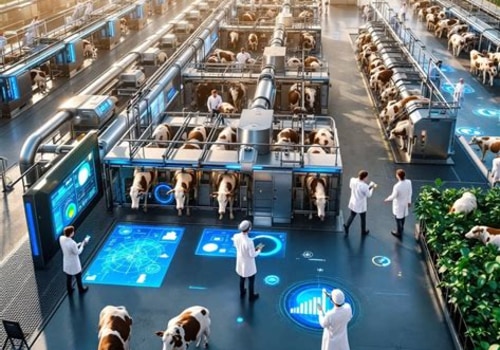
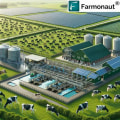
In recent years, technology in dairy farming has transformed the landscape of the industry, ushering in a new era of efficiency and productivity. As the global demand for dairy products continues to rise, modern dairy farmers are increasingly turning to innovative solutions that not only enhance milk production but also improve animal welfare and sustainability. This evolution is not merely a trend; it represents a fundamental shift in how dairy farming operates, integrating advanced tools and techniques that were once unimaginable. The integration of dairy farming innovations such as automated milking systems, precision feeding, and data analytics has revolutionized traditional practices. These technologies allow farmers to monitor their herds more closely, ensuring optimal health and productivity.
For instance, sensors can track individual cow behavior and health metrics, enabling timely interventions that can prevent disease and enhance overall herd performance. This level of insight was previously unattainable, highlighting the critical role that technology plays in modern dairy farming. Moreover, the adoption of sustainable practices through technology is becoming increasingly important. Farmers are now utilizing renewable energy sources, waste management systems, and water conservation techniques to minimize their environmental footprint. As consumers become more conscious of the origins of their food, the ability to demonstrate sustainable practices through technological advancements is not just beneficial but essential for maintaining market competitiveness. As we delve deeper into the various facets of technology in dairy farming, it becomes clear that these innovations are not just enhancing productivity; they are reshaping the entire industry.
From improving operational efficiency to promoting animal welfare and sustainability, technology is at the forefront of modern dairy farming, paving the way for a more resilient and responsible future.
The Evolution of Dairy Farming Technology
The journey of dairy farming technology has been a remarkable evolution, reflecting the broader advancements in agricultural practices. From its humble beginnings thousands of years ago, dairy farming has undergone significant transformations that have enhanced productivity and animal welfare.Historically, dairy farming was a labor-intensive process. Early farmers relied on manual methods for milking and caring for their livestock. The introduction of simple tools, such as the milking pail, marked the first step towards mechanization.However, it wasn't until the late 19th century that substantial technological advancements began to reshape the industry.
Key Advancements in Dairy Farming Technology
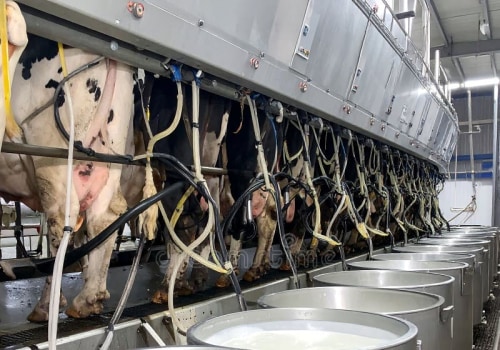
- Milking Machines: The invention of the milking machine in the early 1900s revolutionized the way milk was collected. This innovation not only increased efficiency but also improved hygiene standards.
- Refrigeration: The development of refrigeration technology allowed for better storage and transportation of milk, reducing spoilage and extending shelf life.
- Artificial Insemination: Introduced in the mid-20th century, artificial insemination has enabled farmers to enhance herd genetics, leading to improved milk production and disease resistance.
- Precision Agriculture: In recent years, technologies such as GPS and data analytics have emerged, allowing farmers to monitor herd health and optimize feeding practices based on real-time data.
The evolution of dairy farming technology is a testament to the industry's adaptability and commitment to meeting the growing global demand for dairy products.
Precision Agriculture in Dairy Farming
In the realm of dairy farming, the integration of precision agriculture techniques has revolutionized traditional practices, leading to enhanced productivity and sustainability. By leveraging advanced technologies, dairy farmers can make informed decisions that optimize resource use and improve herd management.Precision technology in dairy
encompasses a variety of tools and methodologies designed to monitor and manage farm operations with greater accuracy. For instance, smart farming techniques such as GPS-guided equipment allow farmers to apply fertilizers and feed with pinpoint precision, reducing waste and minimizing environmental impact.- Data-Driven Decision Making: Utilizing sensors and IoT devices, farmers can collect real-time data on soil health, weather conditions, and animal behavior. This information enables them to tailor their practices to meet the specific needs of their herd and land.
- Automated Feeding Systems: Automated feeders can adjust rations based on individual cow requirements, ensuring optimal nutrition while reducing labor costs.
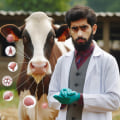
- Health Monitoring: Wearable technology for cows tracks vital signs and activity levels, allowing for early detection of health issues.
This proactive approach not only improves animal welfare but also enhances milk production efficiency.
Automation and Robotics in Dairy Operations
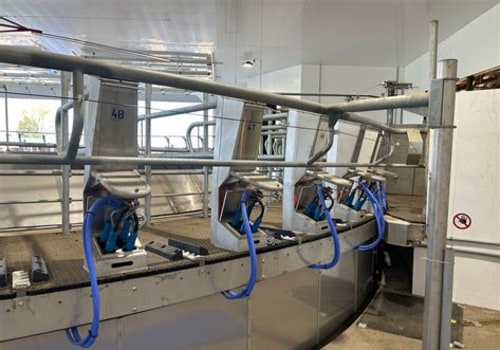
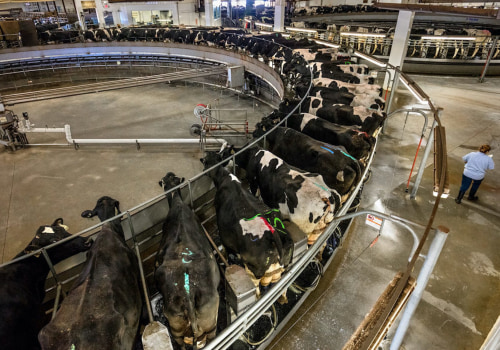
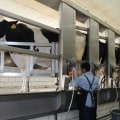
In the realm of dairy farming, automation and robotics have emerged as transformative forces, significantly enhancing operational efficiency and productivity. By integrating advanced technologies, dairy farmers can streamline various processes, from milking to herd management, ultimately leading to improved animal welfare and higher milk yields.Milking robots
are at the forefront of this technological revolution.These automated systems allow cows to be milked on their own schedule, reducing stress and improving overall milk production. With the ability to monitor each cow's health and milk output in real-time, farmers can make informed decisions that enhance herd management.
- Increased Efficiency: Milking robots operate continuously, allowing for more cows to be milked in less time compared to traditional methods.
- Data Collection: These systems gather valuable data on each cow's health and productivity, enabling farmers to tailor their care and feeding strategies.
- Labor Savings: Automation reduces the need for manual labor, allowing farm workers to focus on other critical tasks.
By optimizing resource use and minimizing waste, farmers can operate more sustainably while meeting the growing demand for dairy products.As the dairy industry continues to evolve, embracing automation and robotics will be crucial for farmers looking to stay competitive. The future of dairy farming lies in leveraging these technologies to create more efficient, sustainable, and profitable operations.
Data Management and Analytics in Dairy Farming
In the realm of dairy farming, effective data management and analytics play a pivotal role in enhancing operational efficiency and productivity. Modern dairy operations are increasingly leveraging technology to collect, analyze, and utilize data to make informed decisions that drive performance.One of the primary tools in this transformation is farm management software. These platforms enable farmers to track various metrics, including milk production, feed efficiency, and herd health.By centralizing data, farmers can easily access real-time information that aids in decision-making processes.
- Milk Production Tracking: Monitoring daily milk yields allows farmers to identify trends and anomalies. This data can indicate when a cow is not performing optimally, prompting timely interventions.
- Feed Management: Analytics can help optimize feed rations based on individual cow needs, improving overall herd health and reducing waste.
- Health Monitoring: Wearable technology and sensors provide continuous health data on cows, enabling early detection of illnesses and reducing veterinary costs.
By utilizing historical data, farmers can forecast future trends such as milk prices or feed costs, allowing them to make proactive adjustments to their operations.In conclusion, the role of data management and analytics in modern dairy farming cannot be overstated. By harnessing these technologies, farmers are not only improving their operational efficiency but also ensuring sustainable practices that benefit both their businesses and the environment.
Sustainability and Environmental Impact of Technology in Dairy Farming
In recent years, the integration of technology in dairy farming has significantly enhanced sustainability and reduced the environmental impact of operations. By adopting innovative solutions, dairy farmers are not only improving productivity but also promoting eco-friendly practices that align with modern environmental standards.Precision Agriculture
One of the most impactful advancements is the use of precision agriculture. This technology allows farmers to monitor and manage their resources more efficiently.For instance, sensors can track soil moisture levels, enabling farmers to optimize irrigation and reduce water waste. Additionally, precision feeding systems ensure that cows receive the right nutrients, minimizing feed waste and enhancing milk production.
Waste Management Solutions
Another critical area where technology plays a role is in waste management.Biogas systems
convert manure into renewable energy, reducing greenhouse gas emissions while providing a sustainable energy source for farm operations. This not only helps in managing waste effectively but also contributes to a circular economy within the dairy sector.Monitoring and Data Analysis
The use of data analytics and monitoring systems has revolutionized how dairy farms operate.By utilizing IoT devices, farmers can track the health and productivity of their herds in real-time. This proactive approach allows for early detection of health issues, reducing the need for antibiotics and other treatments that can have negative environmental impacts.
Eco-Friendly Practices
Moreover, technology facilitates the implementation of eco-friendly practices. Automated milking systems not only improve efficiency but also reduce stress on animals, leading to better overall herd health. Additionally, technologies such as solar panels and wind turbines are increasingly being adopted to power dairy farms sustainably.In conclusion, the role of technology in modern dairy farming extends far beyond mere productivity enhancements.It is a vital component in fostering sustainable practices that mitigate environmental impact while ensuring the long-term viability of dairy operations.
Challenges and Limitations of Technology in Dairy Farming
While technology has the potential to revolutionize dairy farming, its adoption is not without challenges and limitations. Farmers often face several barriers that can hinder the effective implementation of new technologies.- High Initial Costs: The upfront investment required for advanced technologies, such as automated milking systems or precision feeding equipment, can be prohibitive for many dairy farmers. This financial burden can deter smaller operations from adopting these innovations.
- Technical Expertise: Many modern technologies require a certain level of technical knowledge to operate and maintain. Farmers may struggle with the learning curve associated with new systems, leading to underutilization or improper use of the technology.
- Integration Issues: Existing farm management systems may not easily integrate with new technologies.
This lack of compatibility can create inefficiencies and complicate data management, making it difficult for farmers to fully benefit from technological advancements.
- Dependence on Technology: As farms become more reliant on technology, any malfunction or failure can lead to significant disruptions in operations. This dependence raises concerns about the resilience of dairy farming practices in the face of technical issues.
- Data Privacy and Security: With the increasing use of data-driven technologies, concerns about data privacy and security have emerged. Farmers must navigate the complexities of protecting sensitive information while still leveraging data for improved decision-making.
This mindset can slow down the adoption process, even when clear advantages are evident.In conclusion, while technology holds great promise for enhancing dairy farming, addressing these challenges is crucial for successful implementation. By understanding and overcoming these barriers, farmers can better position themselves to take advantage of technological advancements that can lead to increased efficiency and productivity.
Future Trends in Dairy Farming Technology
The future of dairy farming technology is poised for significant transformation, driven by innovations that enhance productivity, sustainability, and animal welfare. As the industry adapts to changing consumer demands and environmental challenges, several emerging trends are set to redefine how dairy farms operate.Precision Agriculture
One of the most promising trends in dairy farming is the adoption of precision agriculture technologies. These tools utilize data analytics, GPS, and IoT devices to monitor and manage farm operations with unprecedented accuracy.Farmers can track milk production, feed efficiency, and even cow health in real-time, allowing for informed decision-making that optimizes resources and minimizes waste.
Automation and Robotics
Automation is another key area where technology is making strides. Robotic milking systems are becoming increasingly common, enabling farmers to milk cows more efficiently while reducing labor costs. Additionally, automated feeding systems ensure that cows receive the right amount of feed at the right time, further enhancing productivity.Sustainable Practices
As sustainability becomes a priority in the dairy industry, technology plays a crucial role in reducing the environmental impact of farming practices. Innovations such as methane digesters and nutrient management software help farms minimize greenhouse gas emissions and optimize fertilizer use.These technologies not only benefit the environment but also improve the overall efficiency of dairy operations.
Data-Driven Insights
The integration of big data analytics into dairy farming allows farmers to gain insights into herd performance and market trends. By analyzing data from various sources, including weather patterns and consumer preferences, farmers can make strategic decisions that enhance profitability and sustainability.In conclusion, the future of dairy farming technology is bright, with emerging trends focused on precision agriculture, automation, sustainability, and data-driven insights. As these innovations continue to evolve, they will undoubtedly shape a more efficient and responsible dairy industry.Conclusion: The Future of Dairy Farming with Technology
As we look towards the future of dairy farming, it is clear that technology will continue to play a pivotal role in shaping the industry. The integration of advanced tools and systems has not only enhanced productivity but also improved animal welfare and sustainability practices.Throughout this article, we have explored various technological advancements, including:- Precision agriculture, which allows farmers to monitor crop health and soil conditions in real-time, ensuring optimal feed for dairy cattle.
- Automated milking systems, which increase efficiency and reduce labor costs while providing cows with a stress-free milking experience.
- Data analytics, enabling farmers to make informed decisions based on herd performance metrics, leading to better management practices.
- Genetic advancements, which help in breeding healthier and more productive dairy cows, ultimately enhancing milk yield and quality.
They contribute significantly to sustainability by minimizing waste, reducing carbon footprints, and promoting responsible resource management. As consumers increasingly demand transparency and ethical practices in food production, technology equips dairy farmers with the tools needed to meet these expectations.In conclusion, the future of dairy farming is bright, driven by continuous innovation. Embracing these technological advancements will not only ensure the viability of dairy operations but also foster a more sustainable and ethical approach to food production. As we move forward, it is essential for farmers to stay informed and adaptable, leveraging technology to navigate the challenges and opportunities that lie ahead.