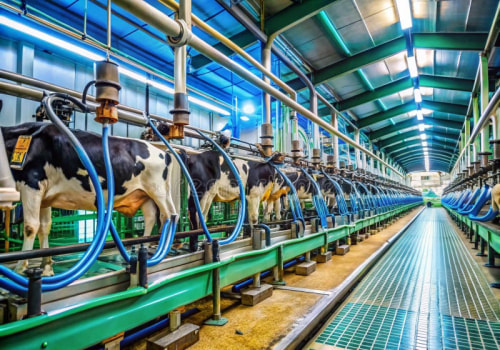
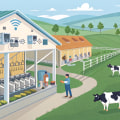
The dairy farming industry is a dynamic and ever-evolving landscape, influenced by a myriad of factors ranging from consumer preferences to technological advancements. As the demand for dairy products continues to grow, farmers must navigate a complex web of trends and innovations to remain competitive. Understanding these shifts is crucial not only for maintaining profitability but also for ensuring sustainability in their operations. In recent years, the dairy industry has witnessed significant changes, including the rise of plant-based alternatives and increasing consumer awareness regarding animal welfare and environmental impact. These trends compel dairy farmers to adapt their practices and explore new methods of production.
Staying informed about such developments is essential for farmers who wish to align their operations with market demands while also embracing advancements that can enhance efficiency and productivity. Moreover, advancements in technology, such as precision agriculture and data analytics, are transforming traditional dairy farming practices. Farmers who leverage these tools can gain valuable insights into herd management, feed efficiency, and overall farm performance. By understanding the latest dairy farming advancements, producers can make informed decisions that not only improve their bottom line but also contribute to the long-term viability of their farms.
Utilizing Technology for Information Gathering
In the rapidly evolving world of dairy farming, staying informed about industry trends and advancements is crucial for farmers aiming to enhance productivity and sustainability. One of the most significant ways dairy farmers achieve this is through the utilization of technology.Dairy farming apps
have become indispensable tools for farmers, providing them with real-time data on various aspects of their operations.These applications can track herd health, monitor milk production, and even manage feed efficiency. For instance, apps like CowManager and FarmWizard allow farmers to receive alerts about potential health issues in their cows, enabling timely interventions that can prevent larger problems down the line.Moreover, the integration of precision agriculture techniques has revolutionized how dairy farmers gather and analyze data. By employing sensors and IoT devices, farmers can monitor environmental conditions such as soil moisture and temperature, which directly impact crop yields for feed. This data-driven approach not only optimizes resource use but also helps in making informed decisions that align with current industry standards.Additionally, many farmers are leveraging online platforms and forums to connect with peers and industry experts.
Websites like Dairy Herd Management and Progressive Dairyman offer articles, webinars, and discussion boards where farmers can share insights and learn about the latest innovations in dairy farming.In conclusion, by embracing technology through apps and precision agriculture tools, dairy farmers can stay ahead of industry trends. This proactive approach not only enhances operational efficiency but also contributes to the overall sustainability of their farming practices.
Engaging with Agricultural Organizations and Cooperatives
In the ever-evolving landscape of dairy farming, staying informed about industry trends and advancements is crucial for farmers. One of the most effective ways dairy farmers achieve this is through active engagement with agricultural organizations and dairy cooperatives. These entities serve as vital resources, offering a wealth of information, networking opportunities, and educational programs tailored specifically for dairy producers.Dairy cooperatives
play a significant role in the dairy industry by pooling resources and providing farmers with access to essential services.By joining a cooperative, dairy farmers can benefit from:
- Collective Bargaining: Cooperatives enable farmers to negotiate better prices for their milk and supplies, ensuring they remain competitive in the market.
- Access to Market Information: Members receive timely updates on market trends, pricing fluctuations, and consumer preferences, allowing them to make informed decisions.
- Educational Resources: Many cooperatives offer workshops, seminars, and training sessions that cover best practices in dairy management, animal health, and sustainability.
- Network with Other Farmers: Building relationships with fellow dairy producers can lead to valuable exchanges of ideas and experiences.
- Learn from Experts: Industry leaders often share insights on the latest technologies and practices that can enhance productivity and profitability.
- Participate in Research Initiatives: Many organizations collaborate with universities and research institutions to conduct studies that benefit the dairy sector.
Participating in Industry Conferences and Workshops
Participating in dairy farming conferences and workshops is crucial for farmers who want to stay ahead in the industry.These events provide a unique platform for networking, sharing knowledge, and discovering the latest advancements in dairy technology and practices.One of the primary benefits of attending these industry events is the opportunity to connect with fellow farmers, researchers, and industry experts. Networking can lead to valuable partnerships and collaborations that enhance productivity and innovation on the farm. Additionally, these gatherings often feature keynote speakers who are leaders in the dairy farming sector, offering insights into emerging trends and best practices.Workshops specifically designed for farmers allow participants to engage in hands-on learning experiences. Topics may range from sustainable farming techniques to advancements in herd management and animal health.
By participating in these interactive sessions, farmers can gain practical skills that they can implement immediately on their farms.
- Industry Conferences: These large-scale events often include exhibitions showcasing the latest products and technologies available to dairy farmers. Attendees can explore innovations that could improve efficiency and profitability.
- Workshops for Farmers: Smaller, focused workshops provide an intimate setting for learning. Farmers can ask questions and receive personalized advice from experts.
- Networking Opportunities: Engaging with peers allows farmers to share experiences and solutions to common challenges faced in dairy farming.
Following Research and Development in Dairy Science
In the ever-evolving world of dairy farming, staying informed about the latest research and advancements in dairy science is crucial for farmers aiming to enhance productivity and sustainability.Agricultural research institutions and universities play a pivotal role in this process, providing valuable insights that can lead to improved practices and technologies.One of the primary ways dairy farmers stay updated is through participation in research programs and collaborations with academic institutions. These partnerships often result in field trials that test new methods of milk production, animal health management, and feed efficiency. By engaging directly with researchers, farmers can gain firsthand knowledge of cutting-edge techniques that may benefit their operations.Additionally, many universities offer extension services that disseminate research findings to the farming community. These services often include:
- Workshops and Seminars: Regular events where experts present the latest findings in dairy science.
- Newsletters: Subscriptions to newsletters that summarize recent research and provide practical applications for farmers.
- Online Resources: Access to databases and publications that detail ongoing studies and their implications for dairy farming.
These gatherings often feature presentations on the latest advancements in dairy research, covering topics such as genetic improvements, disease management, and environmental sustainability practices.In conclusion, by actively engaging with agricultural research institutions and utilizing available resources, dairy farmers can stay at the forefront of dairy science. This proactive approach not only enhances their operational efficiency but also contributes to the overall advancement of the dairy industry.
Leveraging Social Media and Online Communities
In the rapidly evolving world of dairy farming, staying informed about industry trends and advancements is crucial for farmers. One of the most effective ways dairy farmers are achieving this is through social media and online communities. These platforms not only facilitate the exchange of information but also foster a sense of community among farmers.Social Media for Farmers
- Facebook: Many dairy farmers utilize Facebook groups dedicated to agriculture and dairy farming.
These groups serve as a hub for sharing experiences, asking questions, and discussing new technologies or practices.
- Twitter: Twitter allows farmers to follow industry leaders, organizations, and researchers. By engaging with hashtags like #DairyFarming, they can stay updated on the latest news and trends.
- Instagram: Visual storytelling on Instagram helps farmers showcase their operations while also learning from others. Posts about innovative practices or farm tours can inspire new ideas.
Online Farming Communities
Beyond social media, dedicated online forums and communities provide a more focused environment for discussion. Websites like Dairy Herd Management and The Dairy Site offer articles, webinars, and forums where farmers can engage with experts and peers alike.
- Dairy Farming Forums: These forums allow for in-depth discussions on specific topics such as herd management, feed efficiency, and sustainability practices.
Farmers can post questions and receive advice from experienced peers.
- Webinars and Online Workshops: Many organizations host webinars that cover the latest research findings or technological advancements in dairy farming. Participating in these events helps farmers gain insights that can be directly applied to their operations.
Reading Industry Publications and Newsletters
Staying informed about the latest trends and advancements in dairy farming is crucial for farmers looking to enhance their operations and remain competitive. One of the most effective ways to achieve this is by subscribing to industry publications and newsletters that focus specifically on the dairy sector.Dairy industry publications
provide a wealth of information, including market analysis, technological innovations, and best practices. These resources often feature articles written by experts who share insights on everything from herd management to sustainable practices.By regularly reading these publications, farmers can gain a deeper understanding of the challenges and opportunities within the industry.
- Newsletters for Farmers: Many agricultural organizations and universities offer newsletters tailored for dairy farmers. These newsletters often include timely updates on regulatory changes, upcoming events, and research findings that can directly impact farming practices.
- Agricultural Magazines: Subscribing to reputable agricultural magazines can also be beneficial. These magazines typically cover a broad range of topics related to dairy farming, including equipment reviews, financial advice, and profiles of successful farms.
This interactive approach not only keeps farmers informed but also fosters a sense of community within the industry.Ultimately, by actively engaging with industry publications and newsletters, dairy farmers can stay ahead of the curve, adapt to changing market conditions, and implement innovative practices that enhance productivity and sustainability on their farms.
Networking with Peers and Mentors
In the ever-evolving world of dairy farming, staying informed about industry trends and advancements is crucial for success. One of the most effective ways dairy farmers achieve this is through networking with peers and seeking mentorship from experienced professionals in the field.Building Relationships
Establishing connections with fellow farmers allows for the exchange of valuable insights and experiences. These relationships can be fostered through:
- Local agricultural fairs: Attending these events provides opportunities to meet other farmers, share stories, and discuss challenges.
- Online forums and social media groups: Platforms like Facebook and LinkedIn host numerous groups dedicated to dairy farming, where members can ask questions, share resources, and offer support.
- Cooperatives and associations: Joining local or national dairy cooperatives can provide access to a wealth of information, including best practices and market trends.
The Role of Mentorship
Mentorship plays a pivotal role in the professional development of dairy farmers. Experienced mentors can guide newcomers through:
- Technical skills: Learning about advanced milking techniques or herd management from seasoned professionals can significantly enhance productivity.
- Business acumen: Mentors can provide insights into financial management, marketing strategies, and navigating regulatory requirements.
- Emotional support: The challenges of dairy farming can be overwhelming; having a mentor to lean on can make a significant difference in maintaining morale.
These groups often organize workshops and seminars that focus on current trends in dairy farming, ensuring that all members stay informed about the latest advancements.In conclusion, by actively engaging in networking opportunities and seeking mentorship, dairy farmers can cultivate a robust support system that not only enhances their knowledge but also fosters a sense of community within the industry.
Conclusion: The Importance of Staying Informed in Dairy Farming
In conclusion, staying informed about industry trends and advancements is crucial for dairy farmers to thrive in a competitive market. The dairy farming landscape is constantly evolving, influenced by factors such as technological innovations, regulatory changes, and shifting consumer preferences. By actively engaging with these developments, farmers can make informed decisions that enhance productivity and sustainability.To summarize the key points discussed:- Continuous Education: Participating in workshops, webinars, and training sessions allows dairy farmers to learn about the latest practices and technologies.
- Networking: Building relationships with other farmers, industry experts, and agricultural organizations provides valuable insights and shared experiences that can lead to better decision-making.
- Utilizing Technology: Embracing digital tools and platforms helps farmers access real-time data and market trends, enabling them to adapt quickly to changes.
- Research and Development: Staying updated on scientific research related to dairy farming can lead to improved animal health, feed efficiency, and overall farm management.
In a world where information is readily available, those who leverage it effectively will undoubtedly lead the way in shaping the future of dairy farming.