Dairy farming is a vital component of the agricultural sector, playing a crucial role in providing one of the most essential food sources for people around the globe. This industry not only supplies milk but also contributes to a wide range of dairy products such as cheese, yogurt, and butter, which are staples in many diets. The significance of dairy farming extends beyond mere nutrition; it supports local economies, creates jobs, and fosters sustainable agricultural practices. As we delve into the intricacies of the dairy industry, it becomes evident that effective management of milk transportation and storage is paramount. From the moment milk is harvested from cows to its arrival at processing facilities, every step must be meticulously planned to ensure quality and safety.
Understanding how dairy farmers handle these processes sheds light on the broader implications for food security and public health. The dairy industry is not just about production; it encompasses a complex network of logistics that ensures fresh milk reaches consumers efficiently. This section will explore the foundational aspects of dairy farming, emphasizing its importance in our daily lives and setting the stage for a deeper discussion on the critical practices involved in milk transportation and storage.
The Milk Production Process
The milk production process on a dairy farm is a meticulous operation that involves several key steps, each critical to ensuring the quality and safety of the milk produced. Understanding this process is essential for appreciating the importance of effective milk transportation and storage.Initially, the process begins with the care and management of dairy cows. Farmers ensure that the cows are healthy, well-fed, and comfortable, as these factors directly influence milk yield and quality.Regular veterinary check-ups and a balanced diet rich in nutrients are fundamental to maintaining optimal cow health.Once the cows are ready for milking, the actual milking process takes place. This can be done manually or through automated milking systems. The milk is collected in sanitized containers to prevent contamination. After milking, the milk is immediately cooled to a temperature of around 40°F (4°C) to inhibit bacterial growth.Following cooling, the milk is stored in large bulk tanks on the farm.
These tanks are equipped with refrigeration systems that maintain the necessary temperature until transportation. Proper storage is crucial as it preserves the freshness and quality of the milk, ensuring it meets health standards.Once enough milk has been collected, it is time for transportation. Milk trucks equipped with insulated tanks are used to transport the milk from the dairy farm to processing plants. These trucks are designed to keep the milk at a consistent cold temperature throughout transit, further safeguarding its quality.In summary, each step in the dairy farm operations—from cow care to milking, storage, and transportation—plays a vital role in delivering high-quality milk to consumers.
Understanding this process highlights why effective handling of milk during transportation and storage is not just important but essential for maintaining product integrity.
Milk Transportation: An Overview
Transporting milk from dairy farms to processing facilities is a critical aspect of dairy farming that ensures the quality and safety of the product. The methods used for milk transportation can vary significantly based on distance, volume, and the specific requirements of the dairy operation.Milk Transportation Methods
There are several primary methods for transporting milk:- Bulk Tankers: The most common method involves using large insulated tankers that can hold thousands of gallons of milk. These tankers are equipped with refrigeration systems to maintain the milk at safe temperatures during transit.
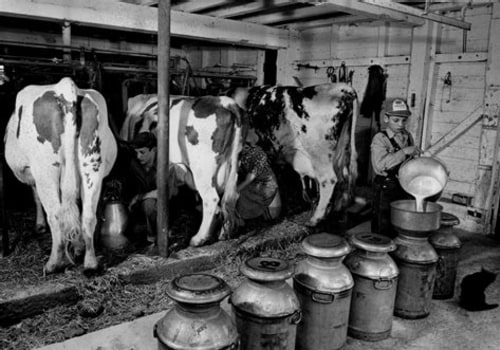
- Milk Cans: In smaller operations or remote areas, traditional milk cans may still be used. These cans are typically transported by truck and require careful handling to prevent contamination.
- Pipelines: Some larger dairy farms utilize pipelines to transport milk directly from the milking parlor to storage tanks or processing facilities.
This method minimizes handling and reduces the risk of contamination.
Dairy Logistics Challenges
The logistics of transporting milk present unique challenges:- Temperature Control: Maintaining the correct temperature is crucial to prevent spoilage. Milk must be cooled to below 40°F (4°C) as quickly as possible after milking and kept at that temperature throughout transportation.
- Timing: Milk is a perishable product, so timely transportation is essential. Dairy farmers often work closely with logistics companies to ensure prompt pickups and deliveries.
- Regulatory Compliance: Dairy transportation must adhere to strict health and safety regulations. This includes regular inspections of transport vehicles and adherence to sanitation protocols.
By utilizing various transportation methods and addressing logistical challenges, dairy farmers can maintain high standards of quality and safety in their products.
Storage Solutions for Fresh Milk
Effective milk storage solutions are crucial for dairy farmers to ensure that the quality of milk is preserved from the moment it is harvested until it reaches consumers. Various techniques and technologies are employed to maintain freshness and safety.One of the primary methods used in dairy storage techniques is the use of bulk tanks. These large, insulated containers are designed to keep milk at a consistent, low temperature, typically around 34°F (1°C). This temperature is essential for inhibiting bacterial growth and maintaining the milk's freshness.Bulk tanks are often equipped with cooling systems that rapidly chill the milk immediately after milking, ensuring that it remains safe for consumption.In addition to bulk tanks, many dairy farms utilize refrigerated transport trucks. These vehicles are specially designed to maintain the cold chain during transportation. They are equipped with advanced cooling systems that monitor and regulate the temperature throughout the journey, ensuring that milk remains at optimal conditions until it reaches processing facilities.Another innovative solution is the use of milk silos. These large storage units can hold significant quantities of milk and are often used in larger dairy operations.
Silos are designed to minimize exposure to light and air, which can degrade milk quality. They also feature advanced monitoring systems that track temperature and quality parameters in real-time.Furthermore, some dairy farmers are adopting smart technology in their storage solutions. This includes sensors and IoT devices that provide data on temperature fluctuations, allowing farmers to respond quickly to any issues that may arise during storage. By leveraging technology, dairy farmers can enhance their ability to maintain high-quality milk.In summary, effective milk storage solutions involve a combination of traditional methods like bulk tanks and modern innovations such as smart technology and refrigerated transport.
By implementing these strategies, dairy farmers can ensure that their products remain fresh and safe for consumers.
Challenges in Milk Transportation and Storage
Transporting and storing milk presents several challenges that dairy farmers must navigate to ensure the quality and safety of their product. One of the primary concerns is maintaining the appropriate temperature. Milk is highly perishable, and any deviation from the ideal temperature range can lead to spoilage and a decline in quality. Farmers often rely on insulated tanks and refrigerated trucks to keep milk at a consistent temperature during transport.Another significant issue is the risk of contamination.During transportation, milk can be exposed to various contaminants, including bacteria from equipment or the environment. To mitigate this risk, dairy farmers implement strict hygiene protocols, ensuring that all containers and transport vehicles are thoroughly cleaned and sanitized before use.Additionally, storage issues can arise when milk is not processed immediately after collection. Farmers must have adequate storage facilities that can maintain low temperatures and prevent contamination. This often requires investment in advanced cooling systems and regular maintenance checks to ensure that equipment is functioning correctly.
- Temperature Control: Essential for preventing spoilage.
- Contamination Risks: Requires strict hygiene practices.
- Storage Facilities: Must be equipped to handle large volumes of milk safely.
Addressing these challenges is crucial for preserving milk quality and meeting consumer safety standards.
Innovations in Dairy Transportation and Storage
In recent years, the dairy farming industry has witnessed significant innovations in the transportation and storage of milk, driven by advancements in technology and a growing emphasis on efficiency and safety. These innovations not only enhance the quality of milk but also streamline operations for dairy farmers.Technological Advancements in Milk Transportation
One of the most notable advancements is the use of smart sensors and IoT (Internet of Things) technology. These devices monitor temperature, humidity, and other critical factors during transportation, ensuring that milk is kept at optimal conditions. For instance, real-time data can alert farmers and transporters to any deviations from the ideal environment, allowing for immediate corrective actions.Additionally, automated milking systems have revolutionized how milk is collected and transported.These systems can efficiently transfer milk from milking machines directly into insulated tanks, reducing the time between milking and transportation. This not only preserves freshness but also minimizes human error.
Advancements in Storage Techniques
The storage of milk has also seen remarkable improvements. Modern bulk tanks are now equipped with advanced cooling systems that maintain consistent temperatures, preventing spoilage. Some tanks even feature automated cleaning systems that ensure hygiene without manual intervention.Moreover, the introduction of mobile storage units allows dairy farmers to transport milk directly from farms to processing plants without the need for intermediate storage.This innovation reduces handling time and further preserves the quality of the milk.In conclusion, these technological advancements in dairy farming, particularly in milk transportation and storage, are crucial for enhancing efficiency and ensuring product safety. As the industry continues to evolve, embracing these innovations will be essential for meeting consumer demands and maintaining high standards in dairy production.
Best Practices for Dairy Farmers
Effective milk transportation and storage are critical components of successful dairy farming. Implementing best practices can significantly enhance the quality of milk and ensure its safety for consumers. Here are some actionable tips for dairy farmers:- Regular Equipment Maintenance: Ensure that all transportation and storage equipment, such as milk tanks and cooling systems, are regularly maintained and cleaned.
This helps prevent contamination and ensures optimal performance.
- Temperature Control: Maintain the milk at a consistent temperature of 38°F or lower during transportation. Use insulated tanks and monitor temperatures throughout the journey to prevent spoilage.
- Quick Transfer: Minimize the time between milking and cooling. The faster milk is cooled after milking, the better its quality will be. Aim to cool milk within 30 minutes of milking.
- Proper Loading Techniques: When loading milk for transport, ensure that tanks are filled to the appropriate level without overfilling.
This prevents spillage and maintains the integrity of the milk.
- Hygiene Practices: Implement strict hygiene protocols for all personnel involved in milk handling. This includes wearing clean clothing, using sanitized equipment, and practicing good hand hygiene.
- Regular Quality Testing: Conduct routine tests on milk quality before transportation. This includes checking for bacterial counts, somatic cell counts, and overall freshness to ensure only high-quality milk is sent to market.
Frequently Asked Questions about Milk Transportation and Storage
When it comes to dairy farming, understanding the intricacies of milk transportation and storage is crucial for maintaining quality and safety.Here are some frequently asked questions that shed light on this essential aspect of the dairy industry.
What are the common methods of transporting milk?
Milk is typically transported using specialized tankers designed to keep the product at a consistent, cold temperature. These tankers are insulated and equipped with refrigeration systems to ensure that the milk remains fresh during transit. Additionally, many dairy farms utilize bulk milk tanks that allow for efficient collection and transport directly from the farm to processing facilities.How is milk stored before transportation?
Before transportation, milk is stored in large, refrigerated tanks on the farm. These tanks are designed to maintain optimal temperatures, usually below 40°F (4°C), to prevent bacterial growth and spoilage.Regular monitoring of temperature and cleanliness is essential to ensure that the milk remains safe for consumption.
What safety measures are taken during milk handling?
- Sanitation: All equipment used in the milking process, including storage tanks and transport vehicles, must be thoroughly cleaned and sanitized.
- Temperature Control: Maintaining a consistent cold chain from milking to processing is vital for preserving milk quality.
- Regular Testing: Milk is routinely tested for quality and safety parameters, including bacterial counts and somatic cell counts.
How long can milk be stored before it needs to be transported?
The duration for which milk can be stored before transportation varies but is generally kept to a minimum. Ideally, milk should be transported within 48 hours of milking to ensure freshness. However, with proper refrigeration and handling practices, it can be stored safely for up to 72 hours under optimal conditions.By addressing these common questions about milk transportation and storage, we can better appreciate the efforts dairy farmers put into ensuring that high-quality milk reaches consumers safely and efficiently.Conclusion: The Future of Dairy Farming Logistics
As we look towards the future of dairy farming logistics, it is clear that the industry is on the brink of significant transformation. The challenges faced by dairy farmers in transporting and storing milk are being met with innovative solutions that promise to enhance efficiency and sustainability.One of the most notable trends is the increasing adoption of technology in logistics management.Advanced tracking systems and IoT devices are enabling farmers to monitor milk quality and temperature during transportation, ensuring that the product remains fresh and safe for consumption. This not only helps in maintaining high standards but also reduces waste, a critical factor in an industry where margins can be tight.Moreover, the push for sustainability is reshaping how dairy farmers approach logistics. Many are exploring eco-friendly transportation options, such as electric vehicles and optimized routing to minimize carbon footprints. This shift not only aligns with consumer demand for sustainable practices but also prepares farmers for potential regulatory changes aimed at reducing environmental impact.In addition, collaboration within the supply chain is becoming increasingly important.
By forming partnerships with logistics providers and other stakeholders, dairy farmers can streamline operations, share resources, and improve overall efficiency. This collaborative approach can lead to better pricing strategies and enhanced market access.As we conclude our exploration of milk transportation and storage in dairy farming, it is evident that the future holds exciting possibilities. With ongoing advancements in technology, a commitment to sustainability, and a focus on collaboration, dairy farmers are well-positioned to navigate the complexities of logistics while meeting the demands of a changing market.