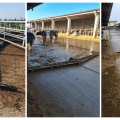
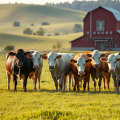
Dairy farming is a vital component of modern agriculture, playing a significant role in both local and global economies. It involves the breeding and management of dairy cattle to produce milk, which is a staple in many diets around the world. However, the significance of dairy farming extends far beyond just milk production. The industry generates a variety of valuable byproducts that contribute to sustainability and economic viability. Understanding the byproducts of dairy farming is essential for appreciating its full impact.
While milk is the primary product, dairy farms also produce items such as cheese, yogurt, butter, and whey protein. These byproducts not only provide diverse options for consumers but also create additional revenue streams for farmers. Moreover, many of these products are rich in nutrients and can be incorporated into various diets, enhancing food security. In addition to food products, dairy farming yields other byproducts like manure, which can be used as a natural fertilizer, promoting soil health and reducing the need for chemical fertilizers. This aspect highlights the environmental benefits of dairy farming, showcasing how it can contribute to sustainable agricultural practices.
As we delve deeper into the world of dairy farming, it becomes clear that its byproducts play a crucial role in supporting both economic growth and environmental stewardship.
Understanding Dairy Farming
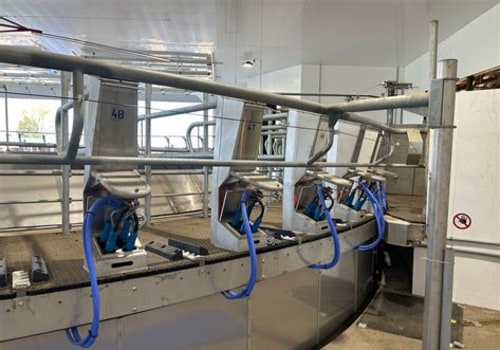
Dairy farming is a specialized branch of agriculture focused on the production of milk and its derivatives. This practice has been integral to human nutrition and food production for centuries, providing essential nutrients and a variety of products that are staples in many diets.The dairy farming process typically begins with the selection of appropriate breeds of dairy cattle, such as Holsteins or Jerseys, known for their high milk yield. Farmers must ensure that these animals are well cared for, which includes proper feeding, health management, and milking practices. The milking process can be done manually or through automated systems, ensuring efficiency and hygiene.Types of Dairy Farms
Dairy farms can be categorized into several types based on their scale and production methods:- Conventional Dairy Farms: These farms often use traditional methods and may rely on synthetic fertilizers and pesticides.
- Organic Dairy Farms: These farms adhere to organic farming principles, avoiding synthetic chemicals and focusing on sustainable practices.
- Grass-Fed Dairy Farms: Cattle are primarily fed grass and forage, which can enhance the nutritional profile of the milk produced.
- Large-Scale Dairy Operations: These industrial farms focus on maximizing production efficiency, often housing hundreds or thousands of cows.
It contributes to a wide array of products such as cheese, yogurt, butter, and ice cream. Understanding the processes involved in dairy farming is crucial for recognizing the various byproducts that emerge from this industry. These byproducts not only add value to the farm but also play significant roles in various sectors, including food processing and animal feed.
Common Byproducts of Dairy Farming
Dairy farming is not just about producing milk; it also generates a variety of valuable byproducts that contribute to the economy and culinary diversity. Here are some of the most common byproducts of dairy farming:- Cheese: One of the most popular dairy byproducts, cheese is made through the coagulation of milk proteins.
The process involves adding rennet or acid to milk, which separates it into curds and whey. Cheese comes in numerous varieties, each with unique flavors and textures, making it a staple in many cuisines.
- Yogurt: Yogurt is produced by fermenting milk with specific bacterial cultures. This fermentation process not only thickens the milk but also enhances its nutritional profile, making yogurt a rich source of probiotics, calcium, and protein.
- Butter: Butter is created by churning cream, which separates the fat from the buttermilk. This creamy byproduct is widely used in cooking and baking, adding flavor and richness to various dishes.
- Whey: Whey is the liquid remaining after milk has been curdled and strained during cheese production.
It is rich in protein and often used in protein supplements, baked goods, and even animal feed due to its high nutritional value.
- Casein: This is a slow-digesting dairy protein derived from milk. Casein is commonly used in food products as a thickener or emulsifier and is also popular in protein powders for athletes.
Nutritional Value and Uses of Dairy Byproducts
Dairy farming produces a variety of byproducts that are not only nutritious but also versatile in culinary applications.Among these, cheese and yogurt stand out as two of the most popular dairy byproducts.
Nutritional Value of Cheese and Yogurt
Cheese is rich in protein, calcium, and essential vitamins such as B12. It comes in numerous varieties, each offering unique flavors and textures, making it a staple in many diets worldwide. For instance, cheddar is known for its sharp taste and is often used in sandwiches and casseroles, while mozzarella is favored for its melting properties in pizzas and pastas.Yogurt
, on the other hand, is celebrated for its probiotic content, which supports gut health. It is an excellent source of protein and can be enjoyed plain or flavored. Many people incorporate yogurt into smoothies, desserts, or as a base for salad dressings.Health Benefits of Whey Protein
Whey protein, a byproduct of cheese production, has gained popularity among fitness enthusiasts due to its high biological value and rapid absorption rate.It contains all essential amino acids, making it an ideal supplement for muscle recovery and growth. Additionally, whey protein can aid in weight management by promoting satiety.
Culinary Uses of Dairy Byproducts
- Cheese: Used in a variety of dishes from appetizers to main courses.
- Yogurt: Commonly used in breakfast bowls, smoothies, and as a healthy snack.
- Whey Protein: Added to shakes, baked goods, or even pancakes for an extra protein boost.
Environmental Impact of Dairy Byproducts
The environmental impact of dairy farming extends beyond the production of milk, particularly when considering the byproducts generated during the process. These byproducts, if not managed properly, can pose significant challenges to sustainability and ecological health.One of the primary byproducts of dairy farming is manure.While it can be a valuable resource for fertilizing crops, improper management can lead to nutrient runoff, which contaminates water sources and contributes to eutrophication. This process depletes oxygen in water bodies, harming aquatic life and disrupting ecosystems.To mitigate these issues, many dairy farms are adopting sustainable waste management practices. These include:
- Composting: Transforming manure into compost not only reduces waste but also enriches soil health.
- Biogas production: Utilizing anaerobic digesters to convert manure into biogas provides a renewable energy source while reducing greenhouse gas emissions.
- Nutrient management plans: Implementing strategies to optimize fertilizer use helps minimize runoff and enhances crop yields.
This includes adopting practices that reduce water usage, improve energy efficiency, and enhance biodiversity on farms. By prioritizing sustainable methods, dairy farmers can significantly lessen their ecological impact while continuing to produce essential food products.In conclusion, addressing the environmental implications of dairy farming byproducts is crucial for promoting sustainability in the industry. Through effective waste management and innovative practices, dairy farms can minimize their ecological footprints while contributing positively to the environment.
Economic Importance of Dairy Byproducts
The economic importance of dairy byproducts extends far beyond the production of milk. These byproducts, which include cheese, yogurt, butter, and whey, play a crucial role in enhancing the profitability of dairy farming.As the demand for diverse dairy products continues to rise, farmers are finding new avenues to maximize their income.One significant aspect of the economic impact of dairy byproducts is their contribution to the overall dairy industry. According to recent market analyses, the global dairy byproducts market is projected to grow substantially in the coming years. This growth is driven by increasing consumer preferences for high-protein diets and functional foods, which often incorporate dairy byproducts.
- Cheese: As one of the most popular dairy byproducts, cheese accounts for a significant portion of dairy sales. Its versatility in culinary applications makes it a staple in many households.
- Yogurt: The rise of health-conscious consumers has led to a surge in yogurt consumption, particularly varieties that are high in probiotics.
- Whey Protein: This byproduct is increasingly used in sports nutrition and dietary supplements, tapping into the fitness market.
Farmers who process their milk into cheese or yogurt can command higher prices than those who sell raw milk alone. This shift not only increases their revenue but also helps stabilize their income against fluctuating milk prices.In conclusion, the economic significance of dairy byproducts cannot be overstated. By diversifying their product offerings and tapping into emerging market trends, dairy farmers can improve their financial stability and contribute positively to the agricultural sector as a whole.
Innovations in Dairy Byproduct Utilization
In recent years, the dairy farming industry has seen remarkable innovations in the utilization of byproducts, transforming what was once considered waste into valuable resources. These advancements not only enhance sustainability but also open new markets for dairy farmers.One of the most significant byproducts of dairy farming is whey, which is often discarded after cheese production.However, recent research has led to innovative uses for whey protein. This versatile ingredient is now being incorporated into a variety of food products, including protein bars, smoothies, and even baked goods. The health benefits associated with whey protein, such as muscle recovery and weight management, have made it a popular choice among health-conscious consumers.Moreover, advancements in cheese production technology have allowed for more efficient processing of milk and its byproducts. For instance, the development of microfiltration techniques enables producers to separate whey from cheese curds more effectively, resulting in higher yields and better quality products.
This not only maximizes profitability but also minimizes waste.Additionally, researchers are exploring the potential of using dairy byproducts in non-food applications. For example, lactose, another byproduct of dairy farming, is being investigated for its use in pharmaceuticals and cosmetics. Its natural properties make it an excellent candidate for enhancing product formulations.Furthermore, innovations in bioprocessing are paving the way for the creation of biodegradable plastics from dairy byproducts. This could significantly reduce the environmental impact of plastic waste while providing an alternative revenue stream for dairy farmers.As the dairy industry continues to evolve, these innovations in byproduct utilization not only contribute to economic growth but also promote a more sustainable future for dairy farming.
FAQs About Dairy Farming Byproducts
As dairy farming continues to evolve, many people have questions about the various byproducts generated during the process.Here are some frequently asked questions that shed light on this topic.
What are common byproducts of dairy farming?
Besides milk, dairy farming produces several valuable byproducts, including:- Whey: This is the liquid remaining after milk has been curdled and strained during cheese production. Whey is rich in protein and can be used in various food products, supplements, and animal feed.
- Cheese: A primary byproduct of dairy farming, cheese comes in numerous varieties and is made through the fermentation of milk. Different types of cheese utilize different processes and cultures.
- Butter: Made by churning cream, butter is another popular dairy byproduct that is widely used in cooking and baking.
- Skim Milk: After cream is separated from whole milk, the remaining skim milk can be used for various purposes, including low-fat dairy products.
FAQs on Cheese Production
Many people are curious about how cheese is made and its relation to dairy farming:- How is cheese made? Cheese production involves curdling milk using rennet or acid, followed by draining the whey and aging the curds to develop flavor.
- What types of cheese are produced? There are countless varieties of cheese, including cheddar, mozzarella, gouda, and blue cheese, each with unique flavors and textures.
What to do with whey?
Whey can be utilized in several ways:- Protein Supplements: Whey protein powder is a popular supplement among athletes and fitness enthusiasts.
- Baking Ingredient: It can be used in bread and pancake recipes to enhance flavor and nutrition.
- Animal Feed: Whey is often included in livestock feed due to its high protein content.
Conclusion: The Broader Impact of Dairy Farming Byproducts
In conclusion, understanding the byproducts of dairy farming extends our appreciation for this vital industry beyond just the production of milk. The various byproducts generated during the dairy farming process play significant roles in both economic and environmental contexts. Throughout this article, we explored several key byproducts, including:- Cheese: A versatile product that comes in numerous varieties, cheese is a staple in many diets and contributes significantly to the dairy economy.
- Butter: Another popular dairy product, butter is widely used in cooking and baking, showcasing the culinary versatility of dairy byproducts.
- Whey: Often overlooked, whey is a protein-rich byproduct that has found its place in health supplements and food products.
- Dairy Manure: This byproduct serves as a valuable fertilizer, promoting sustainable agricultural practices and reducing waste.
- Skim Milk Powder: A crucial ingredient in various food products, skim milk powder is an excellent example of how dairy farming can contribute to food security.
They not only enhance the economic viability of dairy farming but also promote sustainability through waste reduction and resource optimization. By recognizing the full spectrum of dairy farming's contributions, we can better appreciate its role in our daily lives and the broader agricultural landscape. As consumers become more aware of where their food comes from, understanding these byproducts can lead to more informed choices. Supporting dairy farming means supporting a system that provides diverse products while also contributing to environmental sustainability. In essence, the byproducts of dairy farming are not just secondary outputs; they are integral components that enrich our diets and support our ecosystems.