Dairy farming is a vital component of the agricultural landscape in the United States, playing a crucial role in both the economy and the food supply. With a rich history that dates back to colonial times, dairy farming has evolved into a sophisticated industry that not only provides milk but also a variety of dairy products such as cheese, yogurt, and butter. Understanding the current state of dairy farms in the U.S. is essential for grasping the broader implications of this sector on local communities and national markets. As of recent statistics, there are approximately 31,000 dairy farms operating across the country, each contributing to the diverse tapestry of American agriculture. These farms vary significantly in size and production methods, ranging from small family-owned operations to large-scale commercial enterprises.
This diversity reflects the adaptability of dairy farming practices to meet consumer demands while also addressing challenges such as sustainability and animal welfare. The significance of dairy farming extends beyond mere numbers; it encompasses economic stability for rural areas, job creation, and cultural heritage. As we delve deeper into this article, we will explore not only how many dairy farms exist but also their impact on the economy, environmental practices, and future trends within the industry. This exploration will provide a comprehensive overview of dairy farming in the U.S., highlighting its importance in our daily lives and its role in shaping agricultural policies.
Current Statistics on Dairy Farms in the United States
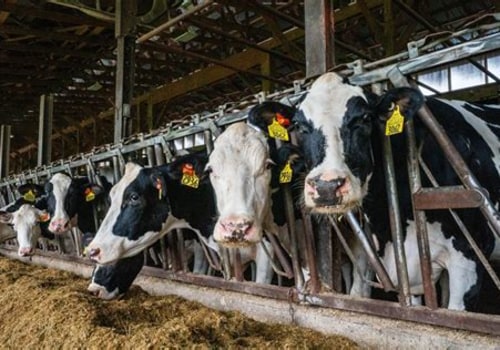
The dairy farming industry in the United States is a vital component of the agricultural sector, contributing significantly to the economy and food supply. As of the latest data, there are approximately 31,000 dairy farms operating across the country.This number reflects a steady decline from previous decades, where the U.S. boasted over 100,000 dairy farms in the 1970s.One of the key trends observed in recent years is the consolidation of dairy farms. Larger operations are becoming more common, with many small farms either merging or going out of business. For instance, the average size of a dairy farm has increased significantly, with many farms now housing over 1,000 cows.
This shift towards larger operations is driven by the need for increased efficiency and productivity to meet growing consumer demand.According to the U.S. Department of Agriculture (USDA), the total milk production in the U.S. has remained relatively stable, hovering around 220 billion pounds annually. This stability in production levels, despite the decrease in the number of farms, indicates that remaining farms are producing more milk per cow due to advancements in technology and farming practices.
- Key Statistics:
- Total number of dairy farms: 31,000
- Average herd size: 1,000 cows
- Total annual milk production: 220 billion pounds
These states have developed robust dairy farming infrastructures that support both large-scale operations and smaller family-owned farms.In conclusion, while the number of dairy farms in the U.S. continues to decline, the industry remains resilient. The focus on efficiency and productivity ensures that dairy farming will continue to play a crucial role in American agriculture for years to come.
Geographic Distribution of Dairy Farms
The geographic distribution of dairy farms in the United States is a reflection of both historical agricultural practices and modern economic factors. Dairy farming is concentrated in specific regions, primarily due to climate, soil quality, and proximity to markets.One of the leading states in dairy production is California , which has consistently ranked as the top producer of milk in the nation.The state's favorable climate and extensive agricultural infrastructure support a large number of dairy farms. Following California, Wisconsin , often referred to as "America's Dairyland," is renowned for its cheese production and has a significant number of dairy farms, particularly in the central and northern regions.Other notable states include:
- New York : Known for its diverse dairy products, New York ranks third in milk production.
- Texas : With a growing dairy industry, Texas has seen an increase in dairy farms, particularly in the western part of the state.
- Idaho : This state has rapidly expanded its dairy farming operations, becoming a key player in the national market.
- Pennsylvania : Home to many family-owned farms, Pennsylvania remains a significant contributor to the dairy sector.
Types of Dairy Farms in the U.S.
Dairy farming in the United States is a diverse industry, encompassing various types of operations that cater to different market needs and production scales.Understanding the classifications of dairy farms is essential for grasping the dynamics of this vital sector.
Family-Owned Dairy Farms
- Family-owned dairy farms are often characterized by their smaller scale and personal management style. These farms typically focus on quality over quantity, producing milk for local markets or specialty products.
- Many family farms have been passed down through generations, fostering a deep connection to the land and community. This tradition often results in sustainable practices that prioritize animal welfare and environmental stewardship.
Corporate Dairy Farms
- In contrast, corporate dairy farms tend to be larger operations that utilize advanced technology and industrial farming techniques. These farms often produce milk on a much larger scale, supplying major retailers and processors.
- Corporate farms may benefit from economies of scale, allowing them to reduce costs and increase efficiency.
However, they can also face criticism regarding their impact on local economies and the environment.
Mixed Operations
- Some dairy farms operate as mixed operations, combining dairy production with other agricultural activities such as crop farming or livestock raising. This diversification can help mitigate risks associated with market fluctuations.
- Mixed operations often allow farmers to utilize resources more efficiently, creating a sustainable model that can adapt to changing economic conditions.
Economic Impact of Dairy Farming
The dairy farming industry plays a crucial role in the economic landscape of the United States. With over 31,000 dairy farms operating across the country, this sector not only provides essential products but also significantly contributes to local and national economies.One of the most notable impacts of dairy farming is job creation.The industry supports approximately 3 million jobs, including those directly on farms and in related sectors such as processing, distribution, and retail. These jobs range from farm workers and milk processors to truck drivers and sales representatives, showcasing the diverse opportunities available within the dairy sector.In terms of revenue generation, the dairy industry contributes over $600 billion annually to the U.S. economy. This figure encompasses not only the sale of milk and dairy products but also the economic activity generated by ancillary services and businesses that rely on dairy farming.
For instance, feed suppliers, equipment manufacturers, and veterinary services all benefit from a thriving dairy sector.Moreover, dairy farming has a profound impact on local communities. Many rural areas depend on dairy farms as a primary source of income and employment. The presence of these farms helps sustain local businesses, from grocery stores to restaurants, creating a ripple effect that bolsters community development.In summary, the economic impact of dairy farming extends far beyond the farm gate. It is a vital component of the U.S.
economy that fosters job creation, generates substantial revenue, and supports local communities, making it an indispensable part of American agriculture.
Challenges Facing Dairy Farmers Today
Dairy farming in the United States faces a myriad of challenges that can significantly impact the livelihood of farmers and the sustainability of their operations. One of the most pressing issues is market fluctuations. Prices for milk and dairy products can vary widely due to changes in consumer demand, international trade policies, and competition from alternative milk sources. These fluctuations can create financial instability for dairy farmers, making it difficult to plan for the future.Another significant challenge is the growing concern over environmental impacts.Dairy farming is often scrutinized for its contribution to greenhouse gas emissions, water usage, and land degradation. Farmers are increasingly pressured to adopt more sustainable practices, such as reducing methane emissions from cows and managing manure more effectively. Implementing these practices can require substantial investment and changes in traditional farming methods.Additionally, sustainability in dairy farming is not just about environmental concerns; it also encompasses economic and social dimensions. Farmers must balance profitability with ethical considerations, such as animal welfare and community impact.
This balancing act can be particularly challenging in a competitive market where consumers are becoming more conscious of where their food comes from.To navigate these challenges, many dairy farmers are turning to technology and innovation. Precision agriculture tools, for example, allow farmers to monitor their herds more closely and optimize feed efficiency. Furthermore, collaborative efforts among farmers to share resources and knowledge can help mitigate some of the risks associated with dairy farming.In conclusion, while the landscape of dairy farming in the U.S. is fraught with challenges, there are also opportunities for growth and improvement.
By addressing market volatility, environmental concerns, and sustainability practices head-on, dairy farmers can work towards a more resilient future.
Future Trends in Dairy Farming
The future of dairy farming is poised for significant transformation, driven by a combination of technological advancements and evolving consumer preferences. As the industry adapts to these changes, several key trends are emerging that will shape the landscape of dairy farming in the coming years.Technological Innovations
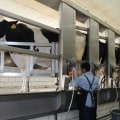
One of the most notable trends in the dairy industry is the integration of technology into everyday farming practices. Innovations such as:- Automated milking systems that enhance efficiency and reduce labor costs.
- Precision agriculture tools that utilize data analytics to optimize feed and health management.
- Blockchain technology for improved traceability and transparency in the supply chain.
Shifting Consumer Preferences
As consumers become more health-conscious and environmentally aware, their preferences are influencing dairy farming practices. There is a growing demand for:- Organic dairy products, which are perceived as healthier and more sustainable.
- Plant-based alternatives, prompting traditional dairy farms to explore diversification into non-dairy products.
- Sustainable practices, such as reduced carbon footprints and humane treatment of animals, which are becoming essential for brand loyalty.
The Role of Sustainability
Sustainability is not just a trend; it is becoming a core principle in dairy farming.Farmers are implementing:
- Renewable energy sources, such as solar panels, to power operations.
- Waste management systems that convert manure into biogas, reducing environmental impact.
- Water conservation techniques, ensuring efficient use of resources in production.
Frequently Asked Questions about Dairy Farming
Dairy farming is a vital part of the agricultural landscape in the United States, yet many people have questions and misconceptions about it. Here are some frequently asked questions that can help clarify common doubts.What is dairy farming?
Dairy farming involves the production of milk and other dairy products from cows, goats, sheep, and other animals. It encompasses various practices, including breeding, feeding, and milking, to ensure high-quality milk production.How many dairy farms are there in the U.S.?
As of recent statistics, there are approximately 31,000 dairy farms operating across the United States.This number has been gradually declining over the years due to factors such as consolidation and technological advancements in farming practices.
What are some common misconceptions about dairy farming?
- Dairy farms are all large-scale operations: While many dairy farms are indeed large, there are numerous small and family-owned farms that contribute significantly to local economies.
- Cows are kept in poor conditions: Many modern dairy farms prioritize animal welfare and adhere to strict regulations to ensure that cows are healthy and well-cared for.
- All dairy products are unhealthy: Dairy products can be part of a balanced diet when consumed in moderation. They provide essential nutrients like calcium and vitamin D.
What do dairy farmers do besides milking cows?
Dairy farmers engage in a variety of activities beyond milking. These include:- Feeding and nutrition: Ensuring that cows receive a balanced diet for optimal milk production.
- Breeding: Selecting the best animals for reproduction to improve herd quality.
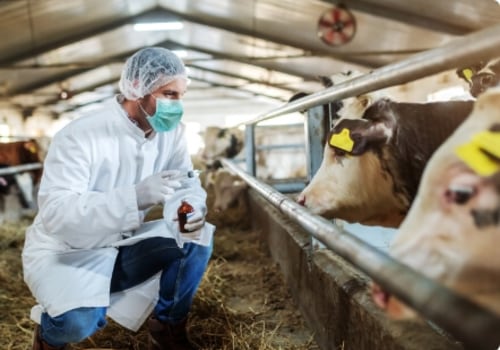
- Health management: Monitoring the health of the herd and providing veterinary care as needed.
Conclusion: The State of Dairy Farming in America
In conclusion, the landscape of dairy farming in the United States is both dynamic and complex. As we have explored, there are approximately 31,000 dairy farms across the nation, a number that has seen a significant decline over the past few decades.This reduction is largely attributed to the consolidation of farms and advancements in technology that allow fewer farms to produce more milk.The importance of dairy farming extends beyond just numbers; it plays a crucial role in the U.S. economy and food supply. Dairy products are a staple in American diets, contributing essential nutrients such as calcium and protein. Furthermore, the industry supports millions of jobs, from farm workers to those involved in processing and distribution.Looking ahead, the future of dairy farming in America will likely be shaped by several factors:
- Sustainability Practices: As consumers become more environmentally conscious, dairy farms are increasingly adopting sustainable practices to reduce their carbon footprint.
- Technological Innovations: Advances in technology, such as automated milking systems and data analytics, are enhancing productivity and efficiency.
- Market Trends: The demand for organic and specialty dairy products is on the rise, prompting farmers to adapt their production methods.
Farmers must remain adaptable to changing consumer preferences and regulatory environments. Additionally, policymakers should consider the challenges faced by dairy farmers, including fluctuating milk prices and competition from alternative milk sources.In summary, while the number of dairy farms may be decreasing, the significance of dairy farming remains steadfast. By recognizing the current state and future outlook of this vital industry, we can better appreciate its contributions to our economy and society.