Dairy farming is a cornerstone of the agricultural landscape in the United States, playing a pivotal role in both rural communities and the national economy. With over 40 states actively engaged in dairy production, this sector not only provides essential products like milk, cheese, and yogurt but also supports a vast network of jobs and services that contribute significantly to local and national economic health. The economic impact of dairy farming extends beyond the farm gate, influencing various industries including transportation, retail, and food processing. As one of the largest segments of U.S. agriculture, dairy farming generates billions of dollars in revenue each year.
This industry is vital for sustaining livelihoods, with thousands of farmers relying on dairy as their primary source of income. Moreover, the ripple effects of dairy farming can be seen in the creation of jobs in related sectors such as feed production, veterinary services, and equipment manufacturing. The importance of dairy farming is not just limited to its direct contributions; it also fosters community development and supports local economies through the purchase of goods and services. In addition to its economic significance, dairy farming embodies a rich cultural heritage that reflects the values of hard work and dedication prevalent in rural America. As we delve deeper into this topic, we will explore how dairy farmers are not only essential producers but also stewards of the land, contributing to sustainable practices that benefit both the economy and the environment.
Overview of the Dairy Farming Industry in the U.S.
The dairy farming industry is a vital component of the agricultural landscape in the United States, contributing significantly to both the economy and food supply.As of 2022, there are approximately 31,000 dairy farms operating across the country, with the majority located in key states such as California, Wisconsin, and New York. These states are known for their rich agricultural resources and favorable climates that support large-scale dairy production.In terms of production, the U.S. dairy industry is one of the largest in the world, producing over 200 billion pounds of milk annually. This impressive output not only meets domestic demand but also positions the U.S.
as a leading exporter of dairy products, including cheese, butter, and powdered milk. The economic impact of this industry is substantial; it generates approximately $39 billion in revenue each year.The dairy farming sector is characterized by a diverse range of operations, from small family-owned farms to large commercial enterprises. This diversity allows for a variety of products to be produced, catering to different market segments and consumer preferences. For instance:
- Fluid Milk: The most common product, consumed directly or used in various food products.
- Cheese: A significant portion of milk production is converted into cheese, making it one of the most valuable dairy products.
- Yogurt and Ice Cream: These products have seen increased popularity due to health trends and consumer demand for indulgent treats.
Many farms are adopting innovative methods to improve efficiency and reduce environmental impact, such as precision feeding and waste management systems.In summary, the dairy farming industry plays a crucial role in the U.S. economy through its production capabilities, job creation, and contributions to food security. As consumer preferences continue to evolve, the industry is poised to adapt and thrive in an ever-changing market.
Economic Contributions of Dairy Farmers
Dairy farming plays a crucial role in the economic landscape of the United States, contributing significantly to both local and national economies. The revenue generated by dairy farmers is substantial, with the industry accounting for approximately $39 billion annually.This revenue not only supports the farmers themselves but also stimulates various sectors within the economy.One of the most significant impacts of dairy farming is job creation. The dairy industry provides employment for over 3 million people across the country, including farm workers, processors, and distributors. These jobs are vital for rural communities, where dairy farms often serve as the backbone of local economies. The employment opportunities range from farm management to logistics and marketing, ensuring a diverse workforce.Moreover, dairy farmers contribute to the economy through their support of local businesses.
They purchase feed, equipment, and supplies from nearby suppliers, which helps sustain other local enterprises. This interconnectedness fosters a robust economic environment where money circulates within communities.Additionally, dairy farming has a ripple effect on related industries such as transportation and retail. The need to transport milk and dairy products creates demand for trucking services, while grocery stores and restaurants rely on dairy products to meet consumer needs. This synergy between dairy farming and other sectors amplifies its economic contributions.In summary, the economic contributions of dairy farmers extend far beyond their farms.
Through revenue generation, job creation, and support for local economies, they play an indispensable role in maintaining the vitality of the U.S. economy.
Dairy Farming's Role in Agriculture and Food Supply Chain
Dairy farming plays a crucial role in the overall agriculture sector of the United States, significantly contributing to the food supply chain. As one of the largest segments of American agriculture, dairy farming not only provides essential nutrients to consumers but also supports a vast network of related industries.In the context of the food supply chain, dairy products such as milk, cheese, and yogurt are staples in many households. The production of these items begins on dairy farms, where farmers employ sustainable practices to ensure high-quality output.This initial stage is vital, as it sets the foundation for the entire supply chain.
- Economic Impact: Dairy farming contributes billions to the U.S. economy, providing jobs not only on farms but also in processing plants, distribution centers, and retail.
- Local Economies: Many rural communities rely heavily on dairy farming for their economic stability. The presence of dairy farms can lead to increased local spending and job creation.
- Food Security: By producing a reliable source of nutrition, dairy farmers help ensure food security for millions of Americans. Dairy products are rich in calcium and protein, making them essential for a balanced diet.
Many dairy farmers are adopting advanced technologies to improve efficiency and reduce environmental impact. This commitment to sustainability not only benefits the environment but also enhances the quality and safety of dairy products.In summary, dairy farming is an integral part of the agricultural landscape in the United States. Its contributions to the economy, local communities, and food security underscore its importance within the broader food supply chain. As consumer demand for dairy products continues to grow, so too will the significance of dairy farming in supporting a resilient and sustainable food system.
Impact on Local Communities and Rural Development
Dairy farming plays a crucial role in supporting local communities and fostering rural development.The economic impact of dairy farms extends beyond the farm gates, influencing various aspects of community life.One of the most significant contributions of dairy farmers is the creation of jobs. Dairy farms require a diverse workforce, from farmhands to veterinarians, and this demand stimulates local employment opportunities. According to recent studies, each dairy farm can support multiple jobs in the surrounding area, including those in processing plants, transportation, and retail.
Economic Activity and Local Businesses
The presence of dairy farms also boosts local economies through increased spending. Dairy farmers purchase supplies such as feed, equipment, and veterinary services from local businesses, which helps sustain these enterprises.This interdependence fosters a vibrant local economy where money circulates within the community.
Community Engagement and Support
Dairy farmers often engage with their communities in meaningful ways. Many participate in local events, sponsor youth sports teams, and contribute to educational programs. This involvement not only strengthens community ties but also enhances the visibility of the dairy industry as a vital part of local culture.Moreover, dairy farmers are increasingly adopting sustainable practices that benefit both the environment and the community. By implementing eco-friendly farming techniques, they contribute to cleaner air and water, which is essential for public health and overall quality of life.In summary, the impact of dairy farming on local communities is profound.Through job creation, economic activity, and community engagement, dairy farmers play an essential role in fostering rural development and enhancing the well-being of their communities.
Challenges Facing Dairy Farmers and Economic Implications
Dairy farming in the United States plays a crucial role in the economy, but it is not without its challenges. Farmers face a myriad of economic challenges that can significantly impact their operations and profitability.Market Fluctuations
- The dairy market is highly volatile, with prices for milk and dairy products often fluctuating due to supply and demand dynamics.
- Factors such as changes in consumer preferences, international trade policies, and competition from alternative milk sources can lead to unpredictable income for dairy farmers.
Sustainability Issues
- Dairy farmers are increasingly pressured to adopt sustainable practices to meet consumer demand for environmentally friendly products.
- Implementing these practices often requires significant investment in new technologies and infrastructure, which can strain financial resources.
- Job Losses: A decline in dairy farming can result in job losses not only on farms but also in related industries such as processing and distribution.
- Rural Economic Decline: Many rural communities depend on dairy farming as a primary economic driver. Challenges faced by farmers can lead to reduced spending in these areas, affecting local businesses.
economy, the challenges it faces—ranging from market fluctuations to sustainability issues—pose significant risks that can have far-reaching economic implications. Addressing these challenges is essential for ensuring the long-term viability of the dairy industry and its contributions to the economy.
Future Trends in Dairy Farming and Economic Outlook
The future of dairy farming is poised for significant transformation, driven by advancements in technology, changing consumer preferences, and evolving environmental regulations. As the industry adapts to these changes, the economic outlook for dairy farmers will also shift, presenting both challenges and opportunities.Technological Innovations
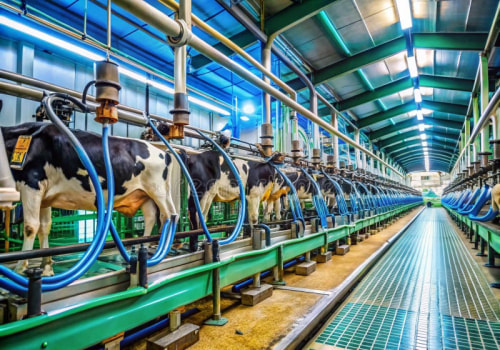
are at the forefront of this evolution. Precision agriculture tools, such as automated milking systems and data analytics, are enhancing productivity and efficiency on dairy farms.These technologies allow farmers to monitor herd health and optimize feed usage, ultimately leading to higher milk yields and reduced operational costs.Moreover, the rise of sustainable practices is reshaping the dairy landscape. Consumers are increasingly demanding products that are environmentally friendly and ethically produced. As a result, many dairy farmers are adopting practices that reduce their carbon footprint, such as improved manure management and renewable energy sources. This shift not only meets consumer expectations but can also lead to cost savings and new revenue streams.
Market Trends
indicate a growing interest in plant-based alternatives and organic dairy products.While traditional dairy remains a staple, the increasing popularity of these alternatives presents both competition and an opportunity for diversification. Dairy farmers who embrace innovation and adapt their product offerings may find new markets to explore.Looking ahead, the economic outlook for dairy farmers will depend on their ability to navigate these trends effectively. Those who invest in technology and sustainable practices are likely to thrive in a competitive market. Additionally, government policies aimed at supporting rural economies and promoting sustainable agriculture will play a crucial role in shaping the future of the dairy industry.In conclusion, as dairy farming evolves, so too will its impact on the economy of the United States.
By embracing change and focusing on sustainability, dairy farmers can not only secure their livelihoods but also contribute positively to the broader economic landscape.
FAQs About Dairy Farming and Its Economic Impact
As the dairy farming industry plays a crucial role in the economy of the United States, many people have questions about its impact and operations. Here are some frequently asked questions that shed light on this vital sector.What is the economic contribution of dairy farming?
The dairy farming sector contributes significantly to the U.S. economy, generating over $39 billion annually. This figure includes not only the sale of milk and dairy products but also the jobs created in related industries such as processing, transportation, and retail.How many jobs does dairy farming create?
Dairy farming supports approximately 3 million jobs across the country.These jobs range from farm workers to those involved in logistics, marketing, and sales of dairy products.
What are the environmental impacts of dairy farming?
While dairy farming is essential for economic growth, it also raises concerns about environmental sustainability. Farmers are increasingly adopting practices to reduce greenhouse gas emissions and improve water quality, such as:- Implementing rotational grazing
- Utilizing manure management systems
- Investing in renewable energy sources
How does dairy farming affect local communities?
Dairy farms often serve as a backbone for rural communities, providing not just jobs but also supporting local businesses. The presence of a dairy farm can lead to:- Increased demand for local services and supplies
- Enhanced community engagement through local events and sponsorships
- Stability in rural economies by maintaining population levels
What challenges do dairy farmers face?
Dairy farmers encounter various challenges that can impact their economic contributions, including:- Market volatility: Fluctuations in milk prices can affect profitability.
- Regulatory pressures: Compliance with environmental regulations can be costly.
- Labor shortages: Finding skilled labor remains a persistent issue.
Conclusion: The Vital Role of Dairy Farmers in the U.S.
EconomyIn conclusion, dairy farming plays an indispensable role in the economic landscape of the United States. Throughout this article, we have explored various facets of how dairy farmers contribute not only to local economies but also to the national economy as a whole. Firstly, the dairy industry supports millions of jobs across the country, from farm workers to those involved in processing and distribution. This extensive network ensures that communities thrive and that families have stable employment opportunities. Moreover, dairy farming significantly contributes to the agricultural sector's overall output. The production of milk and dairy products generates substantial revenue, which circulates through local economies, benefiting various businesses and services. Additionally, dairy farmers are pivotal in promoting sustainable agricultural practices.
By adopting innovative techniques and technologies, they enhance productivity while minimizing environmental impact. This commitment not only secures their livelihoods but also supports the broader goal of sustainable food production. Furthermore, the nutritional value of dairy products cannot be overlooked. They provide essential nutrients that contribute to public health, making dairy farming a critical component of food security in the U.S.In summary, the contributions of dairy farmers extend far beyond mere milk production. Their efforts bolster economic stability, create jobs, promote sustainability, and enhance public health.
As we look to the future, recognizing and supporting dairy farming will be vital for maintaining a robust economy and ensuring food security for generations to come.