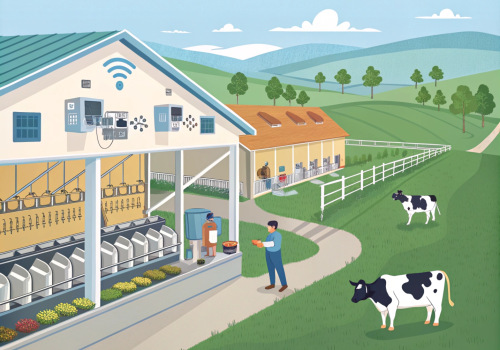
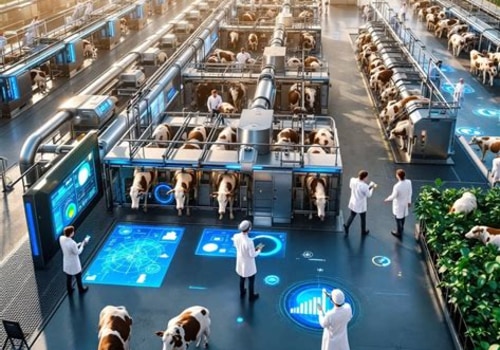
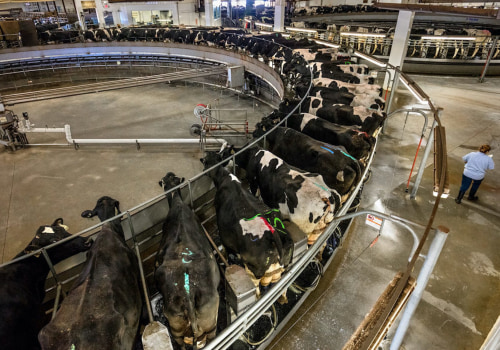
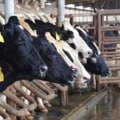
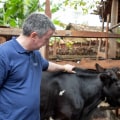
Dairy farming is a significant agricultural practice that plays a crucial role in the global food system. It involves the breeding and management of dairy cattle for the production of milk and other dairy products, which are staples in many diets around the world. As one of the most prevalent forms of livestock farming, dairy operations can be found in various settings, from small family-run farms to large industrial complexes. Understanding the environmental impacts of dairy farming is essential for consumers, policymakers, and environmental advocates alike, as it directly influences sustainability efforts and food security. The environmental footprint of dairy farming is multifaceted, encompassing issues such as greenhouse gas emissions, water usage, and land degradation.
For instance, methane emissions from cattle contribute significantly to climate change, while intensive farming practices can lead to soil erosion and nutrient runoff into waterways. These challenges highlight the need for sustainable practices within the industry to mitigate adverse effects on our planet. As consumers become more aware of these issues, there is a growing demand for transparency and accountability in how dairy products are sourced. Moreover, understanding the environmental significance of dairy farming is not just about recognizing its challenges; it also opens up discussions about innovative solutions. From regenerative agriculture techniques to improved feed efficiency and waste management systems, there are numerous ways to enhance sustainability in dairy production.
By exploring these aspects, we can better appreciate the balance between meeting nutritional needs and protecting our environment for future generations.
Greenhouse Gas Emissions from Dairy Farming
Dairy farming is a significant contributor to greenhouse gas emissions, primarily through the release of methane, a potent greenhouse gas that has a much higher heat-trapping ability than carbon dioxide over a short time frame. Methane is produced during the digestive process of cows, known as enteric fermentation, and is released into the atmosphere when cows burp. This process accounts for approximately 30% of the total greenhouse gas emissions from the dairy sector.In addition to methane, dairy farms also contribute to emissions of nitrous oxide, another powerful greenhouse gas. This gas is primarily released from manure management practices and the application of nitrogen-based fertilizers.The combination of these gases significantly increases the carbon footprint of dairy farming operations.The impact of these emissions on climate change is profound. According to recent studies, dairy farming contributes about 2% to 3% of global greenhouse gas emissions. This may seem small compared to other industries, but it is crucial to consider that the livestock sector as a whole is responsible for around 14.5% of all human-induced emissions, with dairy being a substantial part of that figure.To mitigate these environmental impacts, several strategies can be employed:
- Improved Feed Efficiency: Enhancing the quality of feed can reduce methane production during digestion.
- Manure Management: Implementing better manure management practices can decrease nitrous oxide emissions.
- Breeding Programs: Selecting for breeds that produce less methane can also be beneficial.
- Alternative Practices: Exploring plant-based diets or reducing overall dairy consumption can lessen demand and subsequently lower emissions.
Water Usage and Pollution in Dairy Farming
Dairy farming is a water-intensive industry, requiring significant amounts of water for various processes, including animal hydration, feed crop irrigation, and cleaning facilities.On average, it takes about 1,000 gallons of water to produce just one gallon of milk. This high demand for water raises concerns about water scarcity, particularly in regions where water resources are already limited.In addition to the sheer volume of water used, dairy farming can also contribute to water pollution. Runoff from dairy farms often contains nutrients such as nitrogen and phosphorus from fertilizers and manure. When these substances enter nearby water bodies, they can lead to eutrophication, a process that depletes oxygen in the water and harms aquatic life.
Key Factors Contributing to Water Pollution:
- Manure Management: Improper storage and application of manure can result in runoff during rain events, contaminating local waterways.
- Pesticides and Fertilizers: The use of chemical inputs in feed crop production can leach into groundwater or run off into surface waters.
- Soil Erosion: Intensive grazing and land management practices can lead to soil erosion, which carries pollutants into streams and rivers.
Sustainable practices, such as improved manure management systems and precision irrigation techniques, are essential to mitigate these effects. By adopting such measures, dairy farmers can help protect vital water resources while maintaining their productivity.
Land Use and Biodiversity Loss Due to Dairy Farming
Dairy farming significantly impacts land use and contributes to biodiversity loss through various mechanisms. As the demand for dairy products increases, more land is converted into pastures and feed crop fields, leading to substantial changes in land use patterns.Land Use Changes
- In many regions, forests and natural habitats are cleared to make way for dairy farms, resulting in habitat destruction.
- The conversion of grasslands into intensive dairy operations often leads to soil degradation and erosion, further diminishing the land's ecological value.
- Large-scale dairy farming operations require significant amounts of feed, which necessitates the cultivation of crops like corn and soybeans, further encroaching on natural ecosystems.
- Decline in Species Populations: Many species that rely on specific habitats for food and shelter face population declines or even extinction.
- Invasive Species Proliferation: Altered landscapes can favor invasive species that outcompete native flora and fauna, further threatening biodiversity.
- Water Quality Issues: Runoff from dairy farms can lead to nutrient pollution in nearby water bodies, affecting aquatic ecosystems and the species that inhabit them.
Addressing these issues requires sustainable practices that balance dairy production with environmental stewardship.
Soil Degradation and Nutrient Runoff in Dairy Operations
Dairy farming, while essential for food production, poses significant challenges to soil health and water quality. One of the primary concerns is soil degradation, which occurs when intensive farming practices strip the land of its nutrients and structure. Overgrazing by dairy cattle can lead to compaction and erosion, reducing the soil's ability to retain moisture and support plant life.Moreover, the application of synthetic fertilizers and manure in large quantities can result in nutrient runoff. This runoff carries excess nitrogen and phosphorus into nearby waterways, leading to problems such as algal blooms and dead zones.These blooms deplete oxygen levels in the water, harming aquatic life and disrupting local ecosystems.To mitigate these issues, many dairy operations are adopting sustainable practices. These include:
- Rotational grazing: This method allows pastures to recover, promoting healthier soil and reducing erosion.
- Cover cropping: Planting cover crops during off-seasons helps maintain soil structure and prevent nutrient loss.
- Integrated nutrient management: Utilizing a combination of organic and inorganic fertilizers can optimize nutrient use while minimizing runoff.
- Buffer strips: Establishing vegetated areas along waterways can filter out pollutants before they enter aquatic systems.
Animal Welfare Concerns in Dairy Farming Practices
The ethical concerns surrounding dairy farming are increasingly coming to the forefront as consumers become more aware of animal welfare issues. The treatment of dairy cows in various farming systems can significantly impact not only the animals themselves but also the broader environmental outcomes associated with dairy production.In many factory farming operations, cows are often kept in confined spaces, which can lead to a range of welfare issues.These include:
- Limited Space: Cows in intensive systems may have little room to move, which can cause stress and physical ailments.
- Lack of Natural Behavior: The inability to engage in natural behaviors, such as grazing and socializing, can lead to psychological distress.
- Health Problems: High milk production demands can result in health issues like mastitis and lameness, further compromising animal welfare.
- Water Pollution: Runoff from dairy farms can lead to nutrient loading in waterways, causing algal blooms that deplete oxygen and harm aquatic life.
- Greenhouse Gas Emissions: Intensive dairy farming practices contribute to methane emissions, a potent greenhouse gas that exacerbates climate change.
Practices such as pasture-based systems and improved herd management can enhance the quality of life for dairy cows while also mitigating some of the negative environmental impacts associated with traditional dairy farming methods. By prioritizing animal welfare, we can work towards a more ethical and environmentally friendly approach to dairy production.
Sustainable Alternatives to Conventional Dairy Farming
As the environmental impacts of dairy farming become increasingly evident, the need for sustainable alternatives has never been more pressing. Transitioning to sustainable dairy practices not only helps mitigate these impacts but also promotes a healthier ecosystem.Sustainable dairy farming
focuses on methods that reduce greenhouse gas emissions, conserve water, and enhance soil health. One effective approach is the implementation of organic dairy practices.These practices emphasize the use of natural fertilizers, crop rotation, and the avoidance of synthetic pesticides and herbicides. By fostering biodiversity on farms, organic methods can improve soil structure and fertility, leading to healthier pastures and livestock.Another promising strategy is regenerative agriculture, which goes beyond sustainability by actively restoring ecosystems. This approach includes:
- Holistic grazing management: This technique involves rotating livestock through different pastures to prevent overgrazing and promote grass regrowth.
- Cover cropping: Planting cover crops during off-seasons helps prevent soil erosion, enhances soil organic matter, and improves water retention.
- Agroforestry: Integrating trees into dairy farming systems can provide shade for animals, improve biodiversity, and sequester carbon.
By prioritizing ecological balance, farmers can contribute to a healthier planet while still meeting the demand for dairy products.
Consumer Choices and Their Impact on Dairy Farming Practices
The choices consumers make regarding dairy products play a crucial role in shaping the practices of dairy farming. As awareness of environmental issues grows, many individuals are seeking to align their purchasing decisions with their values, particularly concerning sustainability and ethical consumption.One significant way consumers can influence dairy farming is by opting for products that are certified organic or come from farms that prioritize animal welfare. These products often reflect more sustainable practices, such as reduced use of synthetic fertilizers and pesticides, as well as better living conditions for livestock. By choosing these options, consumers send a clear message to producers about the demand for more responsible farming methods.Additionally, the rise of plant-based alternatives has prompted many traditional dairy farms to reconsider their practices.As more people explore sustainable food choices, including almond milk, oat milk, and soy yogurt, dairy farmers are increasingly adopting innovative techniques to reduce their environmental footprint. This shift not only benefits the planet but also encourages farmers to diversify their operations.Moreover, consumer education plays a vital role in promoting ethical consumption. Understanding the implications of dairy farming on the environment can lead to more informed choices. Here are some ways consumers can make a positive impact:
- Research brands: Look for companies that prioritize sustainability and ethical practices.
- Support local farms: Purchasing from local dairy producers can reduce transportation emissions and support community economies.
- Reduce consumption: Consider decreasing overall dairy intake or incorporating more plant-based options into your diet.
By making informed decisions and supporting sustainable options, individuals can contribute to a more environmentally friendly food system while promoting ethical treatment of animals.
FAQs About the Environmental Impacts of Dairy Farming
Understanding the environmental impacts of dairy farming is crucial for consumers and producers alike. Here are some frequently asked questions that shed light on this important topic:- What are the main environmental concerns associated with dairy farming?The primary environmental concerns include greenhouse gas emissions, water usage, land degradation, and pollution from manure management. Dairy cows produce methane, a potent greenhouse gas, during digestion, contributing significantly to climate change.
- How does dairy farming affect water resources?Dairy farming requires substantial amounts of water for both the animals and crop production. This can lead to depletion of local water sources, especially in regions where water is already scarce.
Additionally, runoff from dairy farms can contaminate nearby water bodies with nutrients and pathogens.
- Is all dairy farming equally harmful to the environment?No, the environmental impact varies significantly based on farming practices. Sustainable dairy farming methods, such as rotational grazing and integrated crop-livestock systems, can mitigate negative effects and promote biodiversity.
- What role does manure management play in environmental impacts?Improper manure management can lead to nutrient runoff into waterways, causing algal blooms and harming aquatic ecosystems. Effective manure management practices are essential to minimize these risks.
- Can consumers make a difference regarding dairy farming practices?Yes! By choosing products from farms that prioritize sustainable practices, consumers can support environmentally friendly dairy farming. Look for certifications like organic or grass-fed that indicate better environmental stewardship.
Conclusion: The Path Forward for Sustainable Dairy Farming
In conclusion, the environmental impacts of dairy farming are significant and multifaceted, affecting air quality, water resources, and biodiversity.As we have explored throughout this article, the challenges posed by greenhouse gas emissions, nutrient runoff, and land use changes necessitate a shift towards more sustainable practices within the industry.To mitigate these impacts, it is essential for dairy farmers to adopt innovative strategies that prioritize environmental stewardship. Some of these strategies include:
- Improved manure management: Implementing systems that reduce methane emissions and enhance nutrient recycling can significantly lower the carbon footprint of dairy operations.
- Precision feeding: Tailoring feed formulations to meet the specific nutritional needs of dairy cows can minimize waste and reduce nitrogen excretion.
- Water conservation techniques: Utilizing advanced irrigation methods and recycling water can help preserve this vital resource while maintaining productivity.
- Agroecological practices: Integrating crop and livestock systems can enhance biodiversity and improve soil health, leading to more resilient farming systems.
By embracing sustainability, the dairy industry can ensure its viability for future generations while protecting our planet's health.