Dairy farming is a vital component of the agricultural landscape, providing a significant source of nutrition and economic stability for communities around the world. This practice involves the breeding and management of dairy cattle to produce milk, which is then processed into various products such as cheese, yogurt, and butter. As consumer awareness about food sources and production methods grows, the distinction between organic dairy farming and conventional dairy farming has become increasingly important. In conventional dairy farming, farmers typically rely on established agricultural practices that prioritize high yields and efficiency. This often includes the use of synthetic fertilizers, pesticides, and antibiotics to enhance production and manage herd health.
While this method can lead to lower prices for consumers and greater availability of dairy products, it raises questions about sustainability and animal welfare. On the other hand, organic dairy farming emphasizes natural processes and animal welfare. Farmers who adopt organic practices avoid synthetic chemicals and focus on providing their cows with a diet that is free from genetically modified organisms (GMOs) and artificial additives. This approach not only aims to produce healthier milk but also seeks to promote environmental sustainability by maintaining soil health and biodiversity. Understanding these differences is crucial for consumers who wish to make informed choices about the dairy products they purchase.
What is Conventional Dairy Farming?
Conventional dairy farming is a widely practiced method of milk production that has evolved over the years to meet the growing demand for dairy products.This approach typically involves large-scale operations that prioritize efficiency and productivity, often utilizing advanced technology and specific management practices.Historically, conventional dairy farming emerged in the early 20th century as a response to the increasing urban population and the need for a reliable food supply. As agricultural practices advanced, farmers began to adopt methods that allowed for higher yields and better herd management.
Common Practices in Conventional Dairy Farming
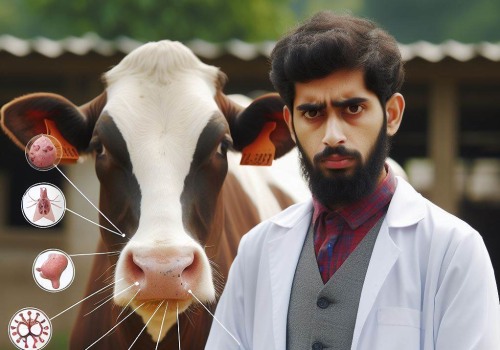
- Use of Hormones and Antibiotics: Many conventional dairy farms administer hormones to increase milk production and antibiotics to prevent disease among cattle. This practice raises concerns about potential residues in milk and impacts on animal welfare.
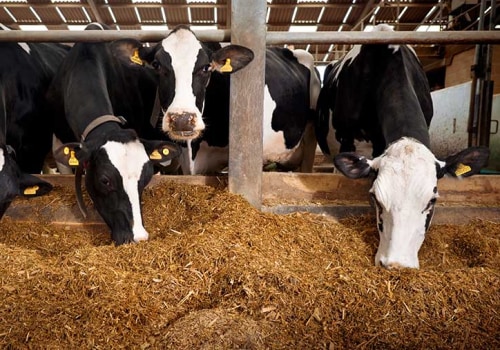
- Feed Composition: Cows are often fed a diet that includes grains, silage, and commercial feed supplements designed to maximize milk output. This diet can differ significantly from the natural grazing patterns of dairy cattle.
- Intensive Breeding: Conventional farms frequently utilize artificial insemination techniques to breed high-yielding dairy cows, focusing on genetic traits that enhance milk production.
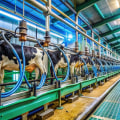
- Milking Technology: The use of automated milking systems and bulk tanks allows for efficient collection and storage of milk, reducing labor costs and improving hygiene standards.
However, this efficiency often comes at the expense of animal welfare and environmental sustainability, leading to ongoing debates about the future of dairy farming practices.
What is Organic Dairy Farming?
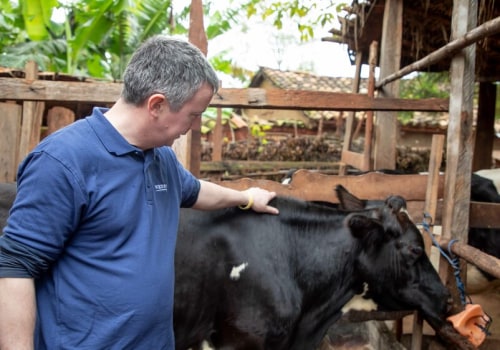
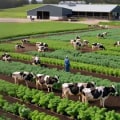
Organic dairy farming is a method of milk production that emphasizes the use of natural processes and sustainable practices. This approach not only focuses on the health and welfare of the animals but also aims to protect the environment and promote biodiversity. In organic dairy farming, cows are typically raised on pasture, allowing them to graze freely, which is essential for their well-being and contributes to the quality of the milk produced.The principles of organic dairy farming are rooted in strict regulations that govern how farms operate. These regulations often include:- No synthetic pesticides or fertilizers: Organic farmers avoid using chemical inputs that can harm the ecosystem.
- Non-GMO feed: Cows are fed organic feed that is free from genetically modified organisms, ensuring a natural diet.
- Animal welfare: Organic standards require that animals have access to outdoor spaces, promoting their natural behaviors and overall health.
- Soil health: Practices such as crop rotation and cover cropping are employed to maintain soil fertility and prevent erosion.
This growth can be attributed to a rising awareness of health issues associated with conventional farming practices, as well as a desire for more environmentally friendly options. Consumers are increasingly seeking products that align with their values, leading many dairy farmers to transition to organic methods.Overall, organic dairy farming represents a holistic approach to agriculture that prioritizes sustainability, animal welfare, and consumer health. As more people become conscious of where their food comes from, the popularity of organic dairy continues to rise, shaping the future of the dairy industry.
Key Differences Between Organic and Conventional Dairy Farming
When comparing organic and conventional dairy farming, several key differences emerge that impact animal welfare, environmental sustainability, and consumer health.Animal Welfare
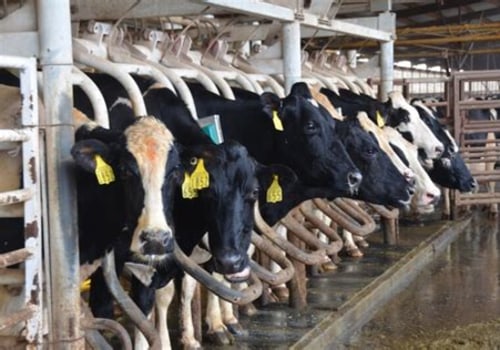
In organic dairy farming, there is a strong emphasis on animal welfare. Cows are typically given access to pasture, allowing them to engage in natural behaviors.This practice not only promotes better health but also enhances the quality of milk produced. In contrast, conventional dairy farms often utilize confined feeding operations, which can limit the animals' movement and natural behaviors.
Feed Sources
Another significant difference lies in the feed sources used. Organic dairy farms are required to provide cows with organic feed, which is free from synthetic pesticides and fertilizers. This ensures that the cows consume a diet that is more aligned with their natural needs.Conventional dairy farms, however, may use genetically modified organisms (GMOs) and non-organic feed, which can include additives and chemicals.
Use of Chemicals
Conventional dairy farming often relies on antibiotics and growth hormones to enhance milk production and prevent disease. While this can lead to higher yields, it raises concerns about antibiotic resistance and potential residues in milk. Organic dairy farming prohibits the use of these substances, focusing instead on preventive health measures and natural remedies.Environmental Impact
The environmental impact of these two farming methods also varies significantly. Organic dairy farms tend to promote biodiversity and soil health through sustainable practices such as crop rotation and reduced chemical inputs.Conversely, conventional dairy farming can contribute to soil degradation and water pollution due to runoff from fertilizers and pesticides.
Production Practices
Finally, production practices differ markedly between the two systems. Organic dairy farms must adhere to strict regulations set by certifying bodies, ensuring transparency and sustainability in their operations. Conventional farms may not face the same level of scrutiny, leading to variations in practices that can affect both product quality and environmental stewardship. In summary, while both organic and conventional dairy farming aim to produce milk, their approaches differ significantly in terms of animal welfare, feed sources, chemical use, environmental impact, and production practices. Understanding these differences can help consumers make informed choices about the dairy products they purchase.Animal Welfare Considerations
Animal welfare is a critical aspect of dairy farming, influencing both the ethical considerations and the quality of milk produced.The approaches to animal welfare in organic and conventional dairy farming differ significantly, reflecting their underlying philosophies and practices.
Organic Animal Welfare Standards
In organic dairy farming, animal welfare is prioritized through stringent regulations that ensure cows are raised in a more natural environment. Key aspects include:- Access to Pasture: Organic standards require that cows have access to pasture for a minimum number of days per year, allowing them to engage in natural behaviors.
- Feed Quality: Cows are fed organic feed, free from synthetic pesticides and fertilizers, which contributes to their overall health and well-being.
- No Antibiotics or Hormones: Organic farms prohibit the use of antibiotics and growth hormones, promoting a healthier herd.
Conventional Animal Welfare Standards
Conversely, conventional dairy farming often prioritizes production efficiency over animal welfare. While there are regulations in place, they may not be as comprehensive as those in organic systems. Key points include:- Housing Conditions: Cows may be kept in confined spaces, such as barns or feedlots, which can limit their ability to move freely.
- Use of Antibiotics: Conventional farms frequently use antibiotics to prevent disease in crowded conditions, which can lead to antibiotic resistance.
- Nutritional Practices: Cows may be fed non-organic feed that includes additives and by-products, potentially impacting their health.
Consumers increasingly seek transparency regarding how their food is produced, making it essential for both systems to continually evaluate and improve their animal welfare standards.
Environmental Impact of Dairy Farming Practices
The environmental impact of dairy farming practices is a critical consideration in the ongoing debate between organic and conventional dairy farming. Each method has distinct implications for land use, water consumption, and greenhouse gas emissions.Land Use:
Organic dairy farms typically require more land than conventional farms. This is largely due to the need for rotational grazing and the absence of synthetic fertilizers, which can enhance soil fertility. As a result, organic farms may have lower stocking densities, allowing for better animal welfare but potentially leading to greater land use overall.
Water Consumption:
Water usage is another significant factor.
Conventional dairy farming often relies on intensive irrigation practices and feed crops that demand substantial water resources. In contrast, organic farms tend to utilize more sustainable practices, such as rainwater harvesting and planting cover crops that improve soil moisture retention. This can lead to reduced overall water consumption.
Greenhouse Gas Emissions:
When it comes to greenhouse gas emissions, conventional dairy farming is often criticized for its higher output of methane and nitrous oxide due to concentrated animal feeding operations (CAFOs). These systems can lead to significant emissions from manure management and feed production.
Organic dairy farms, while not entirely free from emissions, generally produce lower levels due to their emphasis on pasture-based systems and reduced reliance on synthetic inputs.In summary, while both organic and conventional dairy farming have their environmental challenges, organic practices tend to promote greater sustainability through improved land management, reduced water usage, and lower greenhouse gas emissions. Understanding these differences is essential for consumers who wish to make informed choices about the dairy products they purchase.
Consumer Perceptions and Market Trends
In recent years, consumer perceptions of dairy farming have undergone significant changes, particularly regarding the distinction between organic and conventional dairy. Many consumers are increasingly prioritizing health, sustainability, and animal welfare in their purchasing decisions. This shift has led to a growing preference for organic dairy products, which are often perceived as healthier and more environmentally friendly.According to various market studies, the demand for organic dairy has surged, with sales outpacing those of conventional dairy products.This trend can be attributed to several factors:
- Health Consciousness: Consumers are more aware of the potential health benefits associated with organic dairy, such as the absence of synthetic hormones and antibiotics.
- Sustainability: Organic dairy farming practices are often viewed as more sustainable, promoting biodiversity and reducing chemical runoff into water systems.
- Animal Welfare: Many consumers believe that organic farming methods provide better living conditions for dairy cows, which influences their purchasing choices.
As a result, consumers now have greater access to a variety of organic options, further fueling the trend.In conclusion, the evolving landscape of consumer perceptions regarding dairy farming highlights a significant shift towards organic products. This trend is reshaping the market dynamics and prompting both types of dairy farmers to reconsider their strategies in order to meet changing consumer expectations.
FAQs About Dairy Farming Practices
Understanding the differences between organic and conventional dairy farming can be complex, and many people have questions about these practices. Here are some frequently asked questions that can help clarify common misconceptions:What is the main difference between organic and conventional dairy farming?
The primary difference lies in the methods used for raising cows and producing milk.Organic dairy farming
prohibits the use of synthetic fertilizers, pesticides, and antibiotics, while conventional dairy farming may utilize these substances to enhance production and manage health issues.Are organic dairy products healthier than conventional ones?
Many consumers believe that organic dairy products are healthier due to the absence of synthetic additives.However, research shows that both organic and conventional milk provide similar nutritional benefits. The choice often comes down to personal preference regarding farming practices.
How are the cows treated differently in organic vs. conventional systems?
- Organic farms typically provide cows with access to pasture, allowing them to graze naturally.
- Conventional farms may keep cows in confined spaces, focusing on maximizing milk production.
- Cows on organic farms are often fed organic feed, which is free from genetically modified organisms (GMOs).
Do organic dairy farms have higher production costs?
Yes, organic dairy farming generally incurs higher production costs due to stricter regulations and lower yields. These costs often translate into higher prices for consumers.Can conventional dairy farms transition to organic?
Yes, conventional dairy farms can transition to organic practices, but they must adhere to a strict set of guidelines and undergo a certification process that can take several years.This section aims to provide clarity on some of the most common questions surrounding dairy farming, helping consumers make informed choices about the products they purchase.Conclusion: The Future of Dairy Farming
As we reflect on the differences between organic and conventional dairy farming, it becomes clear that both methods have their unique advantages and challenges.The choice between these two approaches often hinges on consumer preferences, environmental considerations, and economic viability.
Organic dairy farming
emphasizes sustainability, animal welfare, and the use of natural inputs. This method appeals to a growing segment of consumers who prioritize health and environmental impact. As awareness of these issues increases, the demand for organic products is expected to rise, potentially leading to more farmers transitioning to organic practices.On the other hand, conventional dairy farming remains a cornerstone of the industry due to its efficiency and ability to meet large-scale demand. With advancements in technology and farming practices, conventional farms are becoming more sustainable, incorporating better animal welfare standards and reducing their carbon footprint.Future Trends in Dairy Farming
- Technological Innovations: The integration of technology in both organic and conventional systems is likely to enhance productivity and sustainability.
Innovations such as precision farming, automated milking systems, and data analytics will play a crucial role.
- Consumer Preferences: As consumers become more informed about food sources, there will be a continued shift towards transparency in dairy production. This may lead to hybrid models that combine the best practices of both organic and conventional methods.
- Sustainability Initiatives: Both sectors are increasingly focusing on reducing their environmental impact. Initiatives aimed at improving soil health, water conservation, and greenhouse gas emissions will shape the future landscape of dairy farming.
The path forward will require collaboration among farmers, consumers, and policymakers to ensure a sustainable and resilient dairy industry.