Dairy farming is a vital component of the agricultural landscape, playing a crucial role in providing one of the most consumed food products worldwide: milk. This industry not only supports the nutritional needs of millions but also contributes significantly to the economy, creating jobs and sustaining rural communities. Despite its importance, dairy farming is often surrounded by a cloud of misconceptions that can distort public perception and understanding. Many people hold inaccurate beliefs about how dairy farms operate, the treatment of animals, and the environmental impact of dairy production. These misconceptions can lead to misguided opinions and policies that may not reflect the realities of modern dairy farming practices.
For instance, some may think that all dairy farms are large-scale operations that prioritize profit over animal welfare, while in reality, many small and medium-sized farms focus on sustainable practices and ethical treatment of their livestock. As we delve deeper into the world of dairy farming, it is essential to address these common myths and provide factual information. Understanding the true nature of dairy farming not only helps consumers make informed choices but also fosters a greater appreciation for the hard work and dedication that goes into producing high-quality dairy products. By dispelling these misconceptions, we can promote a more accurate narrative about the industry and its contributions to society.
Misconception 1: Dairy Cows Are Always Milked Daily
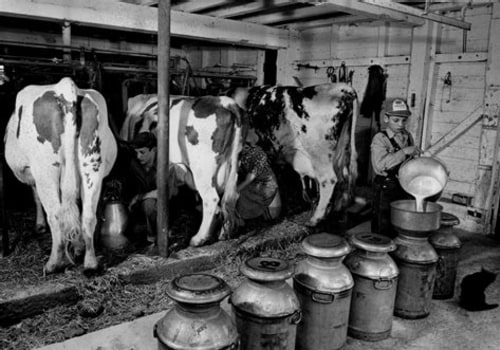
One of the most prevalent misconceptions about dairy farming is the belief that all dairy cows are milked every day without exception. While it is true that many dairy farms operate on a daily milking schedule, the reality is more nuanced and depends on various factors including cow health, farm practices, and production goals.Dairy Cow Milking Schedule
- Most commercial dairy farms do milk their cows on a regular basis, typically two to three times a day.
This routine is designed to maximize milk production while ensuring the health and comfort of the cows.
- However, not all cows are milked daily. For instance, heifers (young female cows) may not be milked until they reach maturity, and dry cows (cows that are not currently producing milk) are given a break from milking for several weeks before calving.
Dairy Cow Care
- The health of the cow is paramount in dairy farming. Farmers monitor their cows closely and adjust milking schedules based on individual health needs. If a cow is sick or recovering from calving, she may be milked less frequently or not at all.
- Additionally, stress management plays a crucial role in milking practices.
Cows that are stressed or uncomfortable may produce less milk, prompting farmers to adapt their milking routines accordingly.
Milking Practices
- Modern technology has also influenced milking practices. Automated milking systems allow cows to be milked at their own pace, which can lead to improved animal welfare and better overall health.
- Farmers often implement rotational grazing and other sustainable practices that can affect how often cows are brought in for milking.
Misconception 2: Dairy Farming Is Harmful to Cows
One of the most prevalent misconceptions about dairy farming is the belief that it is inherently harmful to cows. This notion often stems from a lack of understanding of modern dairy farming practices and the significant advancements made in animal welfare.In reality, many dairy farmers prioritize the health and well-being of their cows, implementing practices that ensure a high quality of life.For instance, cows are provided with:
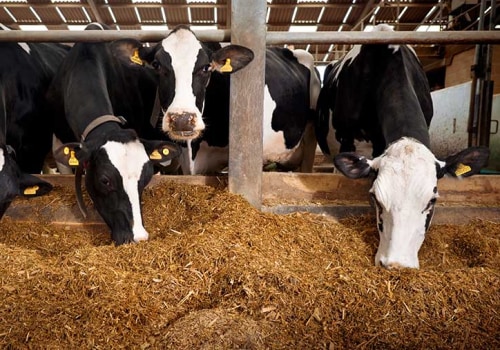
- Comfortable living conditions: Modern dairy farms often feature spacious barns with proper ventilation, bedding, and access to outdoor pastures, allowing cows to roam freely.
- Regular veterinary care: Farmers work closely with veterinarians to monitor the health of their herds, ensuring that any medical needs are promptly addressed.
- Nutrition management: Dairy cows receive balanced diets tailored to their nutritional needs, which helps maintain their health and productivity.
- Sustainable practices: This includes rotational grazing and organic farming methods that benefit both the environment and animal welfare.
- Transparency: Many dairy farms now provide consumers with information about their practices, allowing for informed choices regarding dairy products.
Misconception 3: All Dairy Farms Are Large-Scale Operations
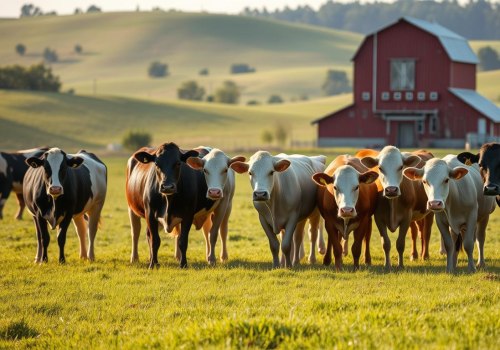
One of the most prevalent misconceptions about dairy farming is that all operations are large-scale, industrialized farms. In reality, the landscape of dairy farming is incredibly diverse, encompassing a wide range of farm sizes and types.Small and family-owned dairy farms
play a crucial role in the agricultural ecosystem.These farms often prioritize sustainable practices and animal welfare, providing high-quality milk while maintaining a close connection to their communities. Many small dairy farms are family-owned, passed down through generations, and they contribute significantly to local economies.While large-scale operations can produce milk at a lower cost due to economies of scale, small farms often focus on niche markets, such as organic or specialty dairy products. This allows them to cater to consumers looking for unique offerings that may not be available from larger producers.
- Types of Dairy Farms:
- Conventional Dairy Farms: Typically larger operations that focus on maximizing production efficiency.
- Organic Dairy Farms: Smaller farms that adhere to strict organic standards, often emphasizing animal welfare and environmental sustainability.
- Artisanal Dairy Farms: Family-owned operations that produce specialty cheeses, yogurts, and other dairy products with a focus on quality over quantity.
Recognizing this diversity helps dispel the myth that all dairy farms operate on a massive scale.
Misconception 4: Dairy Farming Contributes Significantly to Climate Change
One of the most prevalent misconceptions about dairy farming is that it significantly contributes to climate change. While it is true that dairy farming, like many agricultural practices, has an environmental impact, the narrative is often oversimplified. In reality, the contribution of dairy farming to greenhouse gas emissions is complex and varies widely based on farming practices, regional differences, and technological advancements.According to research, dairy farming accounts for approximately 2% to 4% of total greenhouse gas emissions in the United States. This figure is considerably lower than emissions from other sectors such as transportation and energy production.Furthermore, advancements in sustainable dairy practices are helping to mitigate these emissions. For instance:
- Improved Feed Efficiency: Modern dairy farms are adopting better feed management strategies that enhance the nutritional value of feed, leading to healthier cows and reduced methane emissions.
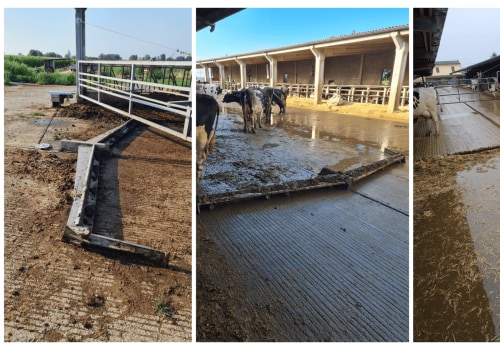
- Manure Management: Innovative manure management techniques, such as anaerobic digestion, convert waste into renewable energy while reducing methane release into the atmosphere.
- Genetic Selection: Breeding programs focused on selecting cows with lower methane emissions are becoming more common, contributing to a more sustainable dairy industry.
- Rotational Grazing: This method allows pastures to recover and maintain soil health, which can sequester carbon and improve biodiversity.
- Water Conservation: Implementing efficient irrigation systems and water recycling processes helps reduce water usage and protect local water resources.
- Agroecological Practices: Integrating crops and livestock can enhance nutrient cycling and reduce reliance on synthetic fertilizers.
Misconception 5: Dairy Products Are Unhealthy for Everyone
One of the most prevalent misconceptions about dairy farming is the belief that all dairy products are inherently unhealthy.This notion often stems from a misunderstanding of the nutritional value that dairy can provide. In reality, dairy products are rich in essential nutrients that contribute to overall health.
Dairy products
such as milk, cheese, and yogurt are excellent sources of calcium, vitamin D, and protein. These nutrients play a crucial role in maintaining strong bones and teeth, supporting muscle function, and promoting overall bodily health. For instance, calcium is vital for bone density, while protein is essential for muscle repair and growth.Addressing Lactose Intolerance Myths
Another common misconception is that individuals with lactose intolerance must completely avoid all dairy products.While it is true that lactose intolerance can cause discomfort for some people when consuming traditional dairy, many options are available that cater to these individuals.
Lactose-free
milk and yogurt provide the same nutritional benefits without the discomfort associated with lactose. Additionally, hard cheeses typically contain lower levels of lactose and can often be enjoyed by those who are sensitive.The Health Benefits of Dairy
Moreover, numerous studies have shown that moderate consumption of dairy can be part of a healthy diet. For example, research indicates that dairy intake is linked to a lower risk of osteoporosis and may even contribute to weight management due to its high protein content, which promotes satiety.In conclusion, while some may view dairy farming products as unhealthy, it is essential to recognize the significant health benefits they offer.By debunking these myths and understanding the nutritional value of dairy, consumers can make informed choices that support their health and well-being.
Frequently Asked Questions About Dairy Farming Misconceptions
Understanding the realities of dairy farming is essential to dispelling common misconceptions. Here are some frequently asked questions that can help clarify these misunderstandings:- Are dairy cows kept in cramped conditions? Many people believe that dairy cows are confined to small spaces. In reality, responsible dairy farming practices prioritize the welfare of the animals. Cows are often kept in spacious barns or pastures where they can roam freely, graze, and socialize.
- Do dairy farmers use hormones and antibiotics excessively? This misconception stems from a lack of understanding about animal health management.
While some farmers may use hormones or antibiotics when necessary, strict regulations govern their use. Farmers are committed to ensuring that milk is safe for consumption, and withdrawal periods are observed to prevent residues in milk.
- Is dairy farming harmful to the environment? While it’s true that all agricultural practices have environmental impacts, many dairy farmers are adopting sustainable practices. These include rotational grazing, manure management systems, and water conservation techniques that minimize their ecological footprint.
- Are all dairy products unhealthy? This is a common myth that overlooks the nutritional benefits of dairy. Products like milk, cheese, and yogurt provide essential nutrients such as calcium, protein, and vitamins.
Moderation is key, and many health organizations recommend including dairy as part of a balanced diet.
Conclusion: The Truth About Dairy Farming Misconceptions
In conclusion, understanding the realities of dairy farming is crucial for dispelling the numerous misconceptions that surround this vital industry. Throughout this article, we have explored various myths, from the treatment of dairy cows to the environmental impact of dairy production. It is essential to recognize that these misconceptions can lead to misguided opinions and decisions regarding dairy consumption.Dairy farmers
are committed to the health and well-being of their animals, employing modern practices that prioritize animal welfare.Many farms utilize technology and sustainable methods to ensure that cows are not only healthy but also contribute positively to the environment. For instance, rotational grazing and waste recycling are just a couple of practices that help minimize the ecological footprint of dairy operations.Moreover, the nutritional benefits of dairy products cannot be overlooked. They provide essential nutrients such as calcium, vitamin D, and protein, which are vital for maintaining a balanced diet. By understanding the role of dairy farming in food production, consumers can make informed choices that support both their health and local economies.As we move forward, it is important to challenge these misconceptions with facts and engage in open dialogues about dairy farming.
By doing so, we can foster a more accurate understanding of this industry and appreciate the hard work that goes into producing quality dairy products.Ultimately, embracing knowledge over myths will not only benefit consumers but also support farmers who strive to provide safe and nutritious food for everyone.