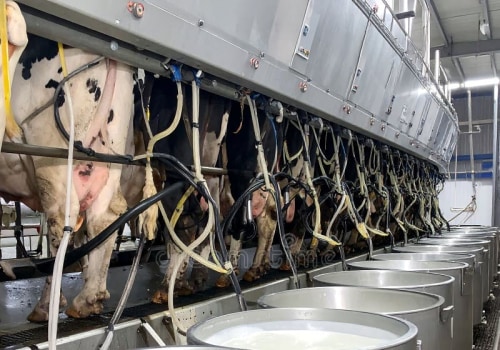
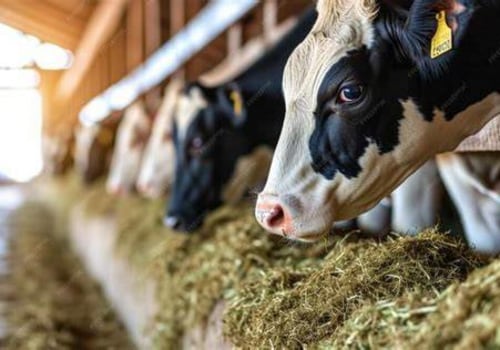
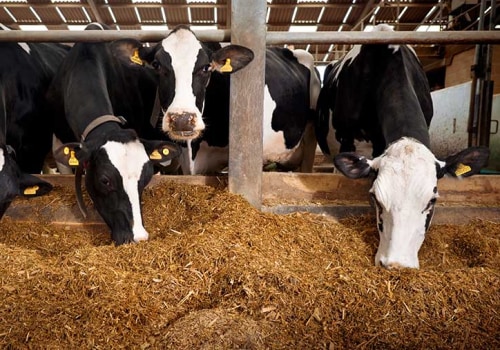
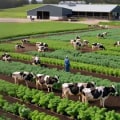
Dairy farming is a vital agricultural practice that focuses on the production of milk and other dairy products. It encompasses a range of activities, from the care and management of dairy cattle to the processing and distribution of milk. At its core, dairy farming is not just about raising cows; it involves a complex system that supports local economies, provides jobs, and contributes to food security. There are several types of dairy farming, each tailored to meet specific market demands and environmental conditions. The most common types include conventional dairy farming, which typically involves larger herds and intensive management practices, and organic dairy farming, which emphasizes sustainable practices and animal welfare.
Additionally, there are pasture-based systems that focus on grazing, allowing cows to feed naturally while producing high-quality milk. Understanding these variations is crucial for grasping the broader implications of dairy farming on rural communities. As we delve deeper into the impact of dairy farming, it becomes clear that this industry plays a significant role in shaping the social and economic landscape of rural areas. From providing employment opportunities to supporting local businesses, the influence of dairy farming extends far beyond the farm gates. By exploring its definition and types, we can better appreciate how this agricultural practice not only sustains livelihoods but also fosters community resilience in an ever-evolving economic environment.
Economic Contributions of Dairy Farming
Dairy farming plays a crucial role in the economic landscape of rural communities, serving as a significant source of income and employment.The industry not only supports local farmers but also stimulates various sectors within the community.One of the most notable economic impacts of dairy farming is job creation. According to recent studies, dairy farms generate thousands of jobs, ranging from farm laborers to specialized roles in processing and distribution. These jobs often provide stable employment opportunities for families, contributing to a lower unemployment rate in rural areas.In addition to direct employment, dairy farming also supports ancillary businesses. Local suppliers of feed, equipment, and veterinary services benefit from the demand generated by dairy operations.
This interconnectedness fosters a robust local economy where money circulates within the community, enhancing overall economic stability.The income generated from dairy farming is another vital aspect of its economic contribution. Farmers earn revenue not only from milk sales but also from value-added products such as cheese, yogurt, and butter. This diversification allows farmers to increase their income potential and invest back into their farms and communities.
- Job Creation: Dairy farming creates numerous jobs in various sectors.
- Support for Local Businesses: Ancillary services thrive due to dairy farm operations.
- Income Generation: Revenue from milk and value-added products boosts local economies.
Social Impacts on Rural Communities
Dairy farming plays a significant role in shaping the social dynamics of rural communities.The presence of dairy farms often fosters a sense of community cohesion, as local farmers and residents come together to support one another through shared challenges and celebrations. This interconnectedness is vital for maintaining a vibrant community life.One of the most notable social effects of dairy farming is the establishment of strong networks among farmers. These networks facilitate the exchange of knowledge, resources, and labor, which can enhance productivity and sustainability. For instance, farmers often collaborate on best practices for animal care, crop management, and environmental stewardship, leading to improved outcomes for both their businesses and the community.Moreover, dairy farming contributes to the preservation of cultural practices unique to rural areas.
Many communities have traditions centered around dairy production, such as local fairs, cheese-making festivals, and milk-related culinary events. These activities not only celebrate the agricultural heritage but also attract visitors, boosting local economies.As dairy farming evolves with technological advancements, it also influences lifestyle changes within rural communities. Younger generations may be drawn to modernized dairy operations that incorporate innovative practices, leading to a shift in traditional roles and responsibilities. This transition can create opportunities for education and skill development, further enhancing community resilience.In summary, the impact of dairy farming on rural communities extends beyond economic benefits; it shapes social structures, fosters community spirit, and preserves cultural identities.
As these communities navigate the challenges and opportunities presented by dairy farming, their ability to adapt will be crucial for sustainable development.
Environmental Considerations of Dairy Farming
Dairy farming plays a significant role in rural economies, but it also presents various environmental challenges that must be addressed to ensure sustainability. One of the primary concerns is land use. Dairy farms require substantial land for grazing and growing feed crops, which can lead to deforestation and habitat loss if not managed properly. This land conversion can disrupt local ecosystems and reduce biodiversity.Another critical issue is water consumption.Dairy farming is water-intensive, with large quantities needed for both the animals and the crops they consume. In regions where water resources are already strained, this can exacerbate competition for water among agricultural, industrial, and residential users. Sustainable practices, such as rainwater harvesting and efficient irrigation systems, are essential to mitigate these impacts.
Pollution from dairy farms
is another pressing concern. Manure management is a significant challenge; improper handling can lead to nutrient runoff into nearby water bodies, causing eutrophication, which depletes oxygen levels and harms aquatic life.Additionally, methane emissions from dairy cattle contribute to greenhouse gas effects, further complicating the environmental footprint of dairy farming.To address these issues, many dairy farmers are adopting more sustainable practices. These include:
- Rotational grazing to improve soil health and reduce overgrazing.
- Manure management systems that convert waste into energy or compost.
- Water conservation techniques, such as drip irrigation and recycling wastewater.
- Crop diversification to enhance soil fertility and reduce dependency on chemical fertilizers.
Challenges Faced by Dairy Farmers in Rural Areas
Dairy farming in rural areas is not without its challenges, which can significantly impact the livelihoods of farmers and the sustainability of their operations. Understanding these challenges is crucial for addressing the needs of dairy farmers and supporting rural communities.- Market Fluctuations: Dairy farmers often face unpredictable market conditions that can lead to significant financial strain. Prices for milk and dairy products can vary widely due to factors such as consumer demand, international trade policies, and competition from alternative milk sources.
This volatility makes it difficult for farmers to plan their budgets and invest in their operations.
- Climate Change: The effects of climate change pose a serious threat to dairy farming. Changes in weather patterns can lead to droughts or excessive rainfall, both of which can affect feed availability and animal health. Additionally, extreme temperatures can impact milk production and the overall well-being of dairy cattle.
- Regulatory Pressures: Dairy farmers must navigate a complex landscape of regulations that govern everything from animal welfare to environmental standards. Compliance with these regulations often requires significant time and financial resources, which can be particularly burdensome for small-scale farmers.
- Labor Shortages: Many rural areas are experiencing a decline in available labor, making it challenging for dairy farms to find skilled workers.
This shortage can lead to increased workloads for existing staff and may hinder the ability to maintain high standards of animal care and farm management.
- Access to Resources: Rural dairy farmers may struggle with limited access to essential resources such as veterinary care, feed supplies, and advanced technology. This lack of access can hinder productivity and make it difficult for farmers to implement best practices in animal husbandry.
Innovations and Future Trends in Dairy Farming
The future of dairy farming is poised for significant transformation, driven by innovations that not only enhance productivity but also promote sustainability within rural communities. As the demand for dairy products continues to rise, the industry is embracing advanced technologies that can help meet this need while minimizing environmental impact.Emerging Technologies in Dairy Farming
One of the most promising advancements in the dairy industry is the integration of precision agriculture.This approach utilizes data analytics and IoT (Internet of Things) devices to monitor herd health, optimize feed efficiency, and manage resources more effectively. For instance, wearable sensors on cows can track vital signs and activity levels, allowing farmers to detect health issues early and reduce veterinary costs.
Sustainable Practices
In addition to technology, sustainable practices are becoming increasingly important in dairy farming. Innovations such as anaerobic digesters convert manure into renewable energy, providing a dual benefit of waste management and energy production. This not only reduces greenhouse gas emissions but also offers rural communities a new source of income and energy independence.Community Impact
The adoption of these technologies and practices can have a profound impact on rural communities.By increasing efficiency and sustainability, dairy farmers can enhance their profitability, which in turn supports local economies. Furthermore, as farms become more technologically advanced, they create opportunities for job growth in tech support, data analysis, and sustainable farming practices.As we look to the future, it is clear that the dairy industry will continue to evolve. Embracing innovation not only helps farmers adapt to changing market demands but also fosters a resilient rural community that can thrive amidst challenges. The ongoing commitment to sustainability and technological advancement will be crucial in shaping a prosperous future for dairy farming.
FAQs about Dairy Farming and Its Impact on Rural Communities
As dairy farming plays a crucial role in rural communities, many people have questions about its impact.Here are some frequently asked questions that shed light on this important topic.
- What are the economic benefits of dairy farming in rural areas?
Dairy farming significantly contributes to the local economy by creating jobs, supporting local businesses, and generating tax revenue. The industry provides employment opportunities not only on farms but also in related sectors such as transportation, processing, and retail. - How does dairy farming affect community development?
Dairy farms often invest in local infrastructure, such as roads and schools, which can enhance community development. Additionally, they may support local events and initiatives, fostering a sense of community and belonging. - What environmental impacts does dairy farming have?
While dairy farming can lead to challenges such as water usage and waste management, many farms are adopting sustainable practices. These include rotational grazing and waste recycling, which help minimize negative environmental impacts while maintaining productivity. - How does dairy farming influence food security?
Dairy farming contributes to food security by providing a consistent source of nutritious food.Milk and dairy products are essential components of a balanced diet, and local production helps ensure that communities have access to fresh, high-quality products.
- What role does dairy farming play in preserving rural culture?
Dairy farming is often intertwined with the cultural heritage of rural communities. It helps maintain traditional practices and lifestyles, fostering a connection between generations and preserving the unique identity of these areas.
Conclusion: The Future of Dairy Farming in Rural Communities
As we reflect on the impact of dairy farming on rural communities, it becomes clear that this industry plays a pivotal role in shaping the economic and social landscape of these areas. Throughout this article, we have explored various dimensions of dairy farming, from its contributions to local economies to its influence on community cohesion.One of the most significant points highlighted is the economic stability that dairy farming provides.By creating jobs and supporting local businesses, dairy farms serve as a backbone for rural economies. The multiplier effect of dairy farming extends beyond the farm gates, benefiting suppliers, processors, and retailers alike.Moreover, dairy farming fosters a sense of community. Farmers often engage in cooperative efforts, sharing resources and knowledge that strengthen their bonds. This collaboration not only enhances productivity but also cultivates a culture of mutual support among residents.Looking ahead, the future of dairy farming in rural communities will likely be shaped by several factors:
- Sustainability Practices: As environmental concerns grow, adopting sustainable practices will be crucial for the longevity of dairy farming.
- Technological Advancements: Innovations in farming technology can improve efficiency and reduce costs, making dairy operations more viable.
- Market Trends: The demand for organic and locally sourced products may drive changes in how dairy is produced and marketed.
By embracing change and focusing on sustainable practices, dairy farmers can ensure their relevance and support the growth of vibrant rural economies for generations to come.