Dairy farming plays a crucial role in the agricultural landscape, serving not only as a source of nutrition but also as a vital component of sustainable agricultural practices. As one of the oldest forms of agriculture, dairy farming has evolved significantly over the years, adapting to modern challenges while maintaining its core purpose: to provide high-quality dairy products such as milk, cheese, and yogurt. The importance of dairy farming extends beyond mere food production; it encompasses economic stability, environmental stewardship, and community well-being. In recent years, there has been a growing recognition of the need for sustainable agriculture, and dairy farmers are at the forefront of this movement. By implementing innovative practices such as rotational grazing, nutrient management, and waste recycling, dairy farmers contribute to soil health and biodiversity.
These methods not only enhance the productivity of their farms but also minimize their environmental footprint. The integration of technology in dairy farming further supports sustainability efforts, allowing farmers to monitor animal health and optimize resource use more effectively. Moreover, the significance of dairy farming is evident in its ability to support local economies and provide jobs. Dairy farms often serve as community hubs, fostering connections between consumers and producers. As we delve deeper into the relationship between dairy farming and sustainable agriculture, it becomes clear that this sector is not just about producing food; it is about creating a resilient agricultural system that benefits both people and the planet.
Sustainable Practices in Dairy Farming
Dairy farming plays a crucial role in promoting sustainable agriculture through various innovative practices that not only enhance productivity but also protect the environment.By adopting eco-friendly methods, dairy farmers contribute significantly to the sustainability of their operations and the broader agricultural landscape.
Rotational Grazing
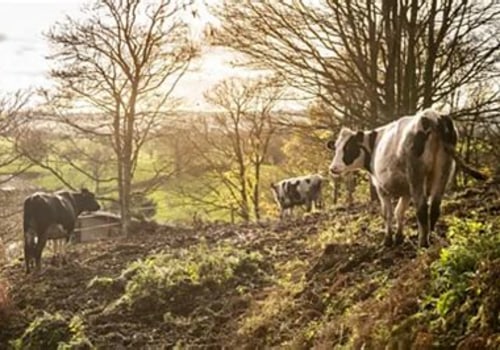
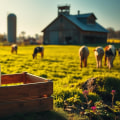
One of the most effective sustainable practices in dairy farming is rotational grazing. This technique involves moving livestock between different pastures to allow for natural regrowth of grass and other forage plants. By doing so, farmers can:- Improve soil health by preventing overgrazing.
- Enhance biodiversity by allowing various plant species to thrive.
- Reduce the need for chemical fertilizers, as healthy pastures naturally replenish nutrients.
Waste Management
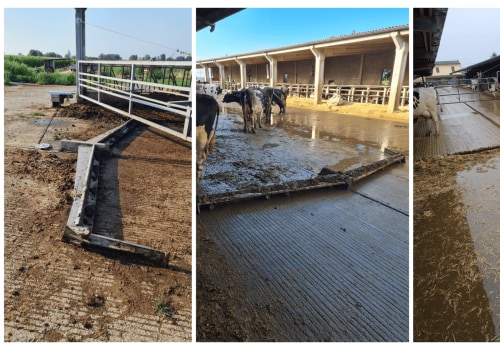
Effective waste management is another cornerstone of sustainable dairy farming. Farmers are increasingly implementing systems to recycle manure as a valuable resource rather than viewing it as waste.This includes:
- Composting: Transforming manure into nutrient-rich compost that can be used to fertilize crops.
- Biodigesters: Utilizing anaerobic digestion to convert manure into biogas, which can be used for energy.
Water Conservation
Water conservation is critical in dairy farming, especially in regions prone to drought. Farmers are adopting various techniques to minimize water usage, such as:- Implementing efficient irrigation systems that reduce water waste.
- Collecting rainwater for use in livestock watering and cleaning.
- Using technology to monitor and manage water usage effectively.
The Environmental Impact of Dairy Farming
The environmental impact of dairy farming has been a topic of significant discussion, particularly in the context of climate change and sustainability. Dairy farms contribute to greenhouse gas emissions, primarily through methane released during digestion in cows and from manure management.However, many dairy farmers are actively working to reduce their carbon footprint and enhance their sustainability practices.One effective strategy is the implementation of nutritional management. By optimizing the diets of dairy cows, farmers can reduce methane emissions significantly. This involves using feed additives that improve digestion and nutrient absorption, leading to less waste and lower emissions.Additionally, many dairy farms are adopting manure management systems that capture methane for energy production. This not only reduces greenhouse gas emissions but also provides a renewable energy source that can power farm operations or be sold back to the grid.Another critical aspect is the use of agroecological practices.
These include crop rotation, cover cropping, and reduced tillage, which help improve soil health and sequester carbon. By enhancing soil quality, dairy farmers can contribute to a more resilient ecosystem that supports biodiversity.Furthermore, dairy farmers are increasingly investing in technology to monitor and manage their environmental impact. Precision agriculture tools allow for better resource management, ensuring that water and fertilizers are used efficiently, thus minimizing runoff and pollution.In conclusion, while dairy farming does pose environmental challenges, many farmers are committed to implementing sustainable practices that mitigate these impacts. Through innovative approaches in nutrition, manure management, agroecology, and technology adoption, the dairy industry is making strides toward a more sustainable future.
Economic Benefits of Sustainable Dairy Farming
The economic benefits of sustainable dairy farming extend beyond environmental stewardship; they also significantly enhance the profitability and viability of dairy operations.By adopting sustainable practices, dairy farmers can achieve cost savings, improve efficiency, and meet the growing market demand for environmentally friendly products.One of the primary economic advantages is the reduction in operational costs. Sustainable dairy farming often involves practices such as rotational grazing, which can lead to lower feed costs and improved soil health. Healthier pastures not only support livestock better but also reduce the need for chemical fertilizers and pesticides, resulting in substantial savings over time.Moreover, sustainable practices can enhance productivity. For instance, implementing better waste management systems can convert manure into valuable compost or biogas, providing additional revenue streams while minimizing environmental impact.
This not only contributes to a more circular economy but also helps farmers diversify their income sources.As consumer awareness of sustainability grows, there is an increasing demand for sustainable dairy products. Farmers who adopt these practices can often command higher prices for their products. According to recent studies, consumers are willing to pay a premium for dairy products that are certified organic or produced using sustainable methods. This shift in consumer preference creates a lucrative market opportunity for dairy farmers who prioritize sustainability.Additionally, many governments and organizations offer financial incentives for farmers who implement sustainable practices.
These can include grants, subsidies, or tax breaks aimed at promoting environmentally friendly farming methods. By taking advantage of these programs, dairy farmers can further enhance their profitability while contributing to a more sustainable agricultural landscape.In conclusion, the economics of sustainable dairy farming reveal that adopting environmentally responsible practices not only benefits the planet but also strengthens the financial health of dairy operations. By focusing on sustainability, farmers can ensure long-term viability and profitability in an increasingly competitive market.
Community Engagement and Education in Dairy Farming
Dairy farmers play a crucial role in fostering community engagement and promoting education on sustainable agriculture practices. By actively participating in local events and initiatives, they help bridge the gap between agricultural practices and community awareness.One of the primary ways dairy farmers engage with their communities is through farm tours and open houses.These events allow the public to visit dairy farms, observe operations firsthand, and learn about the sustainable practices employed in dairy farming. During these tours, farmers often explain how they manage resources efficiently, reduce waste, and maintain animal welfare.Additionally, many dairy farmers collaborate with local schools to provide educational programs that focus on sustainable agriculture. These programs may include:
- Workshops: Hands-on activities that teach students about the importance of sustainable farming methods.
- Classroom presentations: Informative sessions that cover topics such as soil health, water conservation, and the role of dairy farming in the ecosystem.
- Field trips: Opportunities for students to experience farm life and understand where their food comes from.
Such actions not only provide immediate assistance but also foster a sense of community solidarity.Through these efforts, dairy farmers not only contribute to the local economy but also serve as educators and advocates for sustainable practices. By sharing their knowledge and experiences, they empower community members to make informed decisions about food production and consumption.
Challenges Faced by Dairy Farmers in Implementing Sustainability
Implementing sustainable practices in dairy farming is not without its challenges. Dairy farmers often face a myriad of obstacles that can hinder their ability to adopt environmentally friendly methods. Understanding these challenges is crucial for developing effective solutions.Economic Constraints: One of the primary barriers to sustainability in dairy farming is the economic pressure that farmers face.The initial investment required for sustainable technologies, such as advanced waste management systems or renewable energy sources, can be prohibitively high. Many farmers operate on tight margins, making it difficult to allocate funds for these improvements.Regulatory Hurdles: Another significant challenge is navigating the complex web of regulations that govern agricultural practices. Compliance with environmental regulations can be daunting, and the fear of penalties may deter farmers from pursuing sustainable options. Additionally, inconsistent policies across states can create confusion and hinder progress.Knowledge and Training Gaps: A lack of access to information and training on sustainable practices can also pose a challenge.
Many dairy farmers may not be aware of the latest sustainable techniques or how to implement them effectively. Extension services and educational programs are essential in bridging this knowledge gap.Market Demand: The demand for sustainably produced dairy products is growing, but it is not yet universal. Farmers may hesitate to invest in sustainable practices if they perceive that consumers are not willing to pay a premium for these products. Building consumer awareness and demand is vital for encouraging more farmers to adopt sustainable methods. Despite these challenges, there are potential solutions that can help dairy farmers transition towards sustainability.
Collaborative efforts among farmers, industry stakeholders, and government agencies can provide the necessary support and resources. By sharing best practices and investing in research, the dairy industry can overcome these obstacles and contribute positively to sustainable agriculture.
Future Trends in Sustainable Dairy Farming
The future of sustainable dairy farming is poised for significant transformation, driven by innovative technologies and practices that enhance environmental stewardship while maintaining productivity. As the demand for dairy products continues to rise, farmers are increasingly adopting methods that not only meet consumer needs but also prioritize sustainability.Emerging Technologies in Dairy Farming
One of the most promising trends is the integration of precision agriculture technologies. These tools utilize data analytics, sensors, and GPS technology to optimize resource use.For instance, farmers can monitor soil health and crop conditions in real-time, allowing them to apply fertilizers and water more efficiently. This not only reduces waste but also minimizes the environmental impact of dairy farming.
Innovations in Waste Management
Another critical area of focus is waste management. Innovative systems are being developed to convert manure into renewable energy through anaerobic digestion. This process not only helps in managing waste but also provides a sustainable energy source for dairy operations, reducing reliance on fossil fuels.Animal Welfare and Sustainable Practices
As consumer awareness grows, there is a heightened emphasis on animal welfare.Future trends indicate a shift towards more humane farming practices that ensure the well-being of dairy cows. This includes improved housing conditions, better nutrition, and health monitoring systems that promote overall animal health.
Climate Resilience Strategies
Dairy farmers are also exploring climate resilience strategies to adapt to changing weather patterns. Techniques such as rotational grazing and cover cropping can enhance soil health and biodiversity, making farms more resilient to climate variability.In conclusion, the future of dairy farming lies in embracing these innovative practices and technologies. By focusing on sustainability, dairy farmers can contribute significantly to a more resilient agricultural system that meets both economic and environmental goals.FAQs About Dairy Farming and Sustainability
As the conversation around sustainable agriculture continues to grow, many people have questions about how dairy farming fits into this important topic.Below are some frequently asked questions that shed light on the relationship between dairy farming and sustainability.
- How does dairy farming contribute to sustainable agriculture?
Dairy farmers implement various practices that enhance soil health, reduce greenhouse gas emissions, and promote biodiversity. For instance, rotational grazing helps maintain pasture quality and reduces soil erosion, while manure management systems can recycle nutrients back into the soil. - What are some sustainable practices used in dairy farming?
Many dairy farms adopt practices such as: - Water conservation: Utilizing efficient irrigation systems and rainwater harvesting.
- Feed efficiency: Optimizing feed formulations to reduce waste and improve animal health.
- Renewable energy: Implementing solar panels or wind turbines to power operations.
- Are organic dairy farms more sustainable?
Organic dairy farms often adhere to stricter regulations regarding animal welfare and environmental impact. However, sustainability can also be achieved through conventional methods when best practices are followed. The key is not just the label but the actual practices implemented on the farm. - How do dairy farmers manage their carbon footprint?
Dairy farmers are increasingly adopting technologies such as methane digesters that convert waste into energy, thus reducing their overall carbon footprint.Additionally, improving herd genetics and nutrition can lead to lower emissions per unit of milk produced.
Conclusion: The Path Forward for Dairy Farmers and Sustainable Agriculture
As we reflect on the vital role of dairy farming in sustainable agriculture, it becomes clear that the path forward is paved with innovation, responsibility, and community engagement. Throughout this discussion, we have explored how dairy farmers are not just producers of milk but also stewards of the land, actively participating in practices that promote environmental health and economic viability.One of the key takeaways is the commitment to reducing greenhouse gas emissions. Dairy farmers are adopting advanced technologies and management practices that enhance efficiency and minimize their carbon footprint. This includes everything from improved feed efficiency to innovative manure management systems that convert waste into valuable resources.Moreover, the emphasis on biodiversity within dairy farming systems cannot be overstated.By integrating crop and livestock systems, farmers can enhance soil health and promote a balanced ecosystem. This holistic approach not only benefits the environment but also contributes to the resilience of farming operations.Community involvement is another critical aspect of sustainable dairy farming. Farmers are increasingly engaging with local communities to educate consumers about sustainable practices and the importance of supporting local agriculture. This connection fosters a greater understanding of where food comes from and encourages responsible consumption.In conclusion, the future of dairy farming lies in a collective effort towards sustainability.
By continuing to innovate and adapt, dairy farmers can lead the way in creating a more sustainable agricultural landscape. It is essential for all stakeholders—farmers, consumers, and policymakers—to work together in this endeavor, ensuring that dairy farming remains a viable and environmentally friendly option for generations to come.