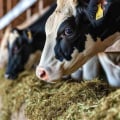
Dairy farming plays a crucial role in the agricultural landscape, providing essential products such as milk, cheese, and yogurt that are staples in diets around the world. As one of the most significant sectors within agriculture, it not only supports local economies but also contributes to global food security. However, the operations of dairy farms are intricately linked to climate and weather conditions, which can profoundly influence productivity and sustainability.The delicate balance of temperature, precipitation, and seasonal changes directly affects the health of dairy cattle and the quality of feed crops. For instance, extreme heat can lead to heat stress in cows, resulting in decreased milk production and increased vulnerability to diseases.
Similarly, unpredictable weather patterns can disrupt feed supply chains, leading to higher costs and potential shortages. Understanding these vulnerabilities is essential for farmers aiming to adapt their practices in an ever-changing climate.As we delve deeper into the complexities of dairy farming, it becomes evident that proactive measures are necessary to mitigate the adverse effects of climate change. From implementing innovative farming techniques to investing in sustainable practices, dairy farmers must navigate a landscape fraught with challenges while striving to maintain productivity and animal welfare. This exploration will shed light on how climate and weather conditions shape the future of dairy farming and what strategies can be employed to ensure resilience in this vital industry.
The Role of Climate in Dairy Farming
The climate plays a crucial role in shaping the practices and productivity of dairy farming.Different climate zones present unique challenges and opportunities that can significantly impact the health and output of dairy cattle.In regions with a temperate climate, dairy farmers often benefit from moderate temperatures and consistent rainfall, which support lush pastures. This environment allows for optimal grazing conditions, leading to healthier cows and higher milk production. However, even in these favorable climates, extreme weather events such as heatwaves or heavy rainfall can disrupt farming operations.
Impact of Extreme Weather
- Heat Stress: High temperatures can lead to heat stress in dairy cattle, resulting in decreased feed intake, lower milk yield, and compromised reproductive performance.
- Cold Weather: Conversely, extremely cold conditions can increase the energy requirements of cows, necessitating additional feed to maintain body temperature and health.
- Flooding: Heavy rainfall can lead to flooding, which may damage pastures and reduce the availability of forage.
The health of dairy cattle in these areas can be particularly vulnerable due to heat stress and limited access to fresh water.Moreover, understanding the local climate is essential for effective herd management. Farmers must monitor weather patterns closely to make informed decisions about feeding schedules, breeding times, and overall herd health management. By adapting their practices to align with climatic conditions, dairy farmers can enhance productivity while ensuring the well-being of their livestock.In summary, the influence of climate on dairy farming is multifaceted. From temperature extremes to precipitation patterns, each aspect of climate affects not only the operational efficiency but also the health and productivity of dairy cattle.
As climate change continues to alter weather patterns globally, staying informed and adaptable will be key for successful dairy farming operations.
Weather Patterns and Their Effects on Dairy Operations
Weather patterns play a crucial role in the success of dairy farming operations. Understanding how these patterns affect daily activities can help farmers make informed decisions to mitigate risks and enhance productivity.Seasonal Changes
Seasonal changes significantly influence dairy farming. For instance, during the spring and summer months, increased temperatures can lead to heat stress in dairy cows, which may reduce milk production. Farmers often implement cooling systems, such as fans and misters, to maintain optimal temperatures for their herds.Conversely, colder months can pose challenges as well; low temperatures can affect feed intake and overall cow health. Proper housing and bedding are essential to ensure that cows remain comfortable and productive during winter.
Extreme Weather Events
Extreme weather events, such as droughts, floods, and storms, can have devastating effects on dairy farming. Drought conditions can lead to a shortage of feed crops, increasing costs for farmers who must purchase feed or supplements. Flooding can damage pastures and infrastructure, making it difficult for farmers to access their herds or transport milk.Additionally, storms can disrupt power supplies, affecting milking operations and refrigeration systems.
- Drought: Reduces available forage and increases feed costs.
- Flooding: Damages infrastructure and limits access to livestock.
- Storms: Disrupts power supply and milking operations.
Heat Stress in Dairy Cattle: Causes and Solutions
Heat stress is a critical concern in dairy farming, particularly during the warmer months when temperatures rise significantly. Dairy cattle are particularly susceptible to heat stress due to their large body mass and the metabolic heat produced during digestion. When temperatures exceed 70°F (21°C), dairy cows can experience discomfort, leading to decreased milk production, lower fertility rates, and compromised overall health.Causes of Heat Stress
- High Ambient Temperatures: Prolonged exposure to high temperatures can overwhelm a cow's ability to regulate its body heat.
- Humidity: High humidity levels can exacerbate heat stress by hindering the cow's ability to cool down through evaporation.
- Lack of Shade: Insufficient shaded areas in pastures or barns can increase the risk of heat stress.
- Inadequate Ventilation: Poor airflow in barns can trap heat and humidity, making it difficult for cows to cool off.
Cooling Strategies
To mitigate the effects of heat stress on dairy cattle, farmers can implement several effective cooling strategies:
- Shade Structures: Providing shaded areas using trees, tarps, or specially designed structures can help reduce direct sunlight exposure.
- Water Availability: Ensuring that cows have constant access to fresh, cool water is essential for hydration and temperature regulation.
- Sprinkler Systems: Installing misting or sprinkler systems in barns and pastures can help lower ambient temperatures through evaporative cooling.
- Fans and Ventilation: Utilizing fans to improve airflow in barns can significantly enhance cooling and comfort for dairy cattle.
Animal Welfare Considerations
The welfare of dairy cattle is paramount, especially during extreme weather conditions.
Implementing effective cooling strategies not only helps maintain productivity but also ensures that animals are comfortable and healthy. Farmers should regularly monitor their herds for signs of heat stress, such as excessive panting, drooling, or reduced feed intake. By prioritizing animal welfare through proactive measures, dairy farmers can enhance both the quality of life for their cattle and the sustainability of their operations.
Cold Weather Challenges for Dairy Farmers
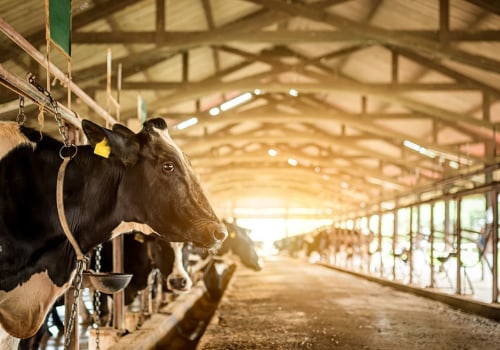
Cold weather presents a unique set of challenges for dairy farming operations, significantly impacting both animal welfare and productivity. As temperatures drop, dairy farmers must implement effective winter management strategies to ensure the health of their herds and the efficiency of their operations.One of the primary concerns during cold weather is maintaining the body temperature of dairy cows.Cows are susceptible to hypothermia, which can lead to decreased milk production and increased susceptibility to diseases. To combat this, farmers should provide adequate shelter that protects cows from wind and moisture. Insulated barns or windbreaks can help create a more stable environment for the animals.Additionally, feed considerations become crucial in winter months. Cows require more energy to maintain their body heat in cold conditions, which means that their nutritional needs change.
Farmers should consider increasing the energy density of the feed, incorporating higher-quality forages or grains that provide the necessary calories. Supplementing with vitamins and minerals is also essential to support overall health during this stressful period.Water availability is another critical factor. In freezing temperatures, water sources can become frozen, leading to dehydration among the herd. Farmers should ensure that cows have access to fresh, unfrozen water at all times, possibly by using heated water troughs or regularly checking and breaking ice in troughs.Finally, monitoring cow behavior is vital during cold spells.
Signs of stress or discomfort can indicate that adjustments are needed in management practices. Regular health checks and close observation can help farmers respond quickly to any issues that arise.In summary, while cold weather poses significant challenges for dairy farming, proactive management strategies focusing on shelter, nutrition, hydration, and health monitoring can mitigate these effects and maintain productivity throughout the winter months.
Impact of Climate Change on Dairy Farming Practices
Climate change is increasingly influencing dairy farming practices, presenting both challenges and opportunities for farmers. As temperatures rise and weather patterns become more unpredictable, dairy operations must adapt to ensure sustainability and productivity.Effects of Climate Change on Dairy Farming
- Heat Stress: Elevated temperatures can lead to heat stress in dairy cows, negatively impacting their health, milk production, and reproductive performance. Farmers may need to implement cooling systems or modify feeding practices to mitigate these effects.
- Water Availability: Changes in precipitation patterns can affect water supply for both livestock and crops.
Drought conditions may necessitate the use of irrigation or alternative water sources, while excessive rainfall can lead to flooding and soil erosion.
- Feed Quality: Climate change can alter the growth patterns of forage crops, affecting their nutritional value. Farmers may need to diversify their feed sources or invest in crop management strategies to maintain high-quality feed.
Adaptation Strategies for Dairy Farmers
- Improved Breeding Programs: Selecting breeds that are more resilient to heat and disease can enhance herd performance under changing climate conditions.
- Sustainable Practices: Implementing sustainable farming practices such as rotational grazing, cover cropping, and integrated pest management can improve soil health and reduce the carbon footprint of dairy operations.
- Technology Integration: Utilizing technology such as precision agriculture tools can help farmers monitor environmental conditions and optimize resource use, leading to more efficient operations.
Technological Innovations in Dairy Farming Under Changing Conditions
As climate change continues to impact agricultural practices, dairy farming is increasingly turning to technological innovations to adapt and thrive. These advancements not only enhance productivity but also promote sustainability in the face of unpredictable weather patterns.One of the most significant innovations in dairy farming is the integration of smart farming solutions.These technologies utilize data analytics, IoT devices, and automation to monitor and manage farm operations more efficiently. For instance, precision agriculture tools allow farmers to track soil moisture levels, temperature, and humidity, enabling them to make informed decisions about irrigation and feed management.
- Climate-Smart Technologies: Innovations such as climate-resilient forage crops are being developed to withstand extreme weather conditions. These crops can provide consistent nutrition for dairy cattle even during droughts or heavy rainfall.
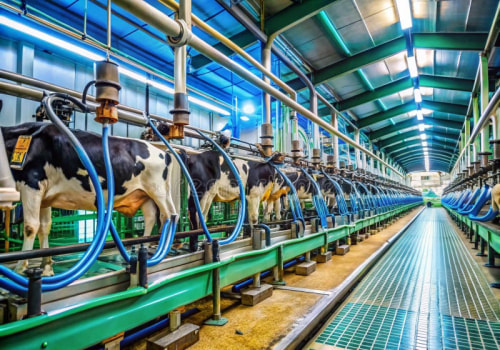
- Automated Milking Systems: Robotic milking systems not only reduce labor costs but also allow for more flexible milking schedules. This adaptability is crucial during periods of extreme heat or cold when cows may require different care.
- Renewable Energy Solutions: Many dairy farms are now investing in solar panels and wind turbines to power their operations sustainably.
This shift not only reduces reliance on fossil fuels but also helps mitigate the effects of rising energy costs associated with climate change.
Best Practices for Managing Weather-Related Risks in Dairy Farming
Managing the risks associated with adverse weather conditions is crucial for the sustainability and productivity of dairy farming operations. Implementing effective strategies can help farmers mitigate the impact of climate variability and ensure the well-being of their herds.1.Develop a Comprehensive Risk Management Plan
A well-structured risk management plan should include:- Assessment of Vulnerabilities: Identify specific weather-related risks such as drought, flooding, or extreme temperatures that could affect your farm.
- Contingency Plans: Create actionable plans for different scenarios, including feed shortages or water supply disruptions.
- Regular Review: Update your risk management plan annually to reflect changes in climate patterns and farm operations.
2.Invest in Infrastructure
Robust infrastructure can significantly reduce weather-related risks:- Weather-Resistant Structures: Build barns and shelters that can withstand extreme weather conditions, ensuring livestock safety.
- Efficient Drainage Systems: Implement drainage solutions to prevent flooding and waterlogging in pastures.
- Temperature Control: Use ventilation systems and insulation to maintain optimal temperatures in dairy facilities.
3.Utilize Technology
Embrace technology to enhance resilience:- Weather Monitoring Tools: Use apps and devices to track real-time weather conditions, allowing for timely decision-making.
- Drones and Sensors: Employ drones for crop monitoring and sensors for soil moisture levels to optimize resource use.
4.Diversify Feed Sources
Diversifying feed sources can buffer against supply disruptions caused by adverse weather:- Grow Multiple Crops: Cultivate a variety of forage crops that can thrive under different climatic conditions.
- Establish Relationships with Local Suppliers: Build connections with local feed suppliers to ensure access to alternative feed options during shortages.
Frequently Asked Questions About Climate and Dairy Farming
Understanding the relationship between climate, weather conditions, and dairy farming is crucial for farmers aiming to optimize their operations.Here are some frequently asked questions that address common concerns:
- How does temperature affect milk production?
High temperatures can lead to heat stress in dairy cows, which may reduce their milk yield. Cows are most comfortable at temperatures between 40°F and 70°F. When temperatures rise above this range, farmers may need to implement cooling strategies, such as providing shade or misting systems, to maintain productivity. - What impact does rainfall have on dairy farming?
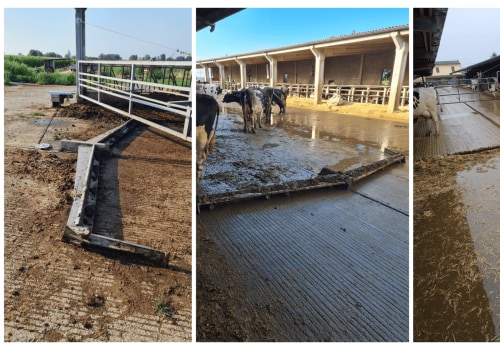
Excessive rainfall can lead to muddy pastures, which can affect cow health and lead to increased hoof problems. On the other hand, insufficient rainfall can result in drought conditions, affecting forage availability and quality.Farmers must monitor weather patterns closely to manage feed resources effectively.
- Are there specific weather events that pose risks to dairy operations?
Severe weather events such as hurricanes, floods, and snowstorms can disrupt daily operations. These events may damage infrastructure, limit access to feed and water, and pose health risks to livestock. Having a disaster preparedness plan is essential for mitigating these risks. - How can climate change influence dairy farming?
Long-term changes in climate patterns can alter the growing seasons for feed crops and increase the frequency of extreme weather events. Dairy farmers may need to adapt by diversifying their feed sources or investing in more resilient infrastructure to cope with these changes.
Conclusion: Navigating the Future of Dairy Farming in a Changing Climate
As we conclude our exploration of how climate and weather conditions impact dairy farming, it is clear that the challenges posed by a changing climate are significant yet manageable with proactive strategies.The dairy industry must adapt to fluctuating temperatures, altered precipitation patterns, and increased frequency of extreme weather events.Farmers are encouraged to implement sustainable practices that not only mitigate the effects of climate change but also enhance the resilience of their operations. Some key strategies include:
- Water Management: Efficient irrigation systems and rainwater harvesting can help ensure a consistent water supply during dry spells.
- Feed Quality: Investing in high-quality feed that is resilient to climate variations can improve herd health and milk production.
- Animal Welfare: Providing adequate shelter and cooling systems for livestock can reduce heat stress, which is crucial for maintaining productivity.
- Diverse Crop Rotation: Growing a variety of forage crops can enhance soil health and provide nutritional diversity for dairy cattle.
By prioritizing sustainability and resilience, the dairy industry can continue to thrive in a changing environment, ensuring food security and economic viability for generations to come.