The dairy farming industry is currently navigating a complex landscape shaped by evolving consumer preferences, technological advancements, and environmental considerations. As of 2023, the United States remains one of the largest producers of milk globally, with the dairy sector contributing significantly to the agricultural economy. Recent statistics indicate that the U.S. dairy industry produced approximately 223 billion pounds of milk in 2022, showcasing a steady demand for dairy products despite fluctuating market conditions. One of the most notable current trends in dairy farming is the increasing focus on sustainability.
Farmers are adopting practices that reduce their carbon footprint and enhance animal welfare, responding to consumer demand for ethically produced products. Innovations such as precision feeding and automated milking systems are becoming more prevalent, allowing farmers to optimize production while minimizing waste. However, these advancements come with challenges, including the high costs of implementation and the need for ongoing education and training. Moreover, the dairy industry faces significant challenges such as fluctuating milk prices, labor shortages, and regulatory pressures. The recent rise in feed costs has put additional strain on profit margins, prompting many farmers to reevaluate their operational strategies.
As they adapt to these challenges, understanding the current state of the dairy farming industry is crucial for stakeholders looking to navigate future uncertainties effectively.
Technological Innovations in Dairy Farming
The future of dairy farming is being shaped significantly by technological innovations that enhance productivity, efficiency, and sustainability. As the demand for dairy products continues to rise, farmers are increasingly turning to advanced technologies to meet these challenges.Automation in dairy farming
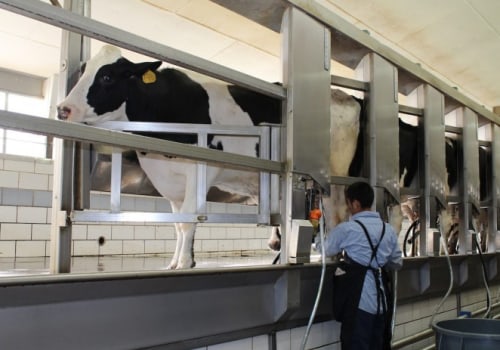
is one of the most transformative trends. Automated milking systems, for instance, allow cows to be milked without human intervention, improving both animal welfare and labor efficiency. These systems not only reduce the physical strain on farmers but also enable them to monitor milk production in real-time, leading to better herd management.Another key area of innovation is precision agriculture.This approach utilizes data analytics and IoT (Internet of Things) devices to optimize farming practices. By employing sensors and drones, farmers can gather detailed information about soil health, crop conditions, and livestock behavior. This data-driven approach allows for tailored feeding programs and targeted interventions, ultimately enhancing milk yield and quality.
- Smart Feeding Systems: Automated feeders can adjust rations based on individual cow needs, ensuring optimal nutrition.
- Health Monitoring Technologies: Wearable devices track vital signs and activity levels in cows, enabling early detection of health issues.
- Data Management Software: Comprehensive platforms help farmers analyze production data, manage resources efficiently, and make informed decisions.
As these innovations continue to evolve, they promise to enhance sustainability while meeting the growing global demand for dairy products.
Sustainability and Environmental Impact
The future of dairy farming is increasingly intertwined with sustainability and environmental stewardship. As consumers become more eco-conscious, the demand for sustainable dairy farming practices is on the rise. This shift is prompting farmers to adopt innovative methods that not only enhance productivity but also minimize their ecological footprint.One of the primary environmental impacts of dairy farming is greenhouse gas emissions, particularly methane produced by cattle. To combat this, many farms are implementing eco-friendly practices such as:- Improved feed efficiency: By optimizing cattle diets, farmers can reduce methane emissions while enhancing milk production.
- Manure management: Utilizing anaerobic digesters to convert manure into biogas helps in reducing waste and generating renewable energy.
- Rotational grazing: This practice not only improves soil health but also enhances carbon sequestration, contributing to a reduction in overall emissions.
Precision agriculture tools allow farmers to monitor and manage resources more effectively, leading to reduced water usage and optimized land management. For instance, sensors can track soil moisture levels, ensuring that irrigation is applied only when necessary.In addition to these practices, consumer education about the environmental impact of dairy farming is essential. By informing consumers about sustainable options and encouraging them to support farms that prioritize eco-friendly methods, the industry can foster a more sustainable future.Ultimately, the path forward for dairy farming lies in balancing productivity with environmental responsibility. As the industry evolves, embracing sustainability will not only meet consumer demands but also contribute positively to the planet.
Market Trends and Consumer Preferences
The dairy farming industry is currently experiencing significant shifts driven by evolving market trends and changing consumer preferences.As health consciousness rises among consumers, there is a noticeable demand for products that align with their lifestyle choices. One of the most prominent trends is the increasing popularity of organic dairy products. Consumers are becoming more aware of the benefits associated with organic farming practices, which often emphasize animal welfare and environmental sustainability. This shift is reflected in sales data, showing that organic dairy products are outpacing conventional options in growth rates.
Consumer Preferences in Dairy
In addition to organic options, consumers are also gravitating towards plant-based alternatives. The rise of veganism and lactose intolerance awareness has led to a surge in demand for non-dairy milk, yogurt, and cheese.This trend is not just a passing fad; it represents a fundamental change in how consumers view dairy and its alternatives.
- Health Benefits: Many consumers are seeking dairy products that offer health benefits, such as probiotics found in yogurt or fortified milk alternatives.
- Sustainability: Environmental concerns are prompting consumers to choose brands that prioritize sustainable practices, including reduced carbon footprints and ethical sourcing.
- Transparency: Shoppers are increasingly interested in knowing where their food comes from, leading to a preference for brands that provide clear information about their sourcing and production methods.
Challenges Facing Dairy Farmers
The dairy farming industry is currently facing a myriad of challenges that threaten its sustainability and profitability. Understanding these challenges is crucial for stakeholders aiming to navigate the complexities of this sector.Economic challenges
are at the forefront of issues confronting dairy farmers.Fluctuating milk prices, driven by market demand and global competition, can significantly impact farmers' income. Many dairy farmers operate on thin margins, making them vulnerable to price drops. Additionally, rising costs for feed, labor, and equipment further strain their financial stability. According to recent reports, some farmers have seen their operational costs increase by over 20% in just a few years, exacerbating the economic pressures they face. Another significant hurdle is the regulatory landscape.
Dairy farming is subject to a complex web of regulations that vary by state and federal levels. Compliance with environmental regulations, animal welfare standards, and food safety protocols can be overwhelming for farmers, particularly smaller operations that may lack the resources to navigate these requirements effectively. For instance, new regulations aimed at reducing greenhouse gas emissions from dairy farms require substantial investments in technology and infrastructure, which can be prohibitive for many. Moreover, the industry is grappling with labor shortages, as fewer individuals are entering the agricultural workforce. This shortage not only affects day-to-day operations but also impacts the overall productivity of dairy farms.
Farmers are increasingly relying on automation and technology to fill gaps left by a dwindling labor pool, but these solutions often come with high upfront costs. In summary, the future of dairy farming hinges on addressing these multifaceted challenges. By adapting to economic pressures and navigating regulatory complexities, dairy farmers can work towards a more sustainable and profitable future.
Future Outlook: Predictions for Dairy Farming
The future of dairy farming is poised for significant transformation, driven by technological advancements, changing consumer preferences, and sustainability initiatives. As the global population continues to grow, the demand for dairy products is expected to rise, prompting the industry to adapt and innovate.Predictions for the dairy industry
indicate a shift towards more sustainable practices. Farmers are increasingly adopting precision agriculture techniques, which utilize data analytics and IoT devices to optimize milk production while minimizing environmental impact.This includes better management of feed efficiency, water usage, and waste management.
Upcoming Trends in Dairy Farming
- Automation and Robotics: The integration of robotics in milking processes and herd management is expected to enhance productivity and reduce labor costs.
- Plant-Based Alternatives: With the rise of plant-based diets, traditional dairy farmers may diversify their offerings to include non-dairy products, catering to a broader market.
- Health and Wellness Focus: Consumers are becoming more health-conscious, leading to increased demand for organic and fortified dairy products. Farmers will need to adapt their production methods accordingly.
- Climate Resilience: As climate change poses challenges to agriculture, dairy farmers will need to implement strategies that enhance resilience against extreme weather events.
FAQs about Dairy Farming's Future
As the dairy farming industry evolves, many stakeholders have questions about its future.Here are some frequently asked questions that address common concerns and trends in dairy farming.
- What are the major trends shaping the future of dairy farming?
The future of dairy farming is influenced by several key trends, including sustainability, technological advancements, and changing consumer preferences. Farmers are increasingly adopting sustainable practices to reduce their environmental impact, while technology such as automation and data analytics is enhancing productivity and efficiency. - How will climate change affect dairy farming?
Climate change poses significant challenges for dairy farmers, including altered weather patterns and increased frequency of extreme weather events. Farmers will need to adapt by implementing resilient practices, such as improved water management and feed efficiency, to maintain productivity. - What role does technology play in the future of dairy farming?
Technology is set to revolutionize dairy farming through innovations like precision agriculture, which allows farmers to monitor herd health and optimize feed usage. Additionally, advancements in genetic research are helping to breed more resilient and productive dairy cattle. - Are consumer preferences changing regarding dairy products?
Yes, there is a noticeable shift towards plant-based alternatives and organic dairy products.This trend is prompting traditional dairy farmers to diversify their offerings and consider organic certification to meet consumer demand.
- What challenges do dairy farmers face in the coming years?
Dairy farmers will face challenges such as fluctuating milk prices, regulatory pressures, and the need for continuous investment in technology. Adapting to these challenges will be crucial for maintaining profitability and sustainability.
Conclusion: Key Takeaways on Dairy Farming's Future
As we look towards the future of dairy farming, several key takeaways emerge that highlight both the challenges and opportunities within the industry. Understanding these factors is crucial for stakeholders aiming to navigate the evolving landscape.- Technological Advancements: The integration of technology in dairy farming is set to revolutionize production methods.
Innovations such as automated milking systems, precision feeding, and data analytics will enhance efficiency and productivity.
- Sustainability Practices: With increasing consumer demand for sustainable products, dairy farmers are adopting eco-friendly practices. This includes improved waste management, water conservation, and reduced carbon footprints, which not only benefit the environment but also appeal to a growing market segment.
- Market Trends: The shift towards plant-based alternatives poses a challenge for traditional dairy products. However, there is also a rising trend in the consumption of organic and locally sourced dairy, which presents an opportunity for farmers to diversify their offerings.
- Regulatory Changes: As regulations around food safety and animal welfare become more stringent, dairy farmers must stay informed and compliant. This may require investment in new systems and practices but can ultimately lead to higher consumer trust.
- Global Demand: Despite challenges, the global demand for dairy products remains strong, particularly in developing countries.
This presents an opportunity for growth and expansion in international markets.