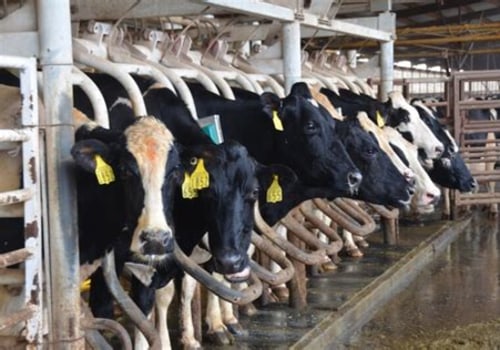
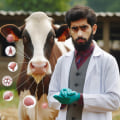
The origins of dairy farming can be traced back thousands of years, intertwining with the development of human civilization itself. Early evidence suggests that the domestication of cattle began around 10,000 years ago in regions such as the Middle East and parts of Europe. These early farmers recognized the value of milk as a vital food source, leading to the establishment of dairy practices that would evolve over millennia. In ancient societies, such as those in Mesopotamia and Egypt, dairy products were not only a staple in the diet but also held cultural significance. Archaeological findings indicate that people began to experiment with various methods of milk preservation, leading to the creation of cheese and yogurt.
These innovations were crucial for survival, especially in regions where fresh milk was not always available. The ability to store and transport dairy products allowed communities to thrive and expand. As civilizations progressed, so did the techniques associated with dairy farming. The introduction of specialized breeds for milk production and advancements in animal husbandry practices significantly increased yields. By the time of the Roman Empire, dairy farming had become an established industry, with various regions developing their unique products and methods.
This historical context not only highlights the importance of dairy farming in ancient economies but also sets the stage for understanding its evolution into a modern agricultural powerhouse.
Technological Advancements in Dairy Farming
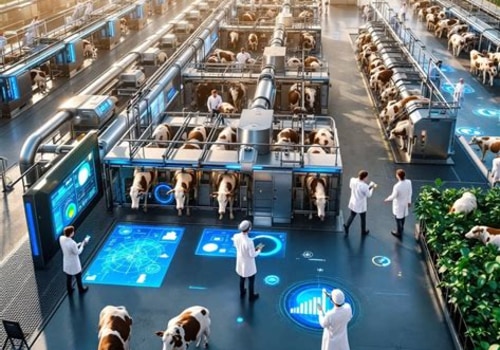
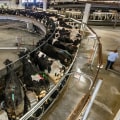
The evolution of dairy farming has been significantly influenced by technological advancements that have transformed traditional practices into modern, efficient operations. These innovations have not only improved productivity but also enhanced the overall quality of dairy products.One of the most notable advancements in dairy farming technology is the introduction of milking machines. These machines have replaced manual milking, allowing for faster and more hygienic milk extraction. Modern milking systems are equipped with sensors that monitor the health and productivity of each cow, ensuring optimal performance and early detection of potential health issues.Another critical development is the use of refrigeration technology.In the past, milk had to be processed and consumed quickly to prevent spoilage. Today, advanced refrigeration systems allow dairy farmers to store milk for extended periods without compromising quality. This has enabled farmers to transport their products over longer distances, expanding their market reach.
Automation
has also played a pivotal role in modern dairy farming. Automated feeding systems ensure that cows receive the right amount of feed at the right time, which not only improves their health but also enhances milk production.Additionally, robotic milking systems are becoming increasingly popular, allowing farmers to milk cows without human intervention, thus saving time and labor costs.Furthermore, data analytics and farm management software have emerged as essential tools for dairy farmers. These technologies enable farmers to track various metrics such as milk yield, feed efficiency, and herd health. By analyzing this data, farmers can make informed decisions that lead to improved operational efficiency and profitability.In conclusion, the integration of modern dairy equipment and technology has revolutionized the dairy farming industry. As these advancements continue to evolve, they promise to further enhance productivity and sustainability in dairy farming practices.
Changes in Dairy Farming Practices
The evolution of dairy farming practices has been significantly influenced by advancements in technology, changing consumer preferences, and a growing emphasis on sustainability.Historically, dairy farming was characterized by small-scale operations where farmers relied on traditional methods to manage their herds and produce milk. However, as the demand for dairy products increased, so did the need for more efficient and productive farming practices.One of the most notable shifts in dairy farming practices is the move towards sustainable dairy farming. This approach focuses on minimizing environmental impact while maintaining economic viability. Farmers are now adopting practices such as rotational grazing, which helps improve soil health and reduce erosion.
Additionally, many are implementing waste management systems that convert manure into renewable energy, thus reducing greenhouse gas emissions.Another significant trend is the rise of organic dairy farming. As consumers become more health-conscious and environmentally aware, the demand for organic products has surged. Organic dairy farms adhere to strict regulations that prohibit the use of synthetic fertilizers and pesticides, ensuring that the milk produced is free from harmful chemicals. This shift not only caters to consumer preferences but also promotes biodiversity and animal welfare.
- Technological Innovations: The integration of technology in dairy farming has led to improved herd management through data analytics and precision agriculture.
- Animal Welfare: Modern practices emphasize humane treatment of animals, with many farms adopting higher welfare standards.
- Consumer Education: Farmers are increasingly engaging with consumers to educate them about sustainable practices and the benefits of organic products.
As the industry continues to adapt to these changes, it is likely that we will see further innovations aimed at meeting both consumer demands and environmental responsibilities.
Economic Impact of Dairy Farming Over Time
The dairy farming industry has undergone significant transformations over the centuries, profoundly impacting both local and global economies. Historically, dairy farming was primarily a subsistence activity, providing essential nutrition for families and communities. However, as populations grew and urbanization increased, the economic significance of dairy farming expanded dramatically.In the early 20th century, advancements in technology and transportation revolutionized the dairy industry economics. The introduction of pasteurization and refrigeration allowed for longer shelf life and safer consumption of dairy products.This led to an increase in demand, prompting farmers to scale up operations. As a result, dairy farming transitioned from small family-run farms to larger commercial enterprises.
Revenue Trends in Dairy Farming
Today, the dairy farming sector is a multi-billion dollar industry. According to recent statistics, the U.S. dairy industry alone contributes over $600 billion annually to the national economy.This revenue is generated not only from milk sales but also from by-products such as cheese, yogurt, and butter.
- Local Economic Contributions: Dairy farms create jobs in rural areas, supporting local economies through employment opportunities in farming, processing, and distribution.
- Global Market Influence: The U.S. is one of the largest exporters of dairy products worldwide, influencing global market prices and trade dynamics.
- Sustainability Initiatives: As consumer preferences shift towards sustainable practices, many dairy farmers are adopting eco-friendly methods that not only enhance profitability but also contribute positively to their communities.
Regulatory Changes Affecting Dairy Farming
The dairy farming industry has undergone significant transformations over the years, largely influenced by various regulatory changes. These regulations are designed to ensure the safety of dairy products, protect the environment, and promote animal welfare.Understanding these regulations is crucial for farmers as they navigate compliance and adapt their practices accordingly.One of the most impactful areas of regulation has been health standards. The introduction of stringent health regulations, such as the Pasteurized Milk Ordinance (PMO), has set forth guidelines that dairy farmers must follow to ensure the safety and quality of milk. This includes regular testing for pathogens and contaminants, which has helped to reduce foodborne illnesses associated with dairy products.In addition to health standards, government policies on dairy have evolved to address environmental concerns. For instance, the Clean Water Act and the Clean Air Act impose restrictions on waste management and emissions from dairy farms.
Farmers are now required to implement best management practices (BMPs) to minimize runoff and protect local water sources. This shift towards sustainability not only helps in compliance but also enhances the public image of dairy farming.Moreover, regulations regarding animal welfare have gained prominence in recent years. Initiatives aimed at improving living conditions for dairy cattle have led to changes in housing, feeding, and healthcare practices on farms. Compliance with these regulations not only ensures ethical treatment of animals but also aligns with consumer preferences for humane farming practices.Overall, the impact of regulations on dairy farming is profound.
While compliance can be challenging and costly for farmers, it ultimately leads to a safer product for consumers and a more sustainable industry. As regulations continue to evolve, staying informed and adaptable will be key for dairy farmers aiming to thrive in this dynamic landscape.
Consumer Trends and Dairy Products
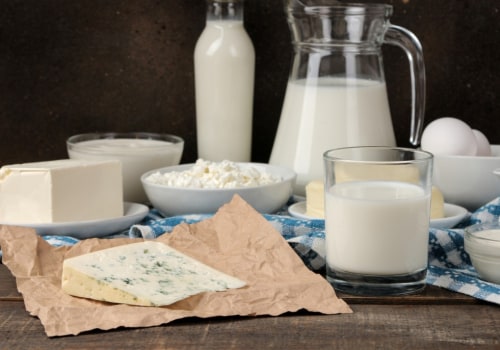
The dairy farming industry has witnessed significant shifts in consumer preferences over the years, reflecting broader trends in health consciousness and dietary choices. As consumers become more informed about nutrition and sustainability, their purchasing decisions regarding dairy products have evolved dramatically.One of the most notable trends is the increasing demand for plant-based alternatives. Products such as almond milk, soy yogurt, and oat-based cheeses have surged in popularity, appealing to those who are lactose intolerant or seeking to reduce their animal product consumption.According to recent studies, nearly 40% of consumers are actively trying to incorporate more plant-based options into their diets, which has prompted traditional dairy brands to innovate and expand their product lines.
Popular Dairy Products
- Greek Yogurt: Known for its high protein content, Greek yogurt has become a staple in many households, often seen as a healthier alternative to regular yogurt.
- Cheese Varieties: Specialty cheeses, including artisanal and aged varieties, have gained traction among gourmet consumers looking for unique flavors.
- Functional Dairy: Products fortified with probiotics or vitamins are increasingly popular as consumers seek health benefits beyond basic nutrition.
Future Trends in Dairy Farming
The future of dairy farming is poised for significant transformation, driven by advancements in technology and changing consumer preferences.As the industry adapts to these shifts, several key trends are emerging that will shape the landscape of dairy production.
Technological Innovations
One of the most notable trends is the integration of smart farming technologies. Innovations such as Internet of Things (IoT) devices, artificial intelligence (AI), and big data analytics are becoming increasingly prevalent in dairy operations. These technologies enable farmers to monitor herd health, optimize feeding practices, and improve overall farm management efficiency.Sustainable Practices
Another critical trend is the growing emphasis on sustainability. Consumers are more conscious of the environmental impact of their food choices, prompting dairy farmers to adopt sustainable practices.This includes implementing regenerative agriculture techniques, reducing greenhouse gas emissions, and improving water management. As a result, many farms are exploring ways to produce milk with a lower carbon footprint.
Alternative Dairy Products
The rise of plant-based alternatives is also influencing the dairy industry. With an increasing number of consumers opting for non-dairy options, traditional dairy producers are diversifying their product lines to include alternatives made from nuts, soy, and oats. This shift not only caters to changing dietary preferences but also opens new markets for dairy farmers.Consumer Engagement
Engaging with consumers through transparency and education is becoming essential.Dairy farmers are leveraging social media and digital platforms to share their stories and practices, fostering a connection with consumers who want to know where their food comes from. This trend towards transparency can enhance brand loyalty and trust.In conclusion, the trends in agriculture, particularly within the dairy sector, indicate a future that embraces technology, sustainability, and consumer engagement. As these trends continue to evolve, they will undoubtedly redefine how dairy farming operates and interacts with the global market.