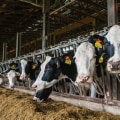
The dairy farming industry plays a crucial role in the agricultural landscape, providing essential products such as milk, cheese, and yogurt that are staples in many households. As consumer preferences evolve and the demand for dairy products continues to grow, understanding the dynamics of this sector becomes increasingly important. The dairy market is influenced by various factors, including health trends, sustainability concerns, and technological advancements that shape production and distribution methods. In recent years, there has been a noticeable shift towards organic and locally sourced dairy products, reflecting a broader trend in the food industry where consumers are more conscious of their choices. This has led to an increase in the popularity of artisanal dairy products, which often command higher prices and foster a closer connection between producers and consumers.
Additionally, the rise of e-commerce has opened new avenues for dairy farmers to reach their customers directly, bypassing traditional retail channels. As we delve deeper into the marketing strategies employed by dairy farmers, it is essential to consider these industry trends and market analyses. By leveraging insights into consumer behavior and preferences, dairy farmers can craft effective marketing campaigns that resonate with their target audience. Understanding the dairy farming landscape not only helps in identifying opportunities but also in navigating challenges that arise in this competitive market.
Direct-to-Consumer Marketing Strategies
In recent years, direct-to-consumer marketing has emerged as a vital strategy for dairy farmers looking to enhance their sales and build lasting relationships with customers. By bypassing traditional retail channels, farmers can connect directly with consumers, offering fresher products and fostering a sense of community.One effective method for dairy farmers is participating in farmers' markets.These local events allow farmers to showcase their products, engage with customers, and receive immediate feedback. Setting up a booth at a farmers' market not only increases visibility but also provides an opportunity to share the story behind the farm, which can resonate deeply with consumers who value transparency and sustainability.Another growing trend is the implementation of subscription services. By offering regular deliveries of dairy products such as milk, cheese, and yogurt, farmers can create a steady revenue stream while ensuring that customers receive fresh products on a consistent basis. This model not only simplifies the purchasing process for consumers but also encourages loyalty as they become accustomed to receiving their favorite dairy items directly from the source.Additionally, establishing an online sales platform can significantly expand a dairy farmer's reach.
With the rise of e-commerce, having a user-friendly website where customers can browse products and place orders is essential. Farmers can leverage social media to promote their online store, share recipes, and engage with their audience through interactive content.Ultimately, successful direct-to-consumer marketing hinges on building strong relationships with customers. Engaging with them through newsletters, social media updates, and personalized communication fosters trust and encourages repeat business. By prioritizing customer engagement and utilizing these strategies, dairy farmers can effectively navigate the evolving market landscape while promoting their high-quality products.
Leveraging Social Media for Dairy Marketing
In today's digital age, social media has become an essential tool for dairy farmers looking to enhance their marketing efforts.Platforms like Instagram and Facebook offer unique opportunities to connect with consumers, showcase products, and share the stories behind the farm.
Creating Engaging Content
- Visual Storytelling: Use high-quality images and videos to highlight daily farm activities, animal care, and product offerings. Authentic visuals can create a strong emotional connection with your audience.
- Behind-the-Scenes Insights: Share the journey of your dairy products from farm to table. This transparency builds trust and encourages consumers to support local farms.
- Educational Posts: Inform your audience about the benefits of dairy products, sustainable farming practices, and nutritional information. This positions you as an expert in the field.
Engaging with Your Audience
- Respond to Comments: Actively engage with followers by responding to comments and messages.
This interaction fosters a sense of community and loyalty among your audience.
- Host Contests and Giveaways: Encourage participation by hosting contests that require users to share your content or tag friends. This can significantly increase your reach.
- Utilize Stories and Live Videos: Use features like Instagram Stories or Facebook Live to provide real-time updates or Q&A sessions. This creates a dynamic way to connect with your audience.
Targeting Your Marketing Efforts
Utilize targeted advertising on platforms like Facebook to reach specific demographics interested in dairy products. Tailor your ads based on location, interests, and behaviors to maximize engagement.By effectively leveraging social media, dairy farmers can not only promote their products but also build a loyal customer base that values transparency and community engagement.
Branding and Packaging Strategies in Dairy Farming
In the competitive landscape of dairy farming, effective branding and packaging strategies are essential for standing out in the market.A strong brand identity not only helps in attracting customers but also fosters loyalty and trust among consumers.
Elements of Effective Branding
When developing a brand for dairy products, several key elements should be considered:- Logo Design: A memorable logo can encapsulate the essence of a dairy farm. It should reflect the farm's values, whether that be organic practices, family heritage, or local sourcing.
- Product Labeling: Clear and informative labels are crucial. They should include essential information such as nutritional content, sourcing details, and any certifications (like organic or non-GMO) that can enhance credibility.
- Brand Story: Sharing the story behind the dairy farm can create an emotional connection with consumers. Highlighting sustainable practices or community involvement can resonate well with today's environmentally conscious shoppers.
Sustainable Packaging Solutions
The choice of packaging plays a significant role in both branding and environmental impact.Dairy farmers are increasingly opting for sustainable packaging solutions that appeal to eco-conscious consumers. Here are some considerations:
- Materials: Using biodegradable or recyclable materials can enhance a brand's image and attract customers who prioritize sustainability.
- Design: Packaging design should not only be visually appealing but also functional. Easy-to-open containers and resealable options can improve user experience.
- Transparency: Clearly communicating the sustainability efforts on packaging can further strengthen brand identity and consumer trust.
Collaborations and Partnerships in the Dairy Sector
In the competitive landscape of dairy farming, forming strategic collaborations and partnerships can significantly enhance marketing efforts and community presence.By working together with local businesses and organizations, dairy farmers can create mutually beneficial relationships that not only promote their products but also strengthen community ties.
Collaborations with Local Businesses
- Farmers' Markets: Partnering with local farmers' markets allows dairy farmers to showcase their products directly to consumers, fostering a personal connection and encouraging local purchases.
- Restaurants and Cafés: Collaborating with local eateries to feature dairy products in their menus can increase visibility and drive sales. For instance, a café might use locally sourced milk for its coffee, promoting both the dairy farm and the establishment.
- Food Co-ops: Joining forces with food cooperatives can help dairy farmers reach health-conscious consumers who prioritize local and sustainable products.
Community Engagement in Dairy Farming
Engaging with the community is another vital aspect of successful marketing strategies. Dairy farmers can host events such as:
- Farm Tours: Inviting the public to tour their farms helps demystify the dairy production process and builds trust with consumers.
- Workshops: Offering workshops on topics like cheese-making or sustainable farming practices can position farmers as experts in their field while promoting their products.
- School Programs: Collaborating with local schools to provide educational programs about dairy farming can foster a sense of community involvement and encourage future generations to support local agriculture.
Utilizing Technology for Marketing Dairy Products
In the modern landscape of dairy farming, leveraging technology is essential for effective marketing.By utilizing various digital tools, dairy farmers can enhance their outreach and streamline their marketing efforts.
E-commerce platforms
have revolutionized how dairy products are sold. Farmers can set up online stores to sell their products directly to consumers, eliminating the need for middlemen. This not only increases profit margins but also allows farmers to build a direct relationship with their customers. Popular platforms like Shopify and WooCommerce provide user-friendly interfaces for farmers to showcase their products, manage inventory, and process payments securely.Moreover, mobile apps are becoming increasingly popular in the dairy industry.These applications can facilitate everything from ordering to delivery tracking. For instance, apps that connect local consumers with nearby dairy farms can help promote fresh products while supporting local economies. Additionally, farmers can use mobile technology to send notifications about new products or special promotions, keeping customers engaged and informed.Data analytics plays a crucial role in understanding consumer behavior and preferences. By analyzing sales data and customer feedback, dairy farmers can tailor their marketing strategies to better meet the needs of their audience.
For example, if data shows that a particular product is gaining popularity, farmers can increase production or create targeted marketing campaigns to promote it further.Furthermore, social media platforms serve as powerful tools for digital marketing. Farmers can share stories about their practices, showcase their products, and engage with customers in real-time. Platforms like Instagram and Facebook allow for visually appealing content that can attract a wider audience. Regular updates about farm activities or behind-the-scenes glimpses can foster a sense of community and loyalty among consumers.In conclusion, embracing technology in dairy farming not only enhances marketing efforts but also helps farmers connect with consumers more effectively.
By utilizing e-commerce platforms, mobile apps, data analytics, and social media, dairy farmers can reach a broader audience and ultimately drive sales.
Sustainability as a Marketing Strategy in Dairy Farming
In recent years, sustainability has emerged as a pivotal marketing strategy for dairy farmers, aligning their practices with the growing consumer demand for environmentally friendly products. By adopting sustainable dairy farming practices, farmers not only contribute to the health of the planet but also enhance their brand's appeal to eco-conscious consumers.One effective approach is implementing regenerative agriculture, which focuses on improving soil health, increasing biodiversity, and reducing carbon footprints. Techniques such as crop rotation, cover cropping, and reduced tillage can significantly enhance soil quality and promote a healthier ecosystem. These practices not only benefit the environment but also lead to higher-quality milk production.Another key aspect of sustainability in dairy farming is the management of water resources.Farmers can adopt water conservation techniques, such as rainwater harvesting and efficient irrigation systems, to minimize water usage. This not only reduces operational costs but also addresses consumer concerns about water scarcity.To effectively communicate these sustainable efforts, dairy farmers should leverage eco-friendly marketing strategies. This includes:
- Transparency: Sharing detailed information about farming practices through social media, websites, and packaging can build trust with consumers.
- Certifications: Obtaining certifications such as organic or animal welfare standards can serve as a powerful marketing tool that signals commitment to sustainability.
- Storytelling: Crafting compelling narratives around the farm's sustainability journey can resonate with consumers and foster a deeper connection to the brand.
FAQs About Dairy Farming Marketing Strategies
Marketing in dairy farming can be complex, and many farmers have questions about effective strategies.Here are some frequently asked questions that address common concerns and misconceptions.
What are the most common marketing strategies used by dairy farmers?
Dairy farmers often utilize a variety of marketing strategies to reach their target audience. Some of the most common include:- Direct Sales: Selling products directly to consumers through farmers' markets or on-farm stores.
- Online Marketing: Utilizing social media platforms and websites to promote products and engage with customers.
- Branding: Creating a strong brand identity that resonates with consumers, emphasizing quality and sustainability.
- Partnerships: Collaborating with local businesses, restaurants, and grocery stores to expand market reach.
What challenges do dairy farmers face in marketing?
Dairy farmers encounter several challenges when it comes to marketing their products:- Market Competition: Competing with larger dairy operations and alternative milk products can be tough.
- Consumer Preferences: Shifts in consumer preferences towards plant-based alternatives may impact sales.
- Regulatory Issues: Navigating food safety regulations and labeling requirements can complicate marketing efforts.
What are some effective marketing tips for dairy farmers?
To enhance their marketing efforts, dairy farmers can consider the following tips:- Engage with Customers: Build relationships through social media and community events to foster loyalty.
- Highlight Unique Selling Points: Emphasize what makes your dairy products special, such as organic practices or local sourcing.
- Utilize Seasonal Promotions: Create special offers during holidays or local events to attract more customers.
Conclusion: Key Takeaways on Dairy Marketing Strategies
In conclusion, the success of dairy farming hinges significantly on the implementation of effective marketing strategies. Throughout this article, we have explored various approaches that dairy farmers can adopt to enhance their market presence and profitability.Key Takeaways:- Understanding Your Market: Identifying target consumers and understanding their preferences is crucial. This knowledge allows dairy farmers to tailor their products and marketing messages effectively.
- Diverse Product Offerings: Expanding product lines beyond traditional milk to include cheese, yogurt, and organic options can attract a broader customer base and meet varying consumer demands.
- Utilizing Digital Marketing: Embracing online platforms for marketing, such as social media and e-commerce, enables dairy farmers to reach a wider audience and engage with consumers directly.
- Building Strong Relationships: Establishing connections with local retailers, restaurants, and distributors can enhance visibility and create loyal partnerships that benefit both parties.
- Emphasizing Sustainability: Highlighting sustainable practices in dairy farming not only appeals to environmentally conscious consumers but also enhances brand reputation.
The integration of innovative marketing techniques with traditional practices will not only improve sales but also foster long-term relationships with customers. Ultimately, a well-rounded marketing approach is essential for thriving in the dynamic world of dairy farming.