Dairy farming is a vital component of the agricultural industry, providing a significant source of nutrition and economic stability. At the heart of this operation lies the milking process, which is essential for producing milk and dairy products that are staples in many households. Understanding how milking is conducted on a dairy farm not only highlights the hard work and dedication of farmers but also emphasizes the intricate systems in place to ensure quality and efficiency. The milking process involves several steps, from preparing the cows to the actual extraction of milk. Farmers must be knowledgeable about cow behavior, health, and nutrition to maintain a productive herd.
Each cow has its own unique milking schedule, and farmers must monitor their needs closely to optimize milk production. This careful attention to detail ensures that the cows are healthy and comfortable, which directly impacts the quality of the milk produced. Moreover, modern dairy farm operations have evolved significantly with advancements in technology. Automated milking systems and improved hygiene practices have transformed traditional methods, making the process more efficient while ensuring high standards of animal welfare. As we delve deeper into the specifics of cow milking, it becomes clear that this practice is not just about collecting milk; it is a complex interplay of animal husbandry, technology, and sustainable farming practices that together support the dairy industry.
The Role of Dairy Cows in Milk Production
Dairy farming relies heavily on the role of dairy cows, which are specifically bred and raised for their ability to produce milk.Understanding the different breeds of dairy cows is essential for appreciating their contributions to milk production.
Common Breeds of Dairy Cows
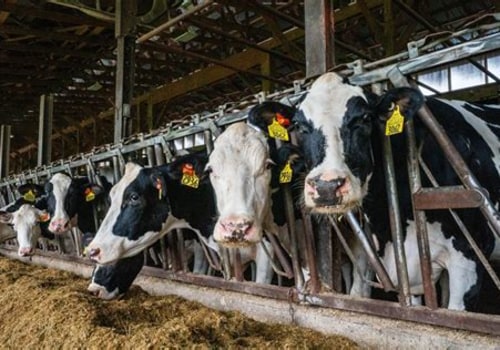
- Holstein: Known for their distinctive black and white markings, Holsteins are the most popular dairy breed in the United States. They are recognized for their high milk yield, producing an average of 22,000 pounds of milk per year.
- Jersey: Jerseys are smaller in size but are renowned for their rich, creamy milk, which has a higher butterfat content. This breed is often favored for cheese production.
- Guernsey: Guernseys are known for their golden-yellow milk, which is rich in beta-carotene. They are also recognized for their gentle temperament and efficient feed-to-milk conversion.
- Ayrshire: Originating from Scotland, Ayrshires are valued for their adaptability and good health.
They produce a moderate amount of milk with a balanced fat content.
By recognizing these differences, we can better appreciate the intricate processes involved in milk production.
Preparing for Milking: Farm Setup and Equipment
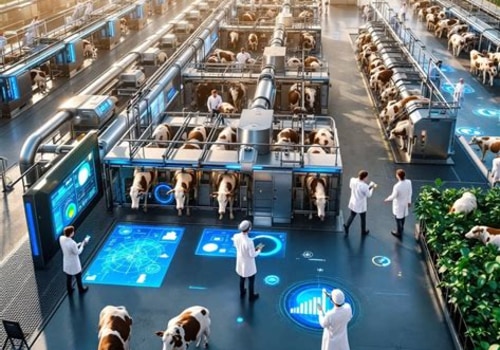
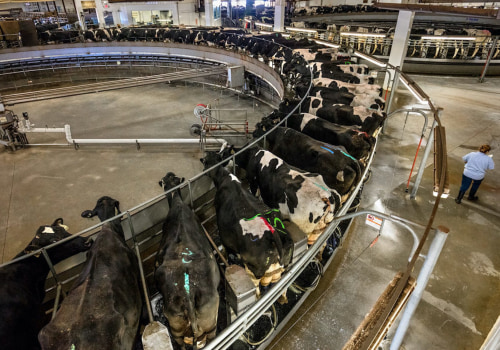
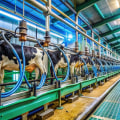
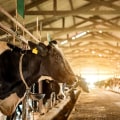
Efficient milking on a dairy farm begins with a well-thought-out setup and the right equipment. The design of the milking parlor is crucial, as it directly impacts the workflow and overall productivity. A typical milking parlor can be designed in various configurations, including herringbone, parallel, or rotary systems, each offering unique advantages depending on the size of the herd and the farm's operational goals.In addition to the layout, milking equipment plays a vital role in ensuring a smooth process. Modern dairy farms utilize automated milking systems that not only enhance efficiency but also improve cow comfort.These systems often include:
- Milking machines: Designed to mimic the natural suckling of calves, these machines are equipped with pulsators that create a rhythmic action, ensuring gentle and effective milking.
- Milk storage tanks: After milking, milk is transferred to refrigerated storage tanks that maintain optimal temperatures to preserve quality.
- Cleaning systems: Hygiene is paramount in dairy farming; therefore, automated cleaning systems are essential for maintaining equipment and ensuring milk safety.
- Crowding pens: These allow for efficient movement of cows into the milking parlor.
- Squeeze chutes: Used for individual cow handling during health checks or treatments.
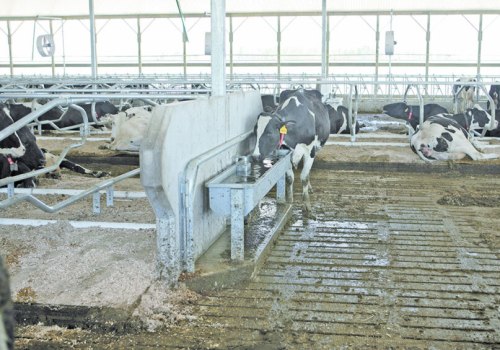
- Non-slip flooring: Essential for preventing injuries and ensuring safety during milking operations.
By investing in the right setup and equipment, dairy farmers can ensure a successful milking process that prioritizes both animal welfare and product quality.
The Milking Process: Step-by-Step Guide
Understanding the milking process is essential for anyone involved in dairy farming. This guide will walk you through the steps of milking a cow, highlighting both manual and machine methods.Step 1: Preparation
Before milking begins, it’s crucial to prepare both the cow and the environment. Ensure that the milking area is clean and free from distractions. Cows should be calm; this can be achieved by gently handling them and providing a comfortable space.Step 2: Cleaning the Udder
Once the cow is in place, the next step is to clean the udder.Use warm water and a clean cloth to wipe away any dirt or debris. This not only helps maintain hygiene but also stimulates milk flow.
Step 3: Manual Milking Technique
If you are using the manual milking technique, follow these steps:- Position yourself comfortably beside the cow.
- Gently grasp a teat with your thumb and forefinger.
- Apply pressure to squeeze downwards while pulling gently to express milk.
- Repeat this process rhythmically for each teat until milking is complete.
Step 4: Machine Milking Technique
For those using a milking machine, the process is slightly different:- Attach the machine’s teat cups securely to each teat.
- Ensure that the vacuum pressure is set correctly to avoid discomfort for the cow.
- Monitor the machine as it operates, ensuring it functions smoothly without causing stress to the animal.
Step 5: Post-Milking Care
After milking, it’s important to provide post-milking care:- Apply a soothing antiseptic solution to each teat to prevent infections.
- Ensure that cows have access to fresh water and feed after milking.
Post-Milking Procedures: Ensuring Quality and Safety
After the milking process is complete, post-milking procedures play a crucial role in maintaining the quality and safety of the milk produced on a dairy farm. These procedures ensure that the milk remains uncontaminated and is stored properly for distribution.One of the first steps in post-milking procedures is to clean and sanitize the milking equipment.This includes:
- Rinsing the equipment with warm water to remove any residual milk.
- Applying a suitable cleaning solution to eliminate bacteria and other contaminants.
- Rinsing again with clean water to ensure no cleaning agents remain.
- Drying the equipment thoroughly to prevent bacterial growth.
- Cleaning barn areas where cows are housed.
- Regularly checking for pests that could contaminate the milk supply.
- Ensuring that all personnel follow strict hygiene protocols, including handwashing and wearing clean clothing.
The ideal storage temperature is below 40°F (4°C). Key practices include:
- Using insulated tanks that maintain low temperatures during transport.
- Regularly monitoring storage temperatures to ensure compliance with safety standards.
- Conducting quality tests, such as checking for somatic cell counts and bacterial levels, before milk leaves the farm.
Common Challenges in Dairy Farming and Milking
Dairy farming is a rewarding yet challenging endeavor, particularly when it comes to the milking process. Farmers often encounter a variety of challenges that can impact both cow health and milk production.Cow Health Issues
One of the primary challenges in dairy farming is maintaining the health of the cows.Health issues
such as mastitis, lameness, and metabolic disorders can significantly affect milk yield and quality.Mastitis, an infection of the udder, is particularly concerning as it not only reduces milk production but can also lead to severe health complications for the cow.
Milking Problems
Another common issue is related to the milking process itself. Problems such as improper milking techniques or equipment malfunctions can lead to stress for the cows and suboptimal milk extraction. For instance, if milking machines are not calibrated correctly, they may cause discomfort or injury to the cows.Solutions for Dairy Farmers
To address these challenges, dairy farmers can implement several strategies:- Regular Health Checks: Conducting routine veterinary check-ups can help identify and treat health issues early.
- Proper Milking Techniques: Training staff on correct milking procedures ensures that cows are handled gently and efficiently.
- Equipment Maintenance: Regularly servicing milking equipment can prevent malfunctions and ensure optimal performance.
- Nutritional Management: Providing a balanced diet tailored to the needs of lactating cows can improve overall health and milk production.
FAQs About Milking Cows on Dairy Farms
When it comes to dairy farming, many people have questions about the milking process and the care of cows. Here are some frequently asked questions that can help clarify common misconceptions and provide valuable insights.What is the best time to milk cows?
Cows are typically milked twice a day, usually in the early morning and late afternoon.This schedule helps maintain their milk production levels and ensures the cows are comfortable.
How do farmers ensure cow comfort during milking?
Comfort is crucial for both the cow's well-being and milk quality. Farmers often use:- Clean environments: Keeping milking areas clean reduces stress and prevents infections.
- Gentle handling: Cows are handled calmly to minimize anxiety.
- Proper equipment: Modern milking machines are designed to be gentle on the udder, ensuring a comfortable experience.
What techniques are used in milking?
There are two primary techniques used in dairy farming:- Machine milking: This is the most common method, where machines gently extract milk from the udder.
- Hand milking: Although less common today, some farmers still use this traditional method, especially in smaller operations or for specific breeds.
How often do cows need to be milked?
Cows should be milked at least twice a day to maintain their health and productivity. Some farms may opt for three times a day milking, depending on the cow's breed and individual needs.What happens if a cow is not milked regularly?
If cows are not milked regularly, it can lead to discomfort, health issues such as mastitis, and decreased milk production. Regular milking is essential for both the cow's health and the efficiency of dairy farming.Understanding these aspects of milking cows can help demystify the dairy farming process and highlight the care that goes into maintaining healthy livestock.Conclusion: The Importance of Sustainable Dairy Farming Practices
In conclusion, the process of milking a cow on a dairy farm is not just a routine task; it is a vital component of dairy farming that requires careful consideration of both animal welfare and environmental sustainability.As we have explored, the methods employed in milking can significantly impact the health of the cows, the quality of the milk produced, and the overall efficiency of the farm.Implementing sustainable dairy farming practices is essential for ensuring that future generations can continue to enjoy dairy products without compromising the health of our planet. Here are some key points to consider:
- Animal Welfare: Prioritizing the well-being of dairy cows leads to better milk production and healthier animals. Practices such as providing comfortable living conditions and proper nutrition are crucial.
- Environmental Impact: Sustainable practices, such as managing waste effectively and reducing water usage, help minimize the ecological footprint of dairy farms.
- Community Engagement: Supporting local communities through fair trade practices and transparency in operations fosters trust and encourages sustainable consumption.
- Innovation and Technology: Embracing new technologies can enhance efficiency in milking processes while also promoting sustainability through better resource management.