In the realm of dairy farming, ensuring the safety and quality of milk products is not just a regulatory requirement; it is a fundamental commitment to consumers and the industry at large. The journey of milk from farm to table involves meticulous practices that safeguard its integrity, reflecting the dedication of dairy farmers to produce wholesome and safe products. With increasing consumer awareness and demand for transparency, the emphasis on milk safety has never been more critical. Milk is a perishable product that can harbor pathogens if not handled correctly. Therefore, dairy farmers implement stringent quality assurance measures throughout the milking process.
From maintaining optimal hygiene standards in milking parlors to ensuring that cows are healthy and well-cared for, every step is designed to minimize risks. Farmers regularly monitor their herds for health issues and employ advanced technologies to track milk quality, ensuring that only the best reaches consumers. Moreover, the importance of dairy farming practices extends beyond just safety; it encompasses sustainability and ethical treatment of animals. By adopting best practices in animal husbandry and environmental stewardship, dairy farmers not only enhance the quality of their milk but also contribute positively to their communities and ecosystems. This holistic approach not only reassures consumers about the safety of their milk but also fosters trust in the dairy industry as a whole.
Understanding Dairy Farming: An Overview
Dairy farming is a vital agricultural practice that focuses on the production of milk and dairy products.It encompasses a range of operations, from the care of dairy cows to the processing and distribution of milk. Understanding the intricacies of dairy farm operations is essential for appreciating how farmers ensure the safety and quality of their products.At its core, dairy farming involves several key components:
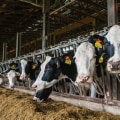
- Animal Husbandry: The health and well-being of dairy cows are paramount. Farmers implement strict health protocols, including regular veterinary check-ups, vaccinations, and a balanced diet to ensure optimal milk production.
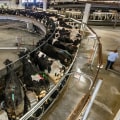
- Milking Process: The milking process is typically automated in modern dairy farms. Milking machines are used to extract milk efficiently while minimizing stress on the animals.
This process is closely monitored to maintain hygiene and prevent contamination.
- Milk Storage and Cooling: After milking, the milk is quickly cooled and stored in refrigerated tanks to preserve its freshness. Maintaining the right temperature is crucial to inhibit bacterial growth and ensure product safety.
- Quality Control: Dairy farmers conduct regular testing of milk for quality assurance. This includes checking for somatic cell counts, bacterial levels, and other quality indicators to ensure that only safe, high-quality milk reaches consumers.
Farmers often collaborate with processing plants to ensure that their milk meets industry standards.In summary, understanding dairy farming involves recognizing the comprehensive operations that contribute to safe and high-quality milk production. From animal care to processing techniques, each step plays a crucial role in delivering nutritious dairy products to consumers.
Hygiene Practices on Dairy Farms
Ensuring the safety and quality of milk products begins with stringent hygiene practices on dairy farms. These practices are essential to prevent contamination and maintain the integrity of milk from the moment it is produced until it reaches consumers.Sanitation Practices
- Regular Cleaning: Dairy farmers implement a rigorous cleaning schedule for all equipment, including milking machines, storage tanks, and transport vehicles. This helps eliminate any residual bacteria that could compromise milk quality.
- Personal Hygiene: Farmers and workers are trained to follow strict personal hygiene protocols.
This includes wearing clean clothing, using gloves, and practicing handwashing before and after handling animals or equipment.
- Animal Health Monitoring: Healthy cows produce high-quality milk. Farmers regularly monitor the health of their herd, ensuring vaccinations are up to date and any sick animals are promptly treated or isolated.
Milk Quality Control
- Regular Testing: Milk is routinely tested for bacterial counts, somatic cell counts, and antibiotic residues. These tests help ensure that only milk meeting safety standards is processed.
- Temperature Control: Maintaining proper temperature during storage and transportation is crucial. Milk should be cooled immediately after milking to inhibit bacterial growth.
- Traceability Systems: Many dairy farms implement traceability systems that track milk from farm to consumer.
This transparency helps identify any potential issues quickly and ensures accountability.
Animal Health and Welfare: Key to Quality Milk
Ensuring the health and welfare of dairy cows is paramount in dairy farming, as it directly impacts the quality and safety of milk products. Healthy cows produce higher quantities of milk with better nutritional profiles, which is essential for consumer satisfaction and public health.Animal Health Management
- Dairy farmers implement rigorous health management programs that include regular veterinary check-ups, vaccinations, and disease prevention strategies.
- Monitoring cow health through daily observations allows farmers to identify any signs of illness early, ensuring prompt treatment.
- Nutrition plays a critical role; providing a balanced diet rich in essential nutrients supports immune function and overall well-being.
Cow Welfare Practices
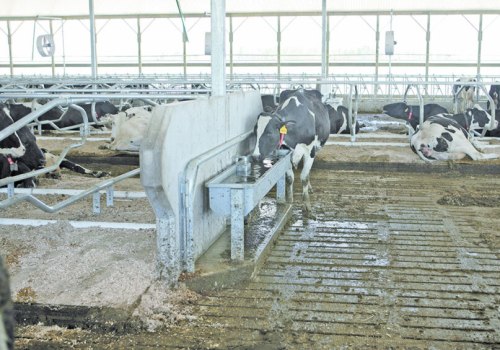
- Providing comfortable living conditions, including clean bedding and adequate space, reduces stress and promotes natural behaviors.
- Access to pasture or outdoor spaces enhances the physical and mental health of dairy cows, contributing to higher milk quality.
- Farmers often use low-stress handling techniques during milking and veterinary procedures to minimize anxiety in cows.
By investing in the well-being of their animals, dairy farmers can enhance their product offerings while promoting sustainable practices within the industry.
Milking Procedures and Technology Used in Dairy Farms
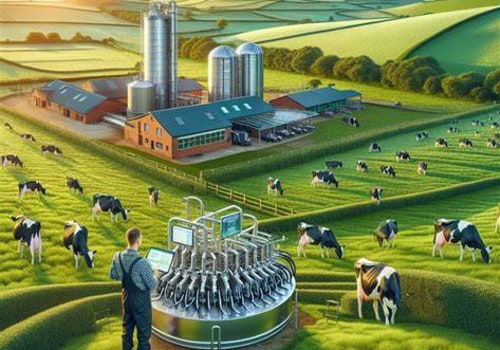
Ensuring the safety and quality of milk begins with milking procedures that prioritize hygiene and efficiency. Dairy farmers implement a series of standardized practices to maintain the integrity of milk from the moment it is extracted from the cow.One of the most significant advancements in dairy farming is the adoption of automated milking systems. These systems not only streamline the milking process but also enhance cleanliness. Automated milking machines are designed to minimize human contact, reducing the risk of contamination.The machines are equipped with sensors that detect when a cow is ready to be milked, ensuring that each animal is milked at optimal times.Before milking begins, thorough cleaning procedures are essential. Farmers typically wash the udders of cows with warm water and a sanitizing solution to eliminate any bacteria. This step is crucial as it directly impacts the quality of the milk produced. Additionally, many farms utilize pre-milking disinfectants to further ensure that the milking environment is sterile.During the milking process, milk quality monitoring technology plays a vital role.
Many automated systems are equipped with sensors that continuously monitor milk for quality indicators such as temperature, conductivity, and somatic cell counts. This real-time data allows farmers to detect any abnormalities immediately, ensuring that only high-quality milk enters storage tanks.After extraction, milk is quickly transferred to refrigerated storage tanks, where it is kept at low temperatures to prevent bacterial growth. The use of bulk tanks equipped with cooling systems ensures that milk remains fresh until it is transported for processing.In summary, modern milking technology and stringent milking procedures are essential components in dairy farming that help ensure the safety and quality of milk products. By leveraging automation and adhering to strict hygiene standards, dairy farmers can provide consumers with safe and high-quality dairy products.
Testing and Monitoring Milk Quality
Ensuring the safety and quality of milk products is a critical aspect of dairy farming.To achieve this, farmers employ a variety of testing methods and monitoring techniques throughout the production process.
Milk Testing Methods
One of the primary methods for testing milk quality is through laboratory analysis. This involves collecting samples from the milk tank and sending them to accredited laboratories where they undergo rigorous testing. Common tests include:- Bacterial Count: This test measures the number of bacteria present in the milk, which can indicate hygiene levels during milking and storage.
- Somatic Cell Count (SCC): A high SCC can signal mastitis in cows, affecting both milk quality and animal health.
- Fat and Protein Content: Analyzing these components helps determine the nutritional value of the milk and its suitability for various dairy products.
- Antibiotic Residue Testing: Ensuring that no harmful residues are present is crucial for consumer safety.
Quality Monitoring Practices
In addition to laboratory tests, dairy farmers implement several on-farm monitoring practices to maintain milk quality:- Regular Equipment Cleaning: Milking equipment must be cleaned and sanitized regularly to prevent contamination.
- Cow Health Monitoring: Keeping track of the health of dairy cows is essential. Healthy cows produce higher quality milk.
- Temperature Control: Milk must be cooled quickly after milking to inhibit bacterial growth.
Farmers monitor storage temperatures rigorously.
Regulatory Standards and Compliance in Dairy Farming
The dairy industry is governed by a comprehensive set of regulatory standards and compliance measures designed to ensure the safety and quality of milk products. These regulations are crucial for maintaining public health and consumer trust in dairy farming.In the United States, the Food and Drug Administration (FDA) plays a pivotal role in establishing food safety laws that apply to dairy products. The FDA's Grade A Pasteurized Milk Ordinance (PMO) sets forth guidelines for milk production, processing, and distribution.This ordinance covers various aspects, including:
- Hygiene practices: Farmers must adhere to strict sanitation protocols to prevent contamination during milking and processing.
- Animal health: Regular veterinary checks and vaccinations are mandated to ensure that dairy cows are healthy and free from diseases that could affect milk quality.
- Milk testing: Routine testing for somatic cell counts, bacteria levels, and antibiotic residues is required to ensure that the milk meets safety standards.
By following these guidelines, dairy farmers not only protect public health but also enhance their reputation in a competitive market.
Sustainability Practices in Dairy Farming for Quality Assurance
Sustainable practices in dairy farming are essential not only for the health of the environment but also for ensuring the quality and safety of milk products. By adopting methods that prioritize ecological balance, dairy farmers can enhance the nutritional value of their milk while minimizing their environmental footprint.One of the key components of sustainable dairy farming is nutrient management. Farmers implement precision feeding techniques to optimize the diet of their cows, which leads to better milk production and quality. This approach reduces waste and ensures that nutrients are efficiently utilized, resulting in healthier animals and higher-quality milk.Additionally, many dairy farms are now utilizing renewable energy sources, such as solar and wind power, to reduce their reliance on fossil fuels.This shift not only lowers greenhouse gas emissions but also contributes to a more sustainable operation overall. By investing in energy-efficient technologies, farmers can lower operational costs while maintaining high standards of milk quality.Water conservation is another critical aspect of sustainability in dairy farming. Implementing advanced irrigation systems and recycling water used in milking processes helps to ensure that water resources are used efficiently. This practice not only conserves a vital resource but also supports the health of the cows, which is directly linked to the quality of milk produced.Moreover, sustainable dairy farms often engage in agroecological practices, such as crop rotation and cover cropping, which improve soil health and biodiversity.
Healthy soils lead to better forage quality, which in turn enhances milk quality. By fostering a diverse ecosystem on their farms, dairy producers can create a more resilient agricultural system that supports both animal welfare and product safety.In conclusion, the integration of sustainability practices in dairy farming not only addresses environmental concerns but also plays a crucial role in ensuring the safety and quality of milk products. By focusing on nutrient management, renewable energy, water conservation, and agroecological practices, dairy farmers can produce high-quality milk while protecting the planet for future generations.
FAQs About Dairy Farming and Milk Safety
When it comes to dairy farming, many consumers have questions about the safety and quality of milk products. Here are some frequently asked questions that help clarify common misconceptions:- How is milk tested for safety?Dairy farmers conduct regular testing of milk for contaminants such as bacteria, antibiotics, and somatic cell counts.
These tests ensure that the milk meets safety standards set by regulatory agencies.
- What measures do dairy farmers take to maintain hygiene?Hygiene is paramount in dairy farming. Farmers implement strict sanitation protocols, including regular cleaning of milking equipment and facilities, to prevent contamination.
- Are hormones and antibiotics used in dairy farming?While some farmers may use antibiotics to treat sick cows, there are strict regulations regarding their use. Milk from treated cows is withheld from the market until all residues are cleared. Additionally, the use of growth hormones is a controversial topic, and many farmers choose not to use them.
- How do dairy farmers ensure animal welfare?Many dairy farms adhere to animal welfare standards that promote the health and well-being of cows.
This includes providing adequate space, proper nutrition, and veterinary care.
- What should consumers look for when buying milk?Consumers can look for labels such as "organic" or "hormone-free" to make informed choices. Additionally, checking for certifications from reputable organizations can provide assurance of quality.
Conclusion: The Future of Milk Safety and Quality in Dairy Farming
As we look towards the future of milk safety and quality in dairy farming, it is clear that the industry is poised for significant advancements. The commitment to ensuring that milk products are safe and of high quality is not just a current priority but a long-term necessity. One of the most promising trends is the integration of technology in dairy operations.Innovations such as automated milking systems, real-time monitoring of cow health, and advanced data analytics are transforming how dairy farmers manage their herds. These technologies enable farmers to detect potential health issues early, ensuring that only healthy cows contribute to milk production. Moreover, the implementation of stringent quality control measures throughout the supply chain is becoming increasingly important. From farm to table, every step must adhere to rigorous standards. This includes regular testing for contaminants and pathogens, as well as maintaining optimal storage conditions to preserve freshness. Consumer awareness and demand for transparency are also shaping the future of dairy farming.
As consumers become more informed about where their food comes from, dairy farmers are responding by providing detailed information about their practices. This includes sharing insights into animal welfare, sustainability efforts, and the nutritional benefits of milk. In conclusion, the future of milk safety and quality in dairy farming will likely be characterized by a blend of technology, stringent quality controls, and increased transparency. By embracing these changes, dairy farmers can not only meet consumer expectations but also contribute to a healthier population and a more sustainable food system.