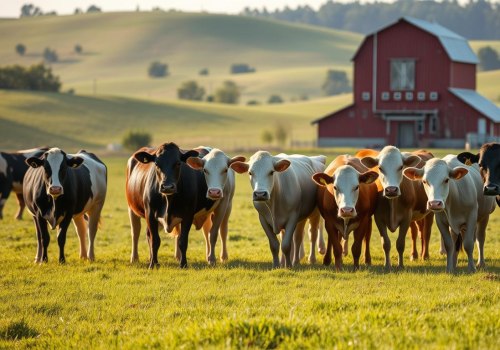
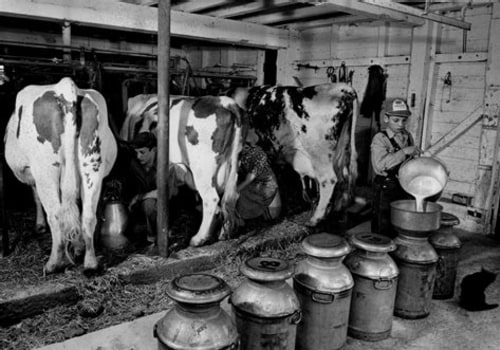
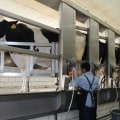
Dairy farming plays a crucial role in bolstering local economies, serving as a backbone for many rural communities across the United States. By providing stable employment opportunities, dairy farms not only support their own operations but also create a ripple effect that benefits various sectors within the community. From farmhands to processing plant workers, the jobs generated by dairy farming are essential for maintaining economic vitality in these areas. Moreover, dairy farms contribute significantly to local supply chains. They often source feed, equipment, and services from nearby businesses, fostering a network of interdependence that strengthens the local economy.
This interconnectedness ensures that money spent on dairy products circulates within the community, enhancing overall economic stability. As dairy farmers invest in their operations, they also invest in their communities, supporting local schools, healthcare facilities, and infrastructure projects. The economic impact of dairy farms extends beyond immediate job creation and local purchasing. By participating in community events and initiatives, dairy farmers often engage with residents to promote awareness about sustainable practices and healthy eating. This not only enriches community life but also cultivates a sense of pride and ownership among residents regarding their local agricultural heritage.
In essence, the contributions of dairy farming to local economies are multifaceted, encompassing job creation, support for local businesses, and active community involvement.
Community Engagement Initiatives by Dairy Farms
Dairy farms play a vital role in their local communities, not just through the production of milk and dairy products, but also by engaging in various community engagement initiatives. These initiatives foster relationships between farmers and residents, promoting a sense of community and shared responsibility.One of the most impactful ways dairy farms give back is through educational programs. Many farms offer school tours that allow students to learn about the dairy production process, animal care, and sustainable farming practices. These tours often include hands-on activities, such as milking demonstrations and feeding calves, which help children understand where their food comes from and the importance of agriculture.In addition to educational tours, dairy farms frequently host community events.These can range from open house days to seasonal festivals celebrating local produce. Such events not only provide entertainment but also create opportunities for local businesses to showcase their products, fostering a spirit of collaboration within the community.Partnerships with local organizations are another significant aspect of dairy farm initiatives. Many farms collaborate with schools, non-profits, and health organizations to promote nutrition education and healthy eating habits. For instance, some dairy farms participate in programs that provide fresh milk to food banks or schools in need, ensuring that all community members have access to nutritious options.Furthermore, dairy farms often engage in environmental stewardship projects that benefit the local ecosystem.
This includes initiatives like planting trees, maintaining water quality, and promoting biodiversity on their lands. By taking care of the environment, dairy farmers not only enhance their own operations but also contribute positively to the community's natural resources.In summary, through educational programs, community events, partnerships with local organizations, and environmental stewardship efforts, dairy farms actively engage with their communities. These initiatives not only strengthen community ties but also highlight the essential role that dairy farming plays in supporting local economies and fostering a sustainable future.
Sustainability Practices and Environmental Stewardship
Dairy farming has evolved significantly over the years, with many farms adopting sustainability practices that not only enhance their productivity but also contribute positively to the environment and local communities. These practices are essential in addressing the growing consumer demand for eco-friendly products and ensuring the long-term viability of dairy farming.One of the primary ways dairy farms demonstrate environmental stewardship is through responsible land management.Many farms implement crop rotation and cover cropping techniques to improve soil health and reduce erosion. This not only enhances the quality of the land but also helps in sequestering carbon, thus playing a role in combating climate change.Additionally, dairy farms are increasingly investing in renewable energy sources. For instance, some farms utilize solar panels or wind turbines to power their operations, significantly reducing their carbon footprint. This shift not only lowers energy costs but also sets a positive example for the community regarding sustainable energy use.
- Water Conservation: Dairy farms often employ advanced irrigation techniques and water recycling systems to minimize water waste.
By using precision irrigation, they ensure that crops receive the right amount of water without overuse.
- Waste Management: Many dairy operations have adopted anaerobic digesters that convert manure into biogas, which can be used for heating or electricity. This process reduces methane emissions and provides a renewable energy source.
- Biodiversity Initiatives: Some farms engage in practices that promote biodiversity, such as maintaining hedgerows and planting native species. These efforts help support local wildlife and create a healthier ecosystem.
These efforts reflect a commitment to environmental stewardship that resonates with consumers who prioritize sustainability in their purchasing decisions.
Supporting Local Charities and Nonprofits
Dairy farms play a crucial role in their communities, often extending their impact beyond agricultural production. One of the most significant ways they contribute is through supporting local charities and nonprofits. This commitment not only strengthens community ties but also fosters a culture of giving and support.Many dairy farms engage in charity support by donating a portion of their profits or products to local food banks, shelters, and health organizations. These donations can include milk, cheese, and other dairy products that are essential for nutrition but may be lacking in low-income households.By providing these resources, dairy farmers help ensure that families in need have access to healthy food options.In addition to product donations, dairy farms often participate in sponsorships for local events such as fairs, sports teams, and educational programs. These sponsorships not only promote the farm's brand but also enhance community engagement. For instance, sponsoring a local 4-H club can help youth learn about agriculture while fostering a sense of responsibility and teamwork.Moreover, many dairy farmers encourage their employees to volunteer with local nonprofits. This can take the form of organized volunteer days where farm staff assist with community clean-ups, food drives, or fundraising events.
Such initiatives not only benefit the organizations involved but also build camaraderie among employees and instill a sense of pride in their work.Through these various forms of community donations and support, dairy farms demonstrate their commitment to being good neighbors and active participants in the well-being of their local areas. This philanthropic spirit not only enhances the reputation of dairy farming but also reinforces the vital role that agriculture plays in sustaining vibrant communities.
Health and Nutrition Education Programs
Dairy farms play a crucial role in promoting health and nutrition education within their local communities. By engaging in various initiatives, these farms help to raise awareness about the importance of dairy products in a balanced diet, while also addressing broader health issues.One of the primary ways dairy farms contribute is through workshops and seminars aimed at educating families about nutrition. These events often cover topics such as:- The nutritional benefits of dairy, including calcium, protein, and vitamins essential for growth and development.
- Healthy eating habits that incorporate dairy into daily meals.
- Cooking demonstrations that showcase how to prepare nutritious meals using dairy products.
These programs often include:
- Farm tours, where students can learn about the dairy farming process and the importance of sustainable practices.
- Interactive lessons that teach children about food sources and the role of dairy in their diets.
- School lunch initiatives, which promote the inclusion of milk and other dairy products in school meals.
- Nutritional counseling for families in need, providing resources and guidance on healthy eating.
- Health fairs, where dairy farmers can share information about their products and offer samples to promote healthy choices.
- Community outreach programs, focusing on specific health issues such as childhood obesity or diabetes prevention.
Local Food Systems and Farm-to-Table Initiatives
Dairy farms play a crucial role in enhancing local food systems by actively participating in farm-to-table initiatives. These initiatives not only promote the consumption of fresh, locally sourced dairy products but also strengthen the bond between farmers and their communities.One of the most significant ways dairy farms contribute is through partnerships with local restaurants and markets.By supplying fresh milk, cheese, and yogurt directly to these establishments, dairy farmers help ensure that consumers have access to high-quality products that are often produced within a few miles of their homes. This not only supports local economies but also reduces the carbon footprint associated with transporting food over long distances.Additionally, many dairy farms engage in community-supported agriculture (CSA) programs. In these programs, consumers can purchase shares of the farm's produce, which often includes dairy products. This model fosters a direct relationship between farmers and consumers, allowing community members to feel more connected to their food sources.Moreover, dairy farms often participate in local food festivals and farmers' markets, where they can showcase their products and educate the public about the benefits of local dairy farming.
These events provide an opportunity for farmers to share their stories, discuss sustainable practices, and promote the nutritional value of dairy products.In addition to direct sales, some dairy farms also engage in educational outreach programs. They may host school tours or workshops that teach children and adults about the importance of sustainable agriculture, animal welfare, and healthy eating habits. By fostering a greater understanding of where food comes from, these initiatives help cultivate a culture of appreciation for local agriculture.In summary, through farm-to-table initiatives, partnerships with local businesses, community-supported agriculture programs, participation in food festivals, and educational outreach, dairy farms significantly contribute to strengthening local food systems. Their efforts not only benefit the economy but also promote healthier eating habits and a deeper connection between communities and their food sources.
FAQs About Dairy Farming and Community Contributions
When it comes to dairy farming, many people wonder how these farms contribute to their local communities.Here are some frequently asked questions that shed light on this important topic:
How do dairy farms support local economies?
Dairy farms play a crucial role in boosting local economies by:- Creating jobs: Dairy farms employ a significant number of people, from farmhands to administrative staff, contributing to local employment rates.
- Purchasing local goods: Many dairy farms source feed, equipment, and supplies from local businesses, which helps keep money circulating within the community.
- Investing in infrastructure: Dairy farms often invest in local infrastructure, such as roads and utilities, which benefits the entire community.
What community programs do dairy farms participate in?
Dairy farms often engage in various community programs, including:- Educational initiatives: Many dairy farmers host school tours and educational programs to teach children about agriculture and nutrition.
- Food donations: Dairy farms frequently donate milk and other dairy products to local food banks and shelters, helping to combat food insecurity.
- Sponsorships: Farms often sponsor local events, sports teams, and fairs, fostering community spirit and engagement.
How do dairy farmers promote sustainability?
Sustainability is a key focus for many dairy farmers, who contribute to their communities by:- Implementing eco-friendly practices: Many farms adopt sustainable practices that reduce waste and conserve resources, benefiting the environment.
- Supporting local conservation efforts: Dairy farmers often collaborate with environmental organizations to protect local ecosystems.
Conclusion: The Lasting Impact of Dairy Farms on Communities
In conclusion, dairy farming plays a pivotal role in enriching local communities through various initiatives that foster connection, support, and sustainability. The contributions of dairy farms extend far beyond the production of milk and cheese; they are integral to the social and economic fabric of their regions. Throughout this article, we explored several key ways in which dairy farms give back:- Community Engagement: Many dairy farms actively participate in local events, sponsor youth sports teams, and host open houses that invite the public to learn about farming practices.
- Educational Programs: By partnering with schools and educational organizations, dairy farms provide valuable resources and hands-on learning experiences that promote agricultural literacy among students.
- Support for Local Economies: Dairy farms create jobs not only on the farm but also in related industries such as transportation, processing, and retail, thereby boosting the local economy.
- Sustainability Initiatives: Many dairy farmers implement environmentally friendly practices that benefit the community by preserving natural resources and promoting a healthier ecosystem.