Dairy farming is a vital component of the agricultural landscape in the United States, contributing significantly to the economy and food supply. However, operating a dairy farm involves navigating a complex web of regulations and laws that govern various aspects of the industry. Understanding these dairy farming regulations is crucial for farmers, as compliance not only ensures the sustainability of their operations but also protects public health and the environment. The regulatory framework surrounding dairy farming encompasses a range of issues, from animal welfare and food safety to environmental protection and labor laws. Federal, state, and local governments all play a role in establishing these regulations, which can vary significantly depending on the region.
For instance, some states may have stricter guidelines regarding waste management practices or milk quality standards, making it essential for dairy farmers to stay informed about the specific laws governing their operations. Moreover, compliance with these regulations can have far-reaching implications for dairy farmers. Non-compliance can lead to hefty fines, legal challenges, and even the loss of licenses to operate. Therefore, understanding the intricacies of dairy farming compliance is not just a matter of legal obligation; it is also a key factor in maintaining a successful and reputable dairy business. As we delve deeper into this topic, we will explore the various regulations that impact dairy farming and provide insights into how farmers can effectively navigate this complex landscape.
Federal Regulations Impacting Dairy Farming
Dairy farming in the United States is subject to a variety of federal regulations that ensure the safety, quality, and sustainability of dairy products.The primary federal agencies involved in regulating dairy farming are the United States Department of Agriculture (USDA) and the Food and Drug Administration (FDA).
USDA Regulations
- Milk Quality Standards: The USDA sets stringent standards for milk quality, which include regulations on pasteurization, bacterial counts, and somatic cell counts. These standards are crucial for ensuring that milk is safe for consumption.
- Animal Welfare: The USDA also enforces regulations related to animal welfare, which dictate how dairy cows should be housed, fed, and cared for. Compliance with these regulations is essential for maintaining the health of the herd and the quality of milk produced.
- Dairy Product Labeling: The USDA oversees labeling requirements for dairy products, ensuring that consumers receive accurate information about what they are purchasing. This includes nutritional information and any claims made about the product.
FDA Regulations
- Food Safety Modernization Act (FSMA): Under FSMA, dairy farms must implement preventive controls to minimize food safety risks.
This includes monitoring practices that could lead to contamination of milk.
- Drug Residue Testing: The FDA mandates testing for drug residues in milk to ensure that no harmful substances are present. Dairy farmers must adhere to withdrawal times for any medications administered to their cows.
- Labeling and Health Claims: The FDA regulates health claims made on dairy product labels, ensuring that they are not misleading and are supported by scientific evidence.
State-Specific Dairy Farming Laws
Dairy farming in the United States is subject to a complex web of state-specific regulations that can significantly impact operations. Each state has its own set of laws governing various aspects of dairy farming, including licensing, health standards, and environmental protections.Licensing Requirements
- Most states require dairy farmers to obtain specific licenses to operate legally.
These licenses often involve inspections and compliance with local health regulations.
- For example, California mandates that all dairy farms register with the California Department of Food and Agriculture (CDFA) and adhere to stringent quality control measures.
- Health standards for dairy farming can vary widely. States like Wisconsin have rigorous testing protocols for milk quality, ensuring that products meet safety standards before reaching consumers.
- Farmers must also comply with regulations regarding animal welfare, which can include guidelines on housing, feeding, and veterinary care.
- Environmental laws are another critical area where state regulations differ. Many states have implemented rules to manage waste disposal from dairy operations to prevent water contamination.
- For instance, New York has specific requirements for nutrient management plans that dairy farmers must follow to minimize runoff into nearby water bodies.
Environmental Regulations Affecting Dairy Farms
Dairy farming in the United States is subject to a variety of environmental regulations designed to protect natural resources and public health.These regulations primarily focus on waste management practices and water quality standards, which are critical for sustainable dairy operations.
Waste Management Regulations
- The Environmental Protection Agency (EPA) oversees the management of agricultural waste, including manure from dairy farms. Farmers must adhere to the Nutrient Management Plan, which outlines how to handle and apply manure to minimize environmental impact.
- Many states have implemented their own regulations that require dairy farms to develop comprehensive waste management systems. These systems must ensure that waste is stored, treated, and disposed of in a manner that prevents contamination of soil and water sources.
Water Quality Regulations
- Dairy farms are often located near water bodies, making it essential to comply with water quality regulations. The Clean Water Act mandates that any discharge of pollutants into navigable waters must be permitted, which includes runoff from dairy operations.
- Farmers are required to implement best management practices (BMPs) to reduce runoff and protect water quality.
This may include creating buffer zones, using cover crops, and installing sediment control structures.
Animal Welfare Standards in Dairy Farming
Animal welfare is a critical aspect of dairy farming in the United States, governed by a combination of federal and state regulations, as well as industry standards. These regulations are designed to ensure the humane treatment of dairy cows, recognizing their needs for proper care, nutrition, and living conditions.One of the primary frameworks for animal welfare in dairy farming is the Animal Welfare Act (AWA), which sets minimum standards for the treatment of animals in various agricultural settings. Although the AWA does not specifically cover all aspects of dairy farming, it provides a foundation for humane treatment practices.In addition to federal laws, many states have enacted their own regulations that address specific welfare concerns.For instance, some states require that dairy cows have access to outdoor spaces, allowing them to engage in natural behaviors. This is crucial for their physical and mental well-being.
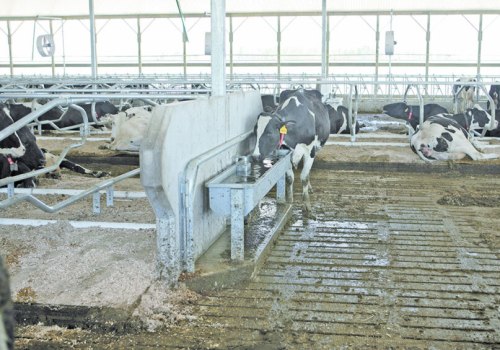
- Housing Standards: Dairy farms must provide adequate shelter that protects cows from extreme weather conditions. Proper ventilation and space are essential to prevent overcrowding and stress.
- Nutrition: A balanced diet is vital for the health of dairy cows. Regulations often stipulate that farmers must provide sufficient feed and clean water to maintain optimal health.
- Veterinary Care: Regular health checks and prompt veterinary attention are mandated to ensure that any illness or injury is addressed swiftly.
Practices such as low-stress handling techniques are encouraged to minimize fear and anxiety among the animals. Furthermore, many dairy farms voluntarily adhere to third-party animal welfare certification programs, which set higher standards than those required by law.As consumer awareness regarding animal rights in agriculture continues to grow, many dairy farmers are adopting more transparent practices. This includes providing information about their animal welfare policies and engaging with consumers about how they care for their livestock. By prioritizing animal welfare, dairy farmers not only comply with regulations but also contribute to a more ethical food system.
Labor Laws Relevant to Dairy Farming
Labor laws play a crucial role in ensuring fair treatment and safe working conditions for employees in the dairy farming industry.These regulations are designed to protect the rights of workers while also addressing the unique challenges faced by agricultural operations.
Wage Standards
- The Fair Labor Standards Act (FLSA) sets minimum wage and overtime pay requirements for agricultural workers, including those on dairy farms. While some exemptions apply, most dairy farm employees are entitled to at least the federal minimum wage.
- State laws may also impose higher minimum wage standards, which dairy farmers must comply with to avoid legal repercussions.
Working Conditions
- Dairy farms must adhere to Occupational Safety and Health Administration (OSHA) regulations, which mandate safe working environments. This includes proper training for handling machinery, chemicals, and livestock.
- Employers are required to provide necessary safety equipment and ensure that workers are aware of potential hazards associated with dairy farming.
Worker Rights in Agriculture
- Workers have the right to organize and form unions under the National Labor Relations Act (NLRA). This allows dairy farm employees to negotiate better wages and working conditions collectively.
- Anti-discrimination laws protect workers from unfair treatment based on race, gender, or nationality, ensuring a more equitable workplace.
Compliance not only fosters a safer work environment but also promotes fair labor practices that benefit the entire agricultural community.
Common Compliance Challenges for Dairy Farmers
Dairy farming in the United States is subject to a myriad of regulations that can pose significant compliance challenges for farmers. These challenges often stem from the complex web of federal, state, and local laws that govern various aspects of dairy production, from animal welfare to environmental protection.One of the primary regulatory hurdles faced by dairy farmers is adhering to environmental regulations. The Environmental Protection Agency (EPA) enforces rules regarding waste management and water quality, which require farmers to implement specific practices to minimize pollution. Failure to comply can result in hefty fines and legal repercussions.Additionally, dairy farmers must navigate food safety regulations set forth by the Food and Drug Administration (FDA).These regulations dictate everything from milk pasteurization processes to the use of antibiotics in livestock. Ensuring compliance with these standards is crucial not only for legal reasons but also for maintaining consumer trust.
Labor laws
also present a significant challenge. Dairy farms often rely on seasonal labor, and understanding the intricacies of labor regulations—including wage laws, worker safety, and immigration policies—can be daunting. Non-compliance can lead to lawsuits and damage to a farm's reputation.To overcome these obstacles, dairy farmers can take several proactive steps:
- Stay Informed: Regularly update knowledge on local, state, and federal regulations through workshops and industry associations.
- Consult Experts: Engage with legal and compliance experts who specialize in agricultural law to ensure all practices meet regulatory standards.
- Implement Best Practices: Adopt industry best practices for waste management, animal care, and food safety to streamline compliance efforts.
- Utilize Technology: Leverage technology for record-keeping and monitoring compliance with environmental and safety standards.
Future Trends in Dairy Farming Regulations
As the dairy industry continues to evolve, future trends in dairy farming regulations are likely to reflect broader societal shifts, technological advancements, and environmental concerns.Farmers must stay informed about these potential changes to adapt their practices accordingly.One significant trend is the increasing emphasis on sustainability. Regulatory bodies are expected to implement stricter guidelines aimed at reducing the environmental impact of dairy farming. This may include regulations on greenhouse gas emissions, water usage, and waste management. Farmers who proactively adopt sustainable practices may not only comply with future regulations but also enhance their marketability.Another area of focus is animal welfare.
As consumer awareness grows, there is a push for more humane treatment of livestock. Upcoming changes in dairy laws may require farmers to adhere to higher standards of care, including better living conditions and health monitoring for dairy cows. Embracing these practices early can position farmers as leaders in ethical dairy production.Technological advancements will also play a crucial role in shaping future regulations. Innovations such as precision agriculture and data analytics can help farmers optimize their operations while meeting regulatory requirements.
For instance, using technology to monitor herd health can lead to improved compliance with animal welfare standards.Moreover, trends in agricultural policy indicate a potential shift towards more localized regulations that consider regional environmental conditions and community needs. This could mean that dairy farmers will need to engage more with local governments and stakeholders to ensure their practices align with evolving policies.In conclusion, staying ahead of these trends will require dairy farmers to be proactive in their approach. By investing in sustainable practices, prioritizing animal welfare, and leveraging technology, they can not only comply with future regulations but also thrive in an increasingly competitive market.
FAQs About Dairy Farming Regulations
Understanding the regulations and laws governing dairy farming is crucial for both new and established farmers. Here are some frequently asked questions that can help clarify common concerns:What are the main federal regulations affecting dairy farming?
The primary federal regulations include the Federal Milk Marketing Order (FMMO) system, which governs the pricing and marketing of milk.Additionally, the Food and Drug Administration (FDA) sets standards for milk quality and safety, including pasteurization requirements.
Are there state-specific laws for dairy farmers?
Yes, each state has its own set of regulations that may include licensing requirements, animal welfare standards, and environmental protections. It’s essential for dairy farmers to familiarize themselves with their state’s specific laws to ensure compliance.What environmental regulations should dairy farmers be aware of?
- Clean Water Act: This act regulates discharges of pollutants into U.S. waters and requires dairy farms to manage runoff effectively.
- Resource Conservation and Recovery Act: This law governs the disposal of hazardous waste, which can include certain agricultural chemicals used in dairy farming.
- Air Quality Regulations: Dairy farms must also comply with local air quality standards, particularly concerning emissions from manure management.
How do labor laws impact dairy farming?
Dairy farmers must adhere to federal and state labor laws, which cover minimum wage, overtime pay, and working conditions. The Fair Labor Standards Act (FLSA) is particularly relevant as it sets standards for wage and hour laws applicable to agricultural workers.What are common compliance challenges faced by dairy farmers?
Dairy farmers often face challenges such as keeping up with changing regulations, managing record-keeping requirements, and ensuring that all practices meet both state and federal standards.Regular training and consultation with legal experts can help mitigate these challenges.By staying informed about these regulations, dairy farmers can not only ensure compliance but also promote sustainable practices that benefit their operations and the environment.
Conclusion: Navigating Dairy Farming Regulations Successfully
In conclusion, navigating the complex landscape of dairy farming regulations is essential for both compliance and success in the industry. Throughout this article, we have explored various laws and regulations that govern dairy farming in the United States, highlighting their significance in ensuring food safety, animal welfare, and environmental protection. Understanding these regulations not only helps farmers avoid legal pitfalls but also enhances their operational efficiency. Here are some key takeaways:- Food Safety Regulations: Compliance with the FDA's standards is crucial for maintaining product quality and consumer trust.
- Animal Welfare Standards: Adhering to guidelines set by organizations such as the USDA ensures ethical treatment of livestock, which can positively impact farm reputation.
- Environmental Regulations: Awareness of local and federal environmental laws helps mitigate risks associated with waste management and land use.
Engaging with local agricultural extension services, attending industry conferences, and participating in farmer cooperatives can provide valuable insights into regulatory updates. Ultimately, successful dairy farming hinges on a proactive approach to understanding and implementing these regulations. By prioritizing compliance and ethical practices, dairy farmers can not only safeguard their operations but also contribute to a sustainable future for the industry.